

Teotihuacan is an ancient Mesoamerican city located in the central highlands of Mexico. Flourishing between the 1st and 7th centuries CE, it is renowned for its monumental architecture and significant cultural influence. The city is characterized by its impressive pyramids, including the Pyramid of the Sun and the Pyramid of the Moon, as well as its well-planned layout with wide avenues and multi-story residential complexes.
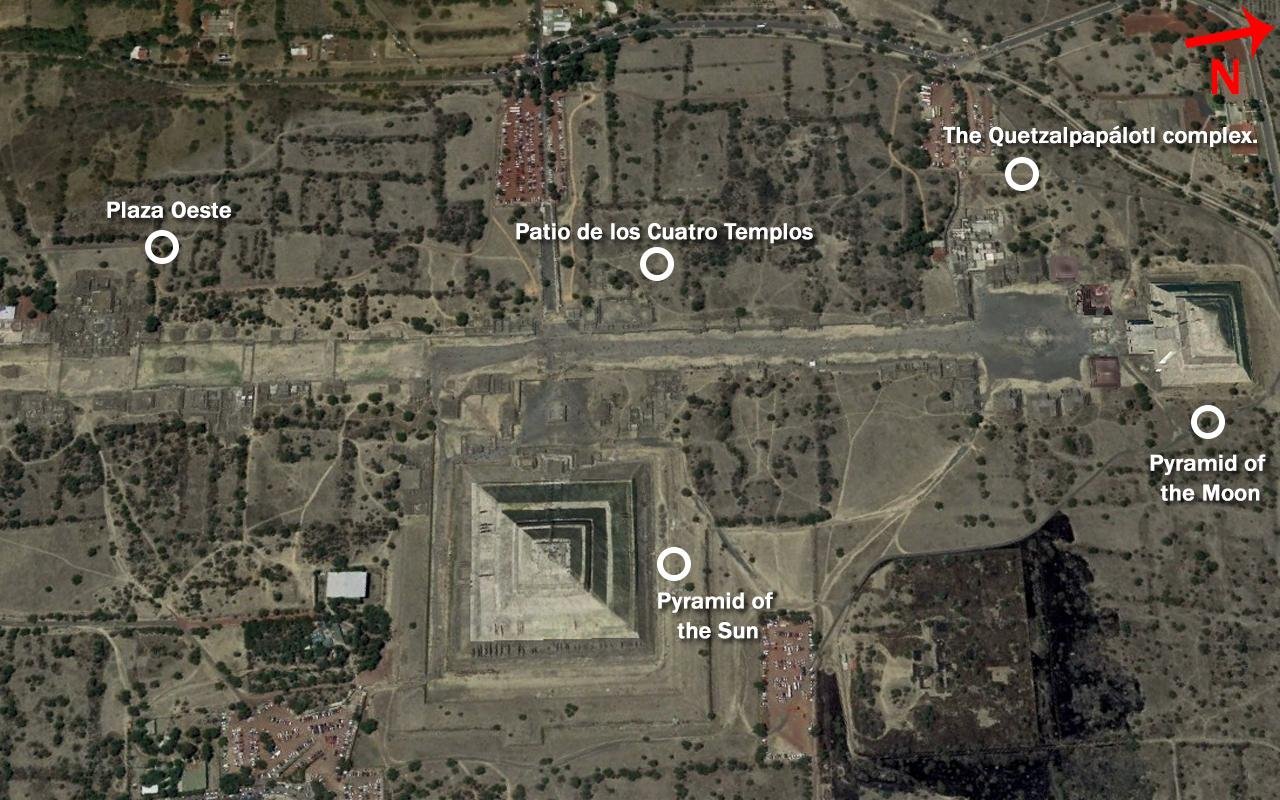 Teotihuacan was a bustling urban center and a hub for trade, art, and religious practices, likely inhabited by a diverse population. Its exact origins and the identity of its builders remain a subject of scholarly debate, but it had a profound impact on subsequent Mesoamerican civilizations and continues to be a UNESCO World Heritage Site and a site of archaeological significance.



Disclaimer: This website is a science-focused magazine that welcomes both academic and non-academic audiences. Comments are written by users and may include personal opinions or unverified claims. They do not necessarily reflect the views of our editorial team or rely on scientific evidence.
Comment Policy: We kindly ask all commenters to engage respectfully. Comments that contain offensive, insulting, degrading, discriminatory, or racist content will be automatically removed.