
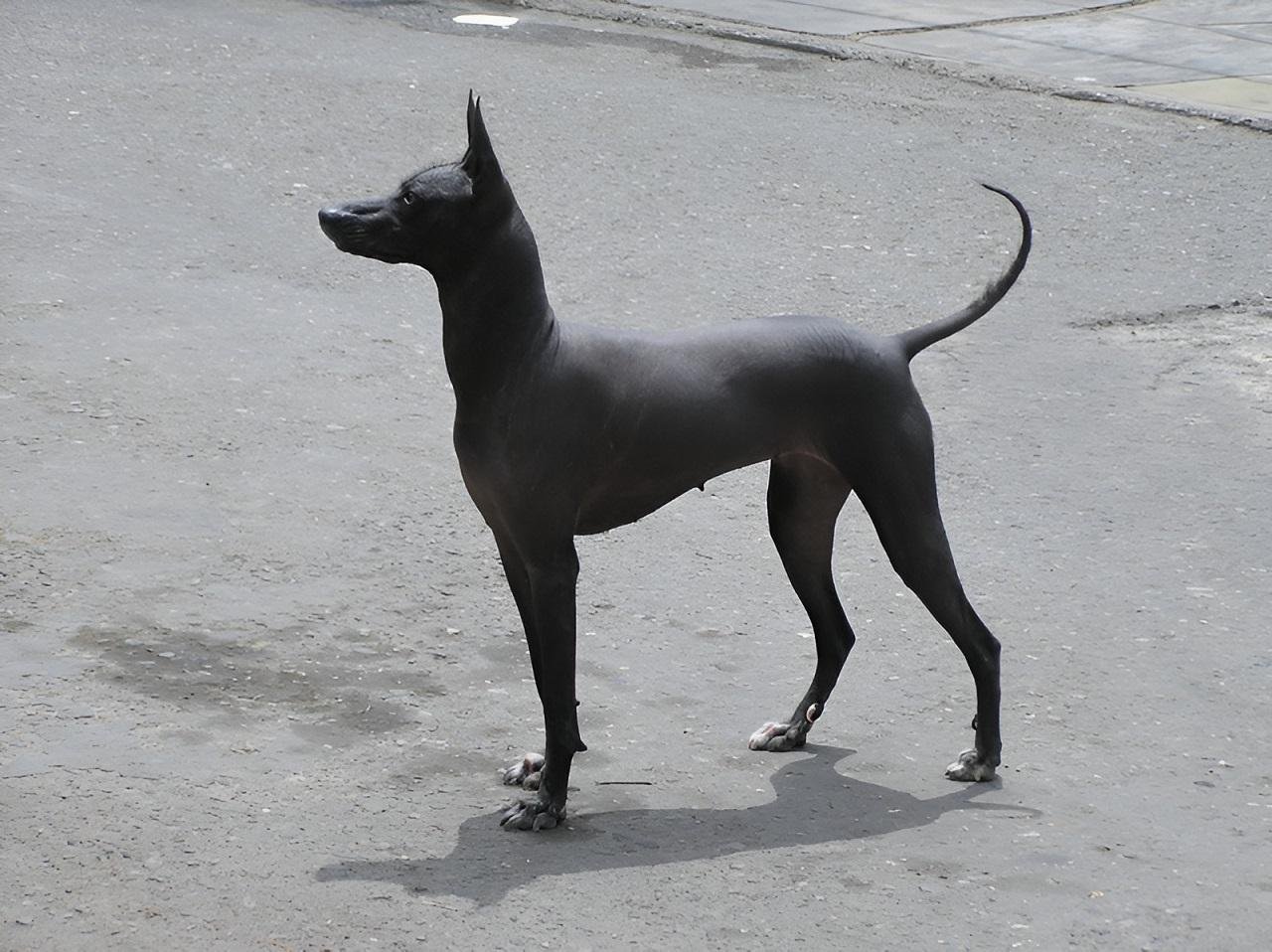
Peruvian hairless dogs lived beside people at a major Wari Empire settlement on Peru’s northern coast more than 1,200 years ago, according to a study published in the Journal of Anthropological Archaeology. The research gives the first physical evidence of these dogs at Castillo de Huarmey, a large ceremonial and funerary center built between 600 and 1050 CE, long before the Inca Empire rose to power.
Castillo de Huarmey lies about 190 miles north of Lima. Archaeologists have worked at the site for years and uncovered elite tombs, human sacrifices, metalworking tools, textiles, and thousands of artifacts linked to the Wari state. The desert climate helped preserve organic material such as skin, hair, leather, and bone.
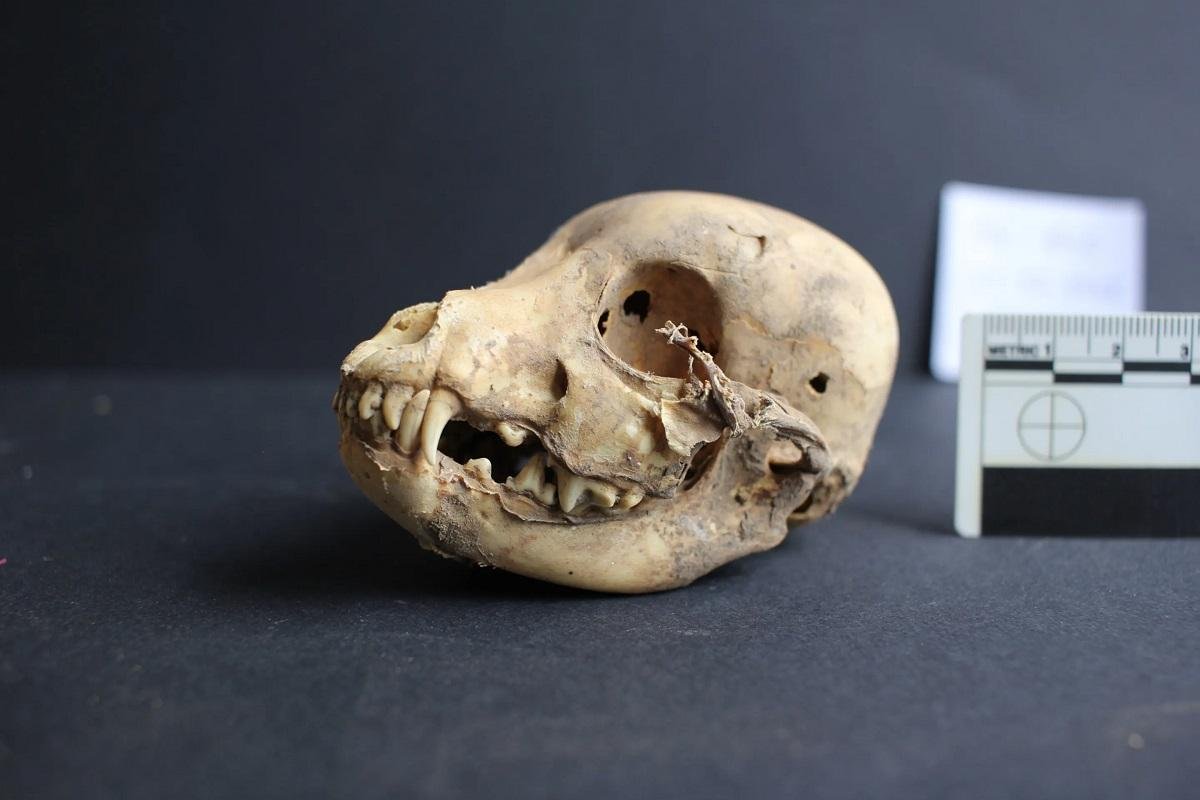
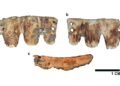
Researchers recovered 341 dog bone specimens linked to at least 19 animals. Among them stood three dogs identified as likely Peruvian hairless dogs, a native breed known today as the Peruvian Inca Orchid. One naturally mummified skull still held patches of bare skin and attached ears. Archaeologists found red cinnabar pigment on the skull, a material often used in ancient Peru during funerary rituals.
The team first suspected the remains belonged to modern dogs buried during looting activity in the twentieth century. A closer look changed that view. Several skulls lacked specific premolars and molars, not because the teeth fell out, but because they never formed. Modern Peruvian hairless dogs carry the same trait. The gene linked to hairlessness also affects tooth development.
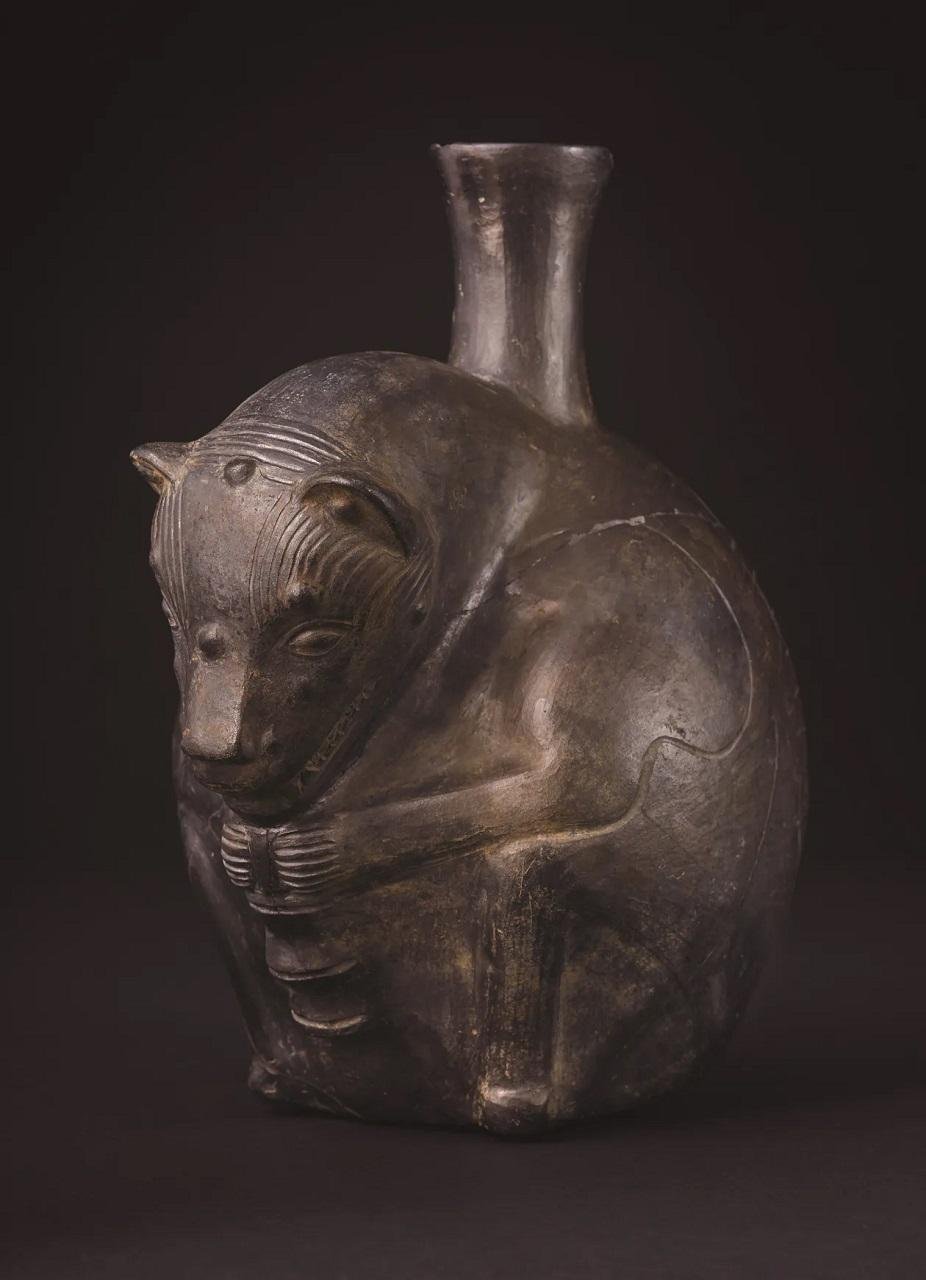
Researchers also found a ceramic vessel shaped like a seated Peruvian hairless dog. The figure held an object resembling a musical instrument. The pottery adds support to the idea that these animals held a special place in Wari society.
The study combined zooarchaeology with isotopic analysis of carbon, nitrogen, oxygen, and strontium from dog teeth and bones. These chemical signatures helped researchers study diet and movement during different periods of the animals’ lives. Tooth samples reflected early life. Bones recorded the last stage before death.
Most of the dogs appear to have lived near Castillo de Huarmey throughout their lives. Their diets varied. Many ate maize, one of the main foods in the ancient Andes. Some likely moved with llama and alpaca herds. Others survived by scavenging food waste around the settlement.
The hairless puppies showed a different feeding pattern. Their diets resembled those of human children, especially through higher intake of maize-based foods during early development. Researchers think people gave these puppies more direct care and controlled breeding practices.
Dogs held different roles after death as well. Archaeologists found some buried beside humans in ceremonial contexts. One puppy lay beside an elite craftsman known as the “Master Basketmaker.” Another partial puppy skeleton appeared near a male tomb guardian believed to have been sacrificed during a burial ritual.
Other dog remains ended up in refuse deposits. Very few bones showed cut marks linked to butchering, which suggests dog meat played a minor role at the site.
The findings show a wide range of human relationships with dogs in the ancient Andes. Some animals received ritual treatment and burial. Others lived at the edges of daily life as scavengers. The study also points to the symbolic role of Peruvian hairless dogs within Wari culture, especially since the breed appears in Wari art more often than other domesticated animals.
More information: Tomczyk, W., Giersz, M., Więckowski, W., Pimentel Nita, R., & Ebert, C. E. (2026). The many lives of companion species: a zooarchaeological and isotopic research on Wari dog remains from Castillo de Huarmey, Peru. Journal of Anthropological Archaeology, 82(101767), 101767. doi:10.1016/j.jaa.2026.101767



Disclaimer: This website is a science-focused magazine that welcomes both academic and non-academic audiences. Comments are written by users and may include personal opinions or unverified claims. They do not necessarily reflect the views of our editorial team or rely on scientific evidence.
Comment Policy: We kindly ask all commenters to engage respectfully. Comments that contain offensive, insulting, degrading, discriminatory, or racist content will be automatically removed.