
Archaeologists working in Peru have uncovered fresh evidence of how the oldest known civilization in the Americas confronted a severe climate crisis more than four millennia ago and endured without descending into conflict, The Guardian reported. The finds come from Vichama and Peñico, two sites linked to the ancient city of Caral, a center that thrived in the Supe Valley long before the rise of the Inca, Maya, or Aztec worlds.
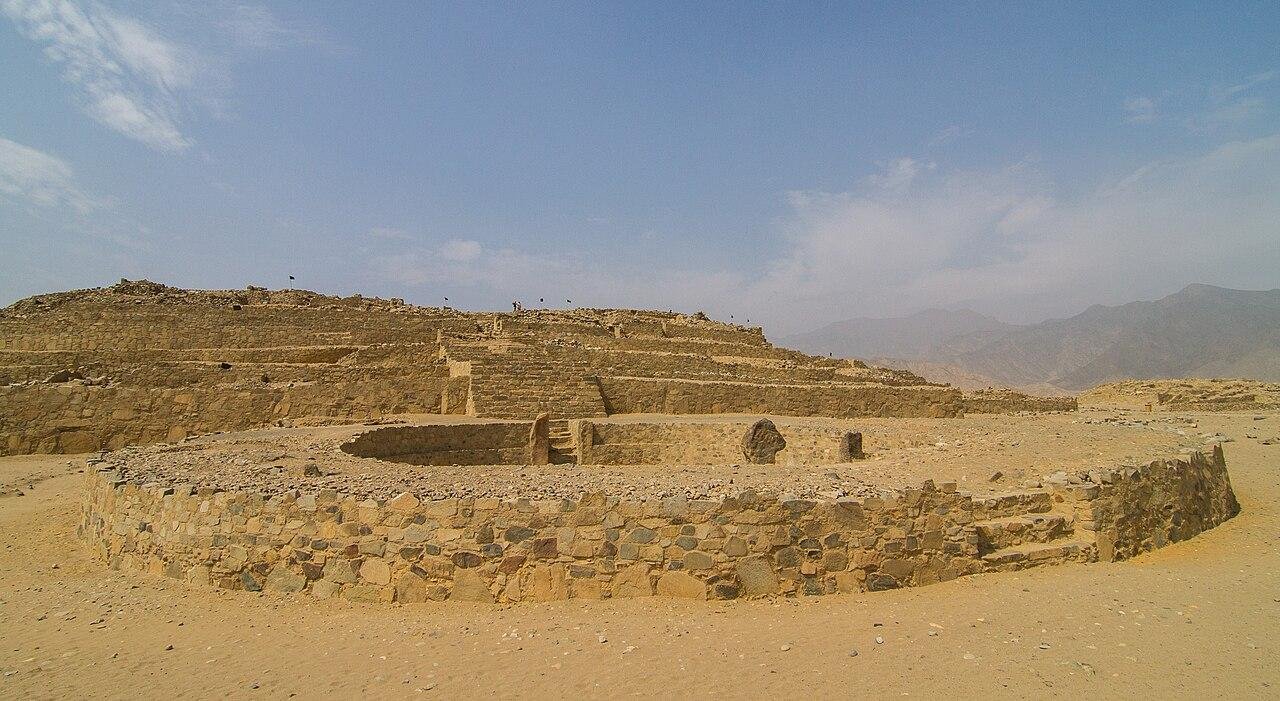
New research led by Peruvian archaeologist Ruth Shady reveals that about 4,200 years ago, a prolonged drought hit the region, disrupting agriculture and forcing the people of Caral to abandon their monumental city. But instead of collapsing, the population resettled along the coast and further inland, building new communities while carrying with them their architectural traditions, ceremonial practices, and a striking symbolic language meant to record their struggle.
At Vichama, on the Pacific coast, archaeologists discovered three-dimensional friezes carved into the walls of a temple atop a desert platform. These scenes illustrate famine and death in striking detail: skeletal bodies with sunken stomachs and visible ribs, followed by images of pregnant women, dancers, and big fish—symbols of hope connected to the return of water and food.
Higher on the wall, a toad struck by lightning emerges; this is considered a potent symbol, believed to be a signal of the arrival of long-awaited rain. Snakes, associated with water, frame yet another frieze showing the dead combined with symbols of renewal. Among the more unusual designs is a smiling, almost whimsical figure featuring both human and animal features, seen as a seed offering a promise of the rebirth of crops after the hardship.
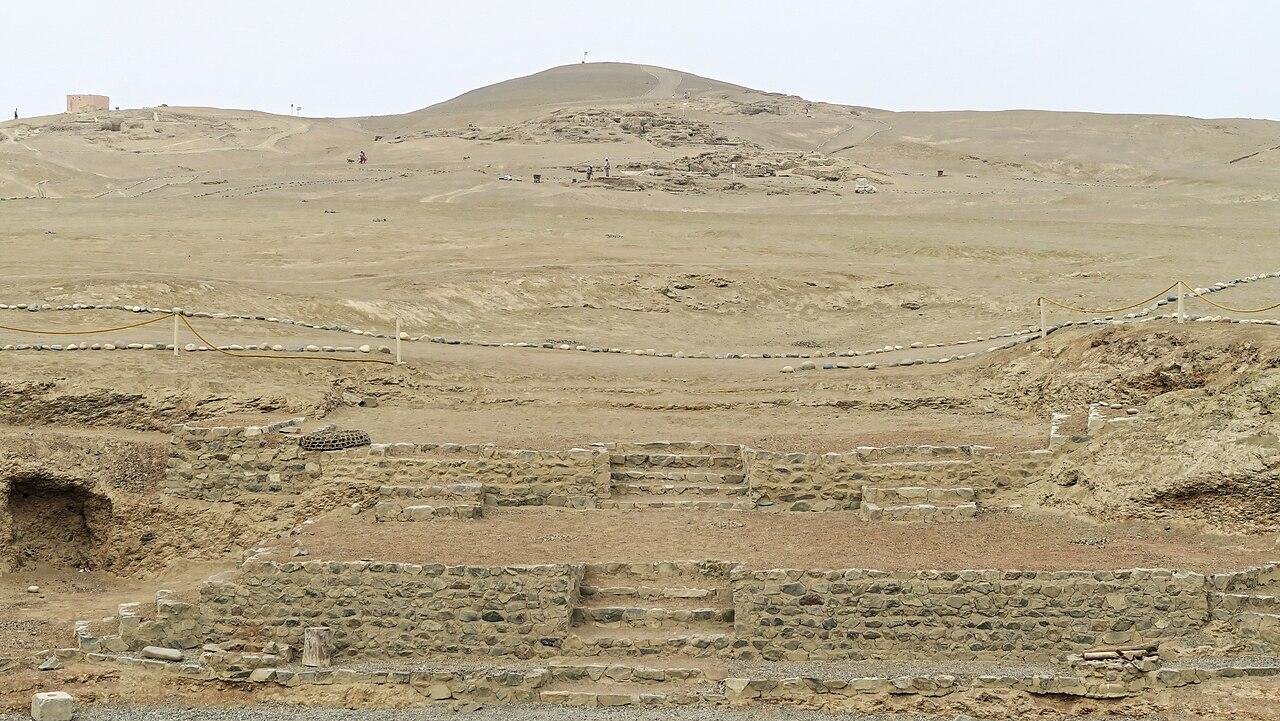
Peñico, which lies east of Caral in the Supe Valley, produced 18 structures highly similar to the monumental style of the original city, with its characteristic plaza and temple complexes. Excavations suggest a well-organized society dependent on fishing, farming, and trade networks rather than warfare. No evidence of violent conflict has been excavated, but archaeologists have found evidence of long-distance exchange: the remains of monkeys and macaws, most likely carried over the Andes from the Amazon; ceramics depicting jungle animals; and seashells brought from Ecuador’s tropical coast. Everyday life seems to have been based on open-air markets and a rich agricultural base that included sweet potatoes, maize, squash, avocados, and chili peppers.


Unfired clay figurines of men and women with painted faces and styled hair indicate a degree of gender parity in social roles. Carved reliefs depicting the pututu, an Andean conch shell trumpet still used in ceremonial contexts, appear regularly throughout the central plaza and help further reinforce themes of community identity and authority.
Although researchers believe this drought was part of the global 4.2-kiloyear climate event that also caused disruptions to the Mesopotamian and Indus Valley civilizations, the response of the Caral culture seems unique: its people adapted, migrated, and rebuilt, preserving social cohesion across new settlements rather than fragmenting through conflict.















Disclaimer: This website is a science-focused magazine that welcomes both academic and non-academic audiences. Comments are written by users and may include personal opinions or unverified claims. They do not necessarily reflect the views of our editorial team or rely on scientific evidence.
Comment Policy: We kindly ask all commenters to engage respectfully. Comments that contain offensive, insulting, degrading, discriminatory, or racist content will be automatically removed.