
Researchers at the Chankillo Archaeoastronomical Complex in Peru have discovered an ancient structure that existed before what was considered to be the oldest known observatory in the Americas: the Chankillo Solar Observatory. According to an announcement by the Peruvian Ministry of Culture, this discovery is rewriting current timelines for when astronomy first took root in the Andes.
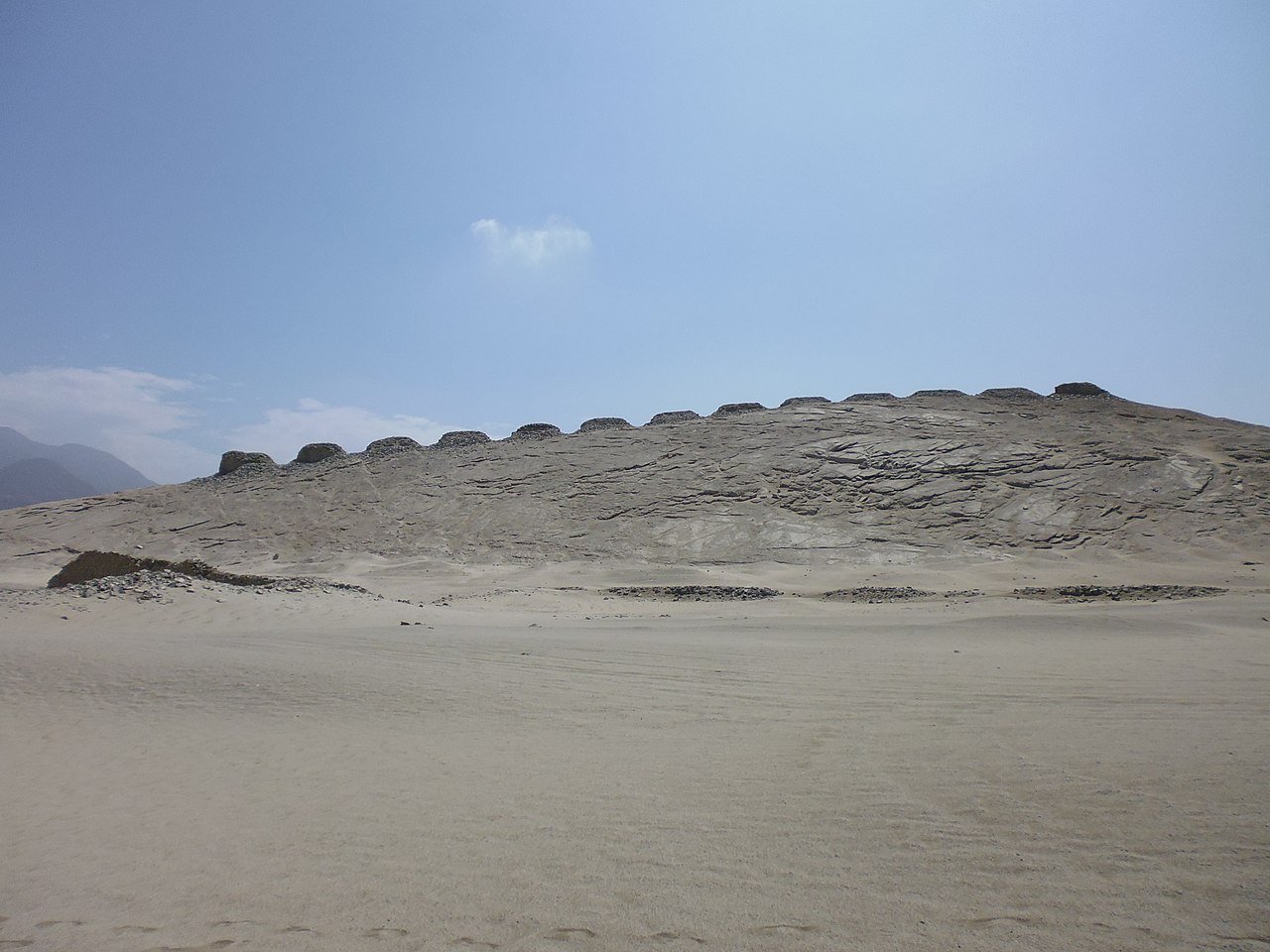
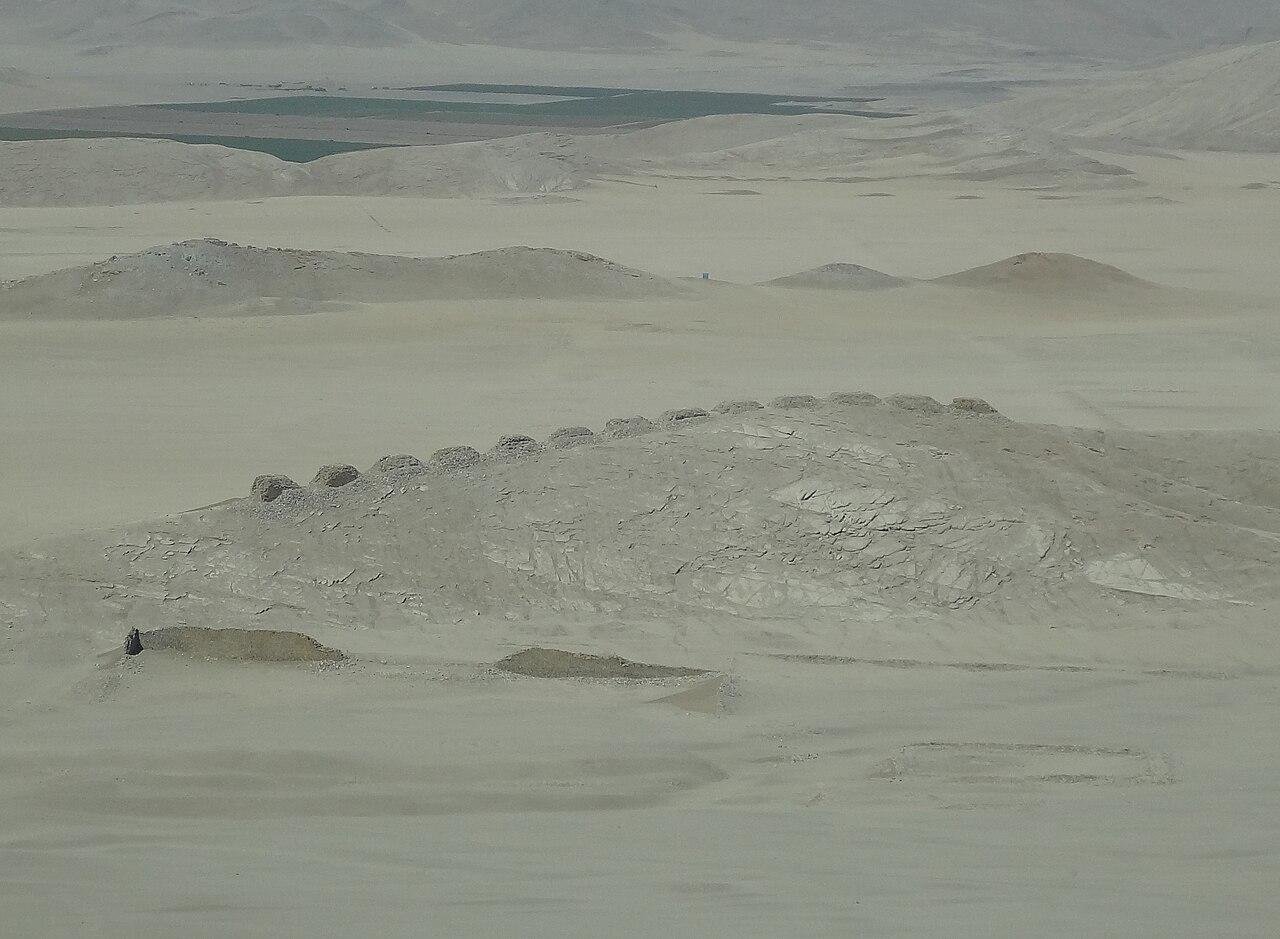
The newly discovered structure is situated in the desert landscape of the Casma River valley in the Ancash region, a particularly renowned area for its exceptionally early ceremonial and architectural traditions related to the Casma-Sechín culture. According to the archaeologists, the building has a clear solar orientation and thus appears to have been deliberately constructed for tracking celestial events. Given the construction materials used, stratigraphy, and architectural features, it is considered to be considerably older than the observatory built around 250 BCE and later included in the UNESCO World Heritage List.
Although radiocarbon dating is still in progress, this evidence suggests that organized astronomical planning emerged in this region far earlier than previously documented. The researchers say that this could also make the structure one of the earliest known examples of solar-focused architecture in the Americas and extend the roots of Andean sky-watching traditions by centuries.
Excavations also revealed a corridor aligned with the lunar cycle, an element that adds a new dimension to the site’s significance. The careful orientation suggests that ancient sky watchers at Chankillo were monitoring not only the annual movement of the sun across the horizon but also the far more complex rhythms of the moon. This dual system of sky observation suggests a sophisticated understanding of celestial patterns, and a scientific tradition deeper and more diverse than earlier archaeological records suggested.
Apart from the astronomically related discoveries, the scientists found a large ceremonial vessel of the Patazca style, about a meter tall, with clay figures of warriors in dynamic combat poses. It was found in an area of restricted access near the observatory, which might indicate that elite groups combined ritual authority, military leadership, and astronomical expertise. Its placement reinforces the idea that sky observation at Chankillo was closely linked to political power and ceremonial life.

The Ministry of Culture of Peru emphasized that this set of findings consolidates Casma’s position as one of the most important ancient centers of astronomy in the world. Restoration and conservation works continue with the purpose of preparing the Thirteen Towers, the observatory, and the surrounding structures for future public access.
More information: Ministry of Culture of Peru












Disclaimer: This website is a science-focused magazine that welcomes both academic and non-academic audiences. Comments are written by users and may include personal opinions or unverified claims. They do not necessarily reflect the views of our editorial team or rely on scientific evidence.
Comment Policy: We kindly ask all commenters to engage respectfully. Comments that contain offensive, insulting, degrading, discriminatory, or racist content will be automatically removed.
At last our ancients are recignised as early pioners in astrnomy,
Delighted always to here about great recignition done towatds our ancients our fathers of science and technology.