
A chance pass with a metal detector in central Norway has uncovered one of the country’s most intriguing Viking Age burials in recent times. The find was made at Val in Bjugn, where hobby detectorist Roy Søreng uncovered an oval brooch earlier this year, an object commonly linked to women’s clothing in the 9th century. His report brought specialists from the NTNU Science Museum and Trøndelag County Council to the site, where they quickly realized that the artifact was only the beginning of something far larger.
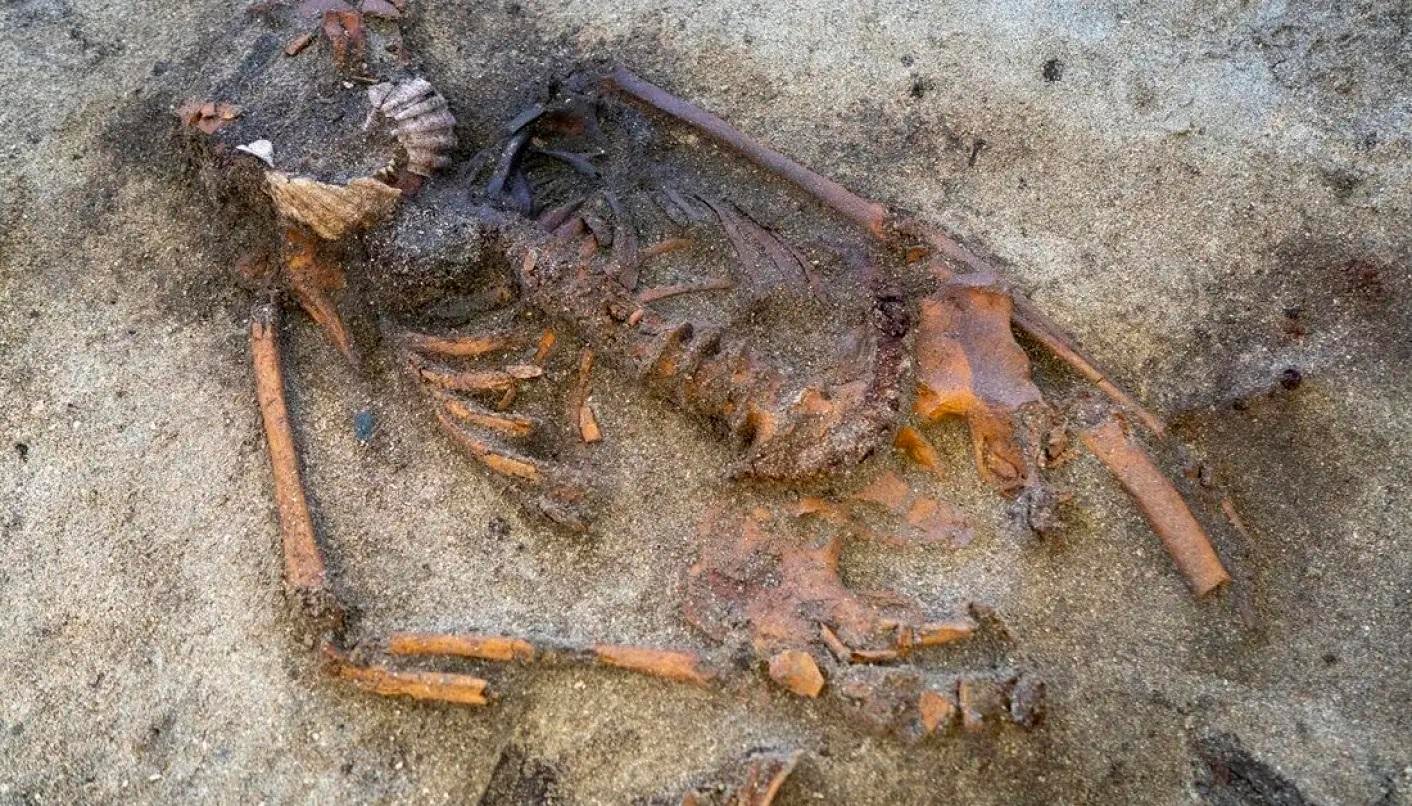
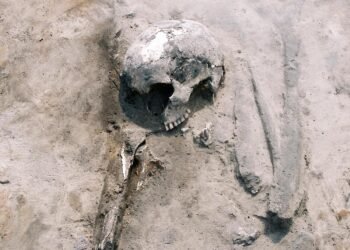
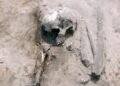
Exceedingly well preserved, beneath the soil lay the grave of a woman, dressed in classic Viking style. Two oval brooches that once held the straps of an apron dress lay at her chest, and a smaller ring brooch from her underdress sat nearby. The condition of the skeleton and the set of jewelry found there suggested that she was a free woman, probably married and perhaps an important figure on a local farm.
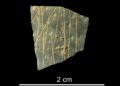
What set this burial apart from the usual pre-Christian graves, however, was a detail at the woman’s face. Two scallop shells had been placed over her mouth, positioned with their curved sides outward and their straight edges meeting like a protective cover. This ritual is undocumented in other Norwegian graves of the same period, and its meaning remains elusive to archaeologists. They also found small bird bones along the length of the grave, largely wing bones, that were carefully arranged, providing another layer of symbolism that researchers are still trying to understand.

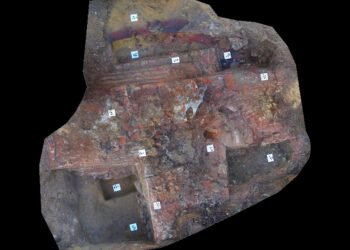
The excavation was carried out quietly and quickly, as the grave was in imminent danger of destruction from future plowing. Earlier in the same field, archaeologists found another remarkably preserved skeleton, dating to the 8th century. The proximity of the two burials implies that the area was used over several generations as an important family or communal cemetery. Upcoming DNA testing may reveal whether the individuals were related.
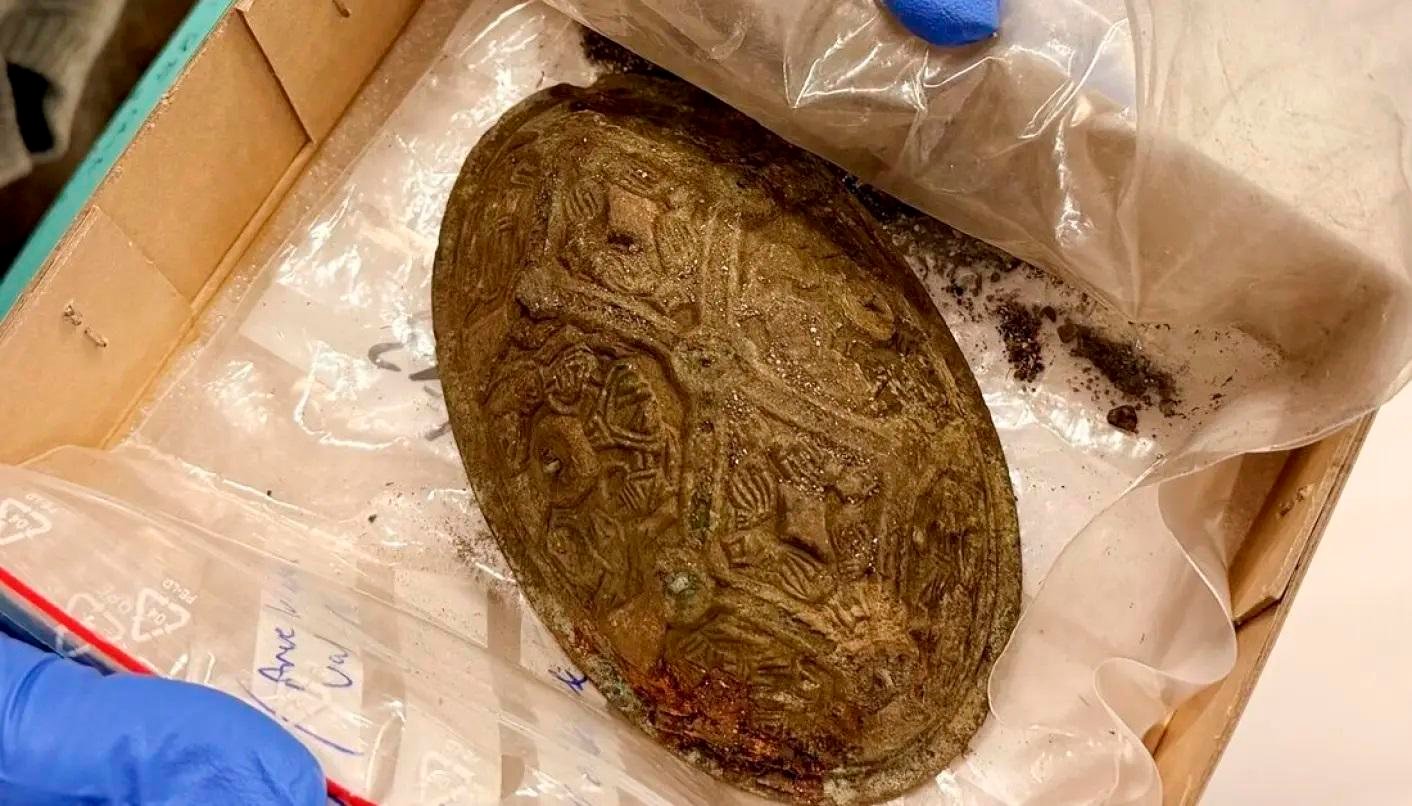
Because of the exceptional preservation, the Ministry of Cultural Heritage provided emergency funding to conduct a full rescue excavation. The funding allowed the archaeologists to document the grave in detail, recover the fragile objects, and secure bone samples before they deteriorated further. Specialists will examine the woman’s age, health, and possible causes of death, while conservators work to stabilize these delicate items.

Researchers hope that the jewelry, skeletal data, and the unusual ritual elements will help bring new insights into the lives and beliefs of rural Norway in the Viking Age. The shells may be especially indicative of practices previously unrecorded and might denote local traditions or symbolic actions that held profound meaning for the community that buried her.
More information: NTNU












Disclaimer: This website is a science-focused magazine that welcomes both academic and non-academic audiences. Comments are written by users and may include personal opinions or unverified claims. They do not necessarily reflect the views of our editorial team or rely on scientific evidence.
Comment Policy: We kindly ask all commenters to engage respectfully. Comments that contain offensive, insulting, degrading, discriminatory, or racist content will be automatically removed.
I really enjoy joy learning more if this earth THANKYOU .
Thanks