
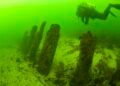
A new scientific study is now casting fresh light on one of Scandinavia’s most famous prehistoric vessels, moving researchers a significant step closer to solving the puzzle of the origin of the warriors who led a daring sea attack over 2,000 years ago. The Hjortspring boat is the oldest known preserved plank-built boat unearthed in northern Europe, found in a bog on the Danish island of Als, and is now on display at the National Museum of Denmark.
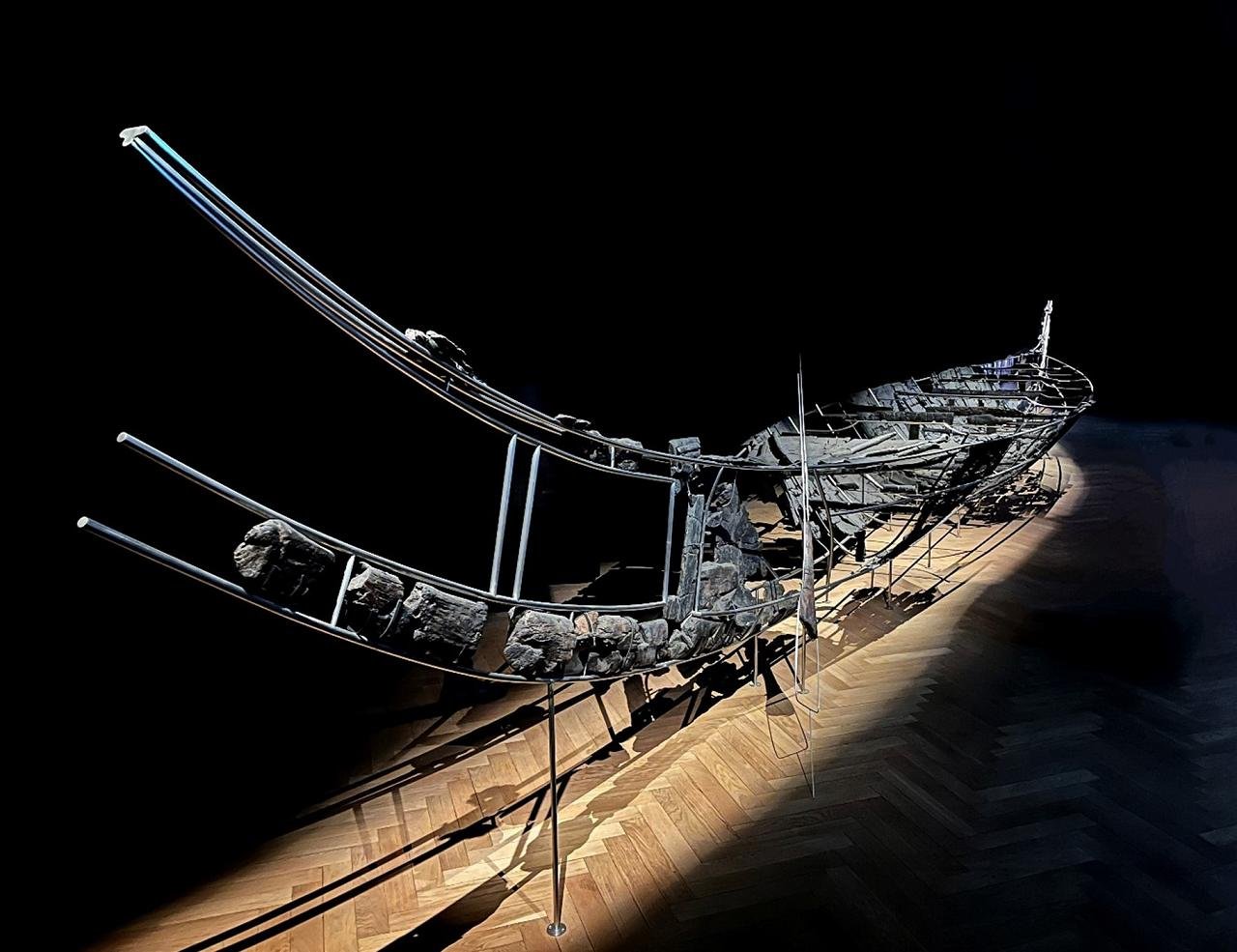
The boat was unearthed in the late 19th century and excavated in the early 1920s. Alongside the boat, there were many weapons such as swords, spears, shields, and armor that indicate a failed military attack. It is thought that a group of invaders tried to launch a raid on Als during the Pre-Roman Iron Age, were defeated by the locals, and intentionally sank the boat in the bog as a ritual offering of thanks. The attackers’ homeland, despite decades of research, had not been identified.
In a recent study published in the journal PLOS ONE, researchers went back to archived materials from the excavation that had never been examined using modern techniques. This includes fragments of caulking that were used to waterproof the vessel, as well as cordage that is linked to the boat’s construction. The radiocarbon dates of the cordage indicate that the boat dates back to the fourth or third centuries BCE.
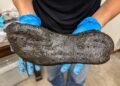
Chemical analysis of the caulking yielded an even more surprising find. In contrast to what might be expected, where local materials such as linseed oil or fat from animals might be used, the sealant was composed of a mixture of pine pitch and fat. At that time, there were very few pine forests in Denmark or northern Germany, but they were widespread along the Baltic Sea coast farther east. This is a very convincing indication that the boat was built outside of Denmark, probably in the Baltic region, and that its crew sailed a considerable distance to reach Als. This journey implies careful planning, maritime skill, and an organized attack rather than a spontaneous raid.
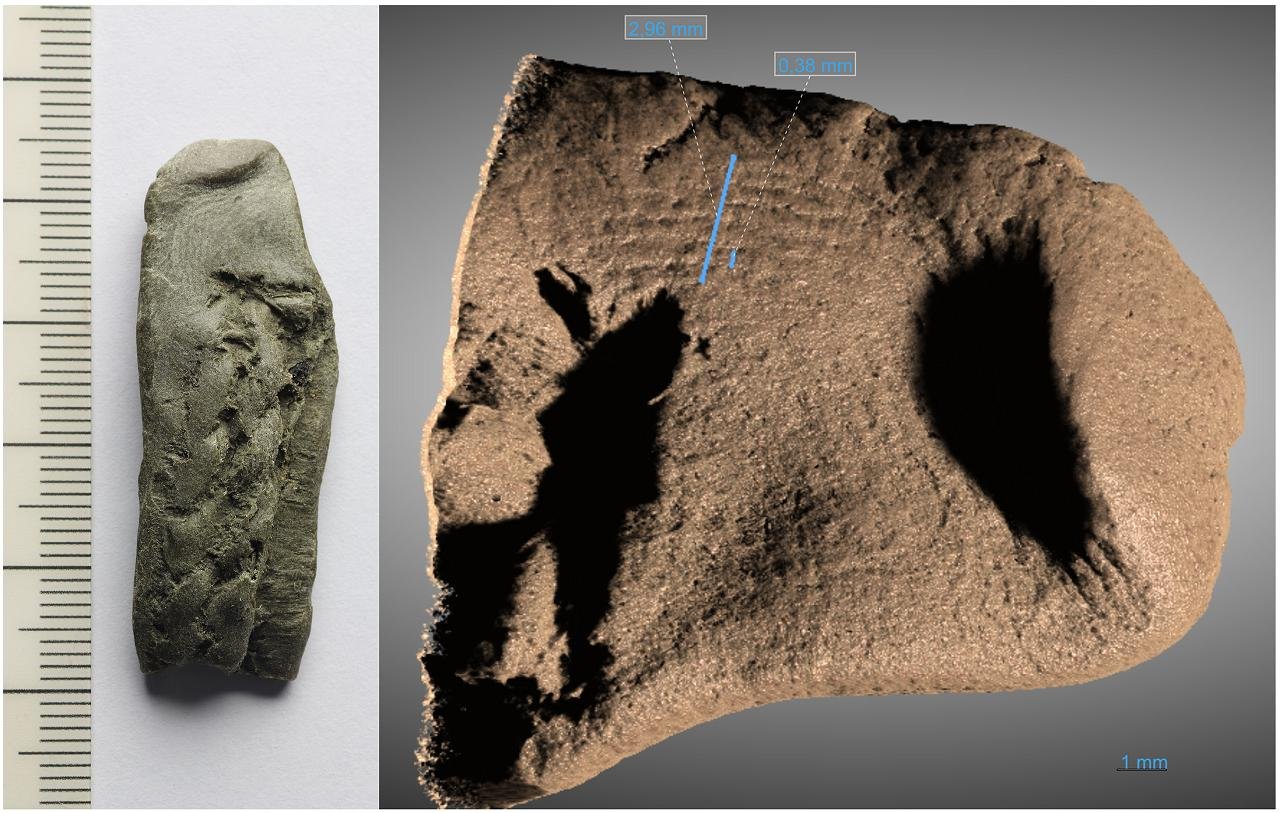
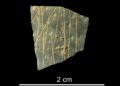
Perhaps the most astounding find that has come to light is a partial human fingerprint that has been preserved in the tar. This fingerprint is probably an accidental touch during construction or repair of the boat, and it is a rare, direct physical trace of one of its ancient users. Human fingerprints from this time period are extremely uncommon.


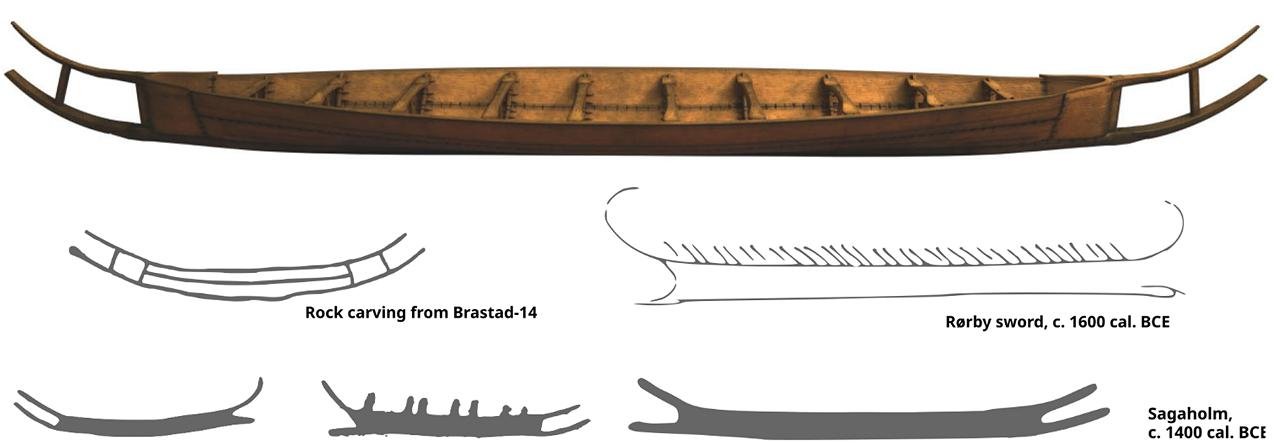
The Hjortspring boat also highlights how sophisticated shipbuilding was in early Scandinavian society. The boat, which is close to 20 meters long and capable of carrying two dozen men, was sewn together from planks and fitted with curved extensions at both ends. This is evidence that boat-building skills were highly developed even before the Viking Age.
Researchers hope that future studies will shed even more light on the matter. For instance, a closer look at the tree rings within the preserved wood using imaging analysis, and the extraction of ancient DNA from the tar, may finally reveal the origin of the Hjortspring warriors and underscore how maritime travel, trade, and conflict were embedded in Scandinavian society centuries before the Vikings took to the seas.

















Disclaimer: This website is a science-focused magazine that welcomes both academic and non-academic audiences. Comments are written by users and may include personal opinions or unverified claims. They do not necessarily reflect the views of our editorial team or rely on scientific evidence.
Comment Policy: We kindly ask all commenters to engage respectfully. Comments that contain offensive, insulting, degrading, discriminatory, or racist content will be automatically removed.