
Extensive archaeological work across the Centralny Port Komunikacyjny (CPK) investment area in central Poland is uncovering a long sequence of human activity spanning from the Neolithic to the early modern era. Excavations have revealed traces dating back to the Neolithic (c. 5200–1900 BCE), the Bronze Age (c. 2300–700 BCE), the Roman Influence Period, the Early and Late Middle Ages, and up to the 16th–18th centuries.

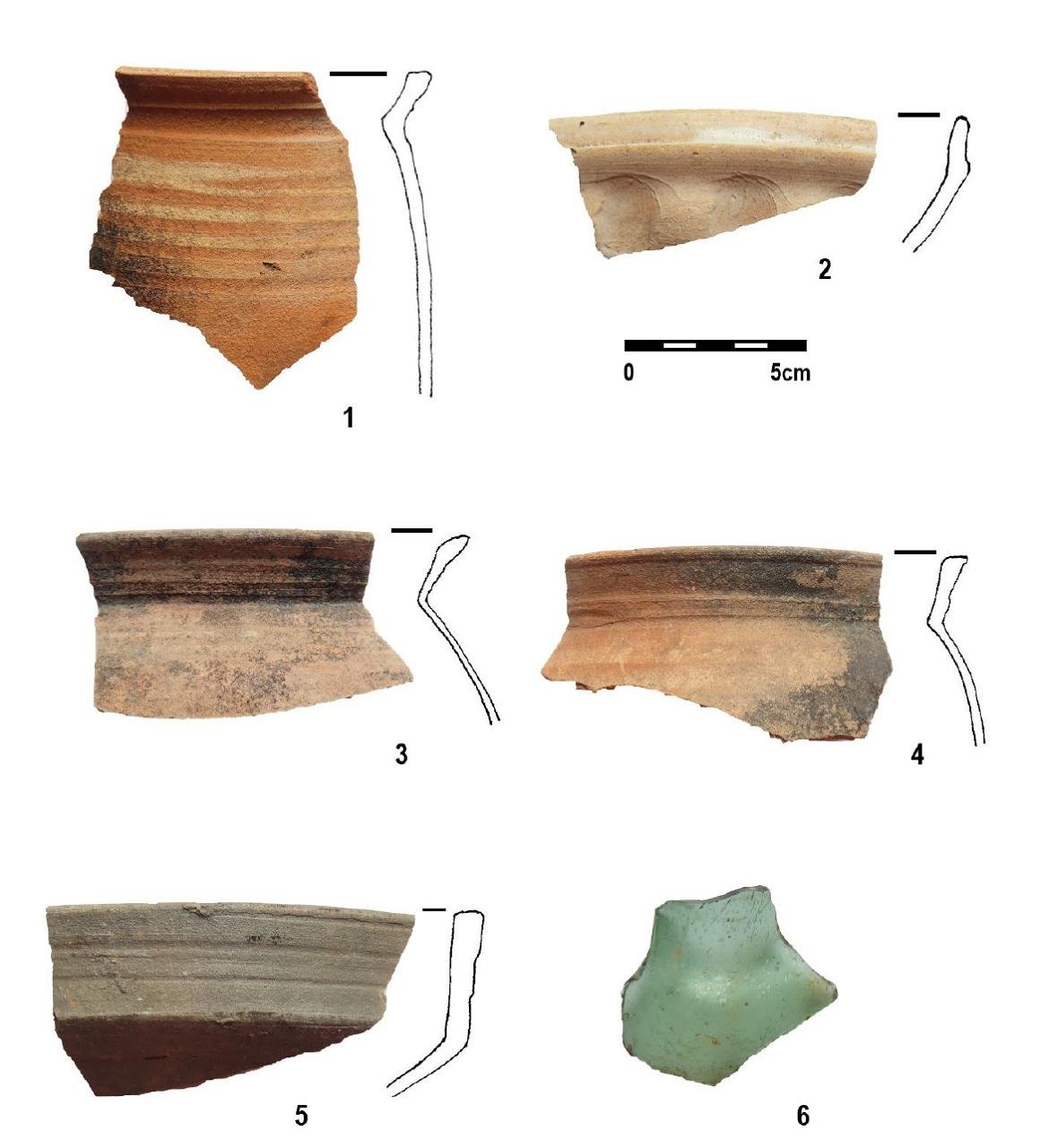
The most frequent finds are fragments of ceramic vessels, which appear in almost every excavated area. Alongside them, excavators retrieve metal adornments, parts of weapons, household items, coins, flint and stone tools, and pieces of historical glassware. Many of the features unearthed so far indicate the presence of ancient settlements associated with the Lusatian and Przeworsk cultures: semi-sunken dwellings, refuse pits, furnaces, and storage pits. There have also been hearths and wells from the medieval and early modern eras.
The CPK project allows researchers to investigate unusually large areas, and excavation zones are often expanded as concentrations of artifacts continue beyond their initial boundaries. The scale of the project makes this a rare opportunity for studying numerous archaeological sites simultaneously, enabling extensive material collection that reflects long-term habitation of the region.
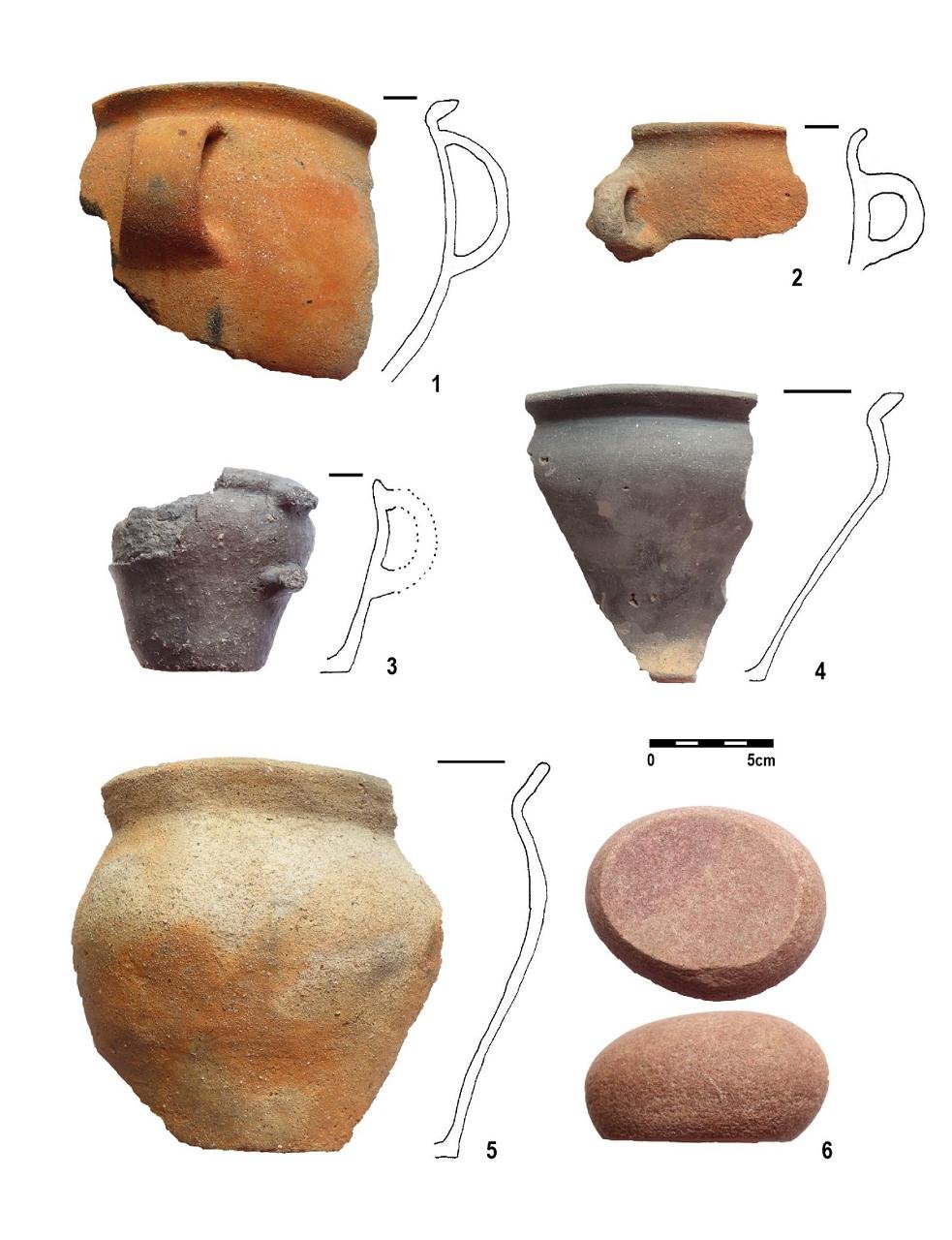
All finds are subjected to interdisciplinary analysis after the completion of fieldwork in each area. Material identification is based on dendrochronology, X-ray imaging, radiocarbon (C-14) dating, anthropological studies, and conservation treatments, while chronologies are established. After the analysis, the objects will be transferred to museums designated by the Mazovian Provincial Heritage Conservator.
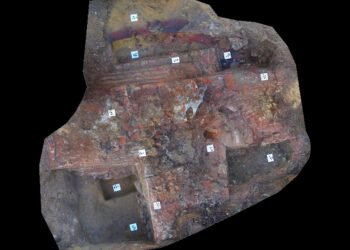
Archaeological explorations began in October 2023 and will continue until the end of 2026, preceding extensive land leveling for the CPK Airport. The work pauses from 1 April to 30 June each year to comply with environmental rules that protect the bird nesting season. The research is conducted in close cooperation with the Mazovian Provincial Heritage Conservator, whose representative regularly inspects the site to make sure that the work is proceeding in accordance with heritage protection laws.


The archaeological effort has been thoroughly planned to avoid interfering with the construction schedule of the CPK Airport, a strategic investment designed to integrate air, rail, and road networks across Central Europe. Excavations so far have revealed how densely the region was settled over thousands of years, underlining the cultural importance of the area now being prepared for one of Poland’s major future infrastructure developments.













Disclaimer: This website is a science-focused magazine that welcomes both academic and non-academic audiences. Comments are written by users and may include personal opinions or unverified claims. They do not necessarily reflect the views of our editorial team or rely on scientific evidence.
Comment Policy: We kindly ask all commenters to engage respectfully. Comments that contain offensive, insulting, degrading, discriminatory, or racist content will be automatically removed.