
A recent study published in the Journal of World Prehistory suggests that the earliest botanical paintings made by human civilization were more than just aesthetically significant. These works of art, researchers claim, conveyed a remarkably sophisticated conception of number, space, and order. By analyzing painted pottery from the Halafian culture of Northern Mesopotamia, from about 6200–5500 BCE, researchers have determined that agricultural communities were embedding mathematical concepts into their artworks at least 8,000 years ago.
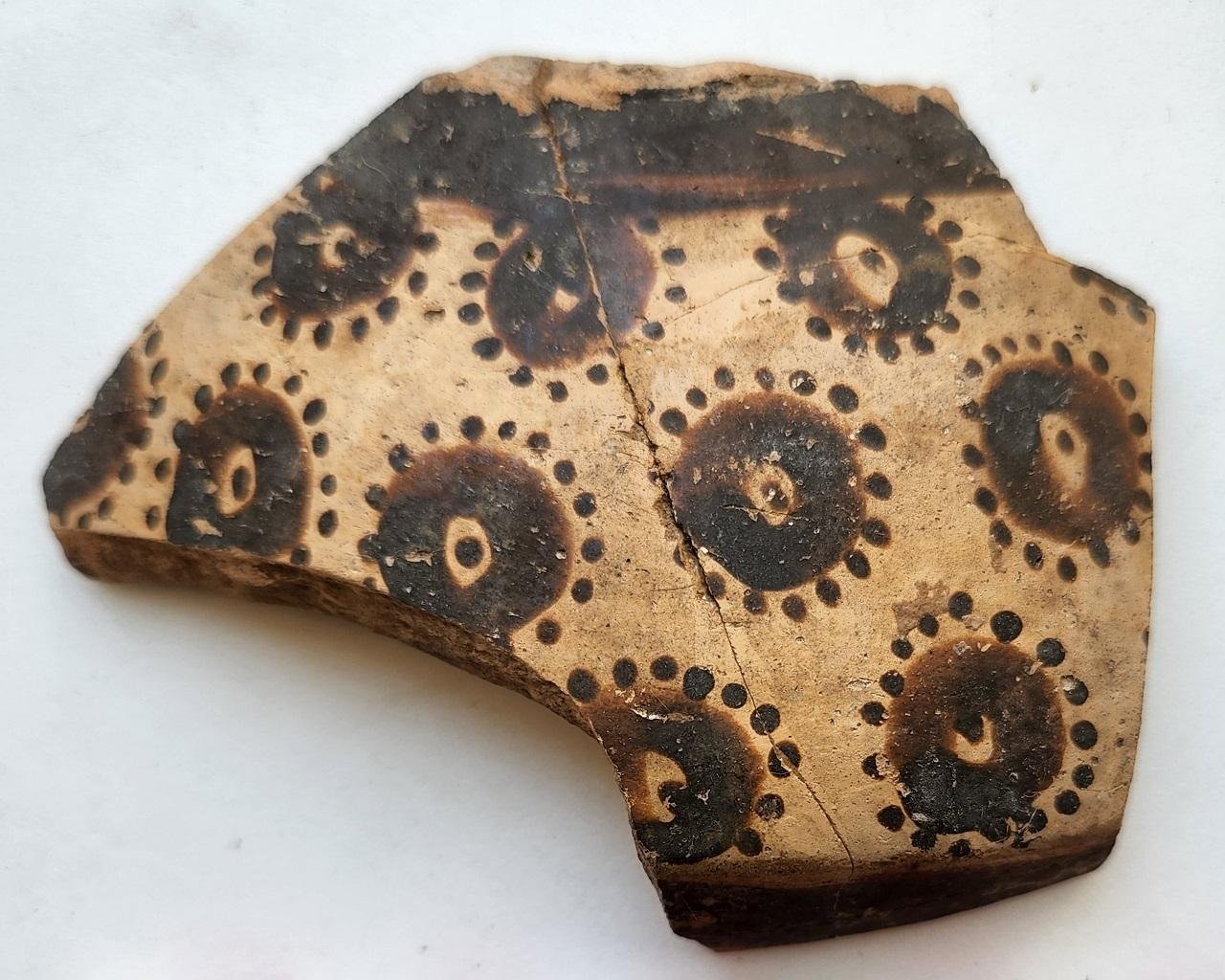
This study analyzes the finely crafted ceramic vessels that were created by the Halafians, who were small agricultural village dwellers in what is now parts of Iraq, Syria, and Turkey. While prehistoric art was dominated by human and animal representations, Halafian pottery shows a distinct preference for the representation of the plant world. Flowers, shrubs, branches, or trees are commonly found on bowls and jars, rendered with a strong sense of balance.
By analyzing data from 29 archaeological sites, the researchers documented hundreds of vegetal motifs. While some of these depictions bear a strong resemblance to real plants, other motifs are very stylized, but all display deliberate composition and symmetry. This is significant because it indicates that these motifs were likely part of a shared visual language rather than just decoration.
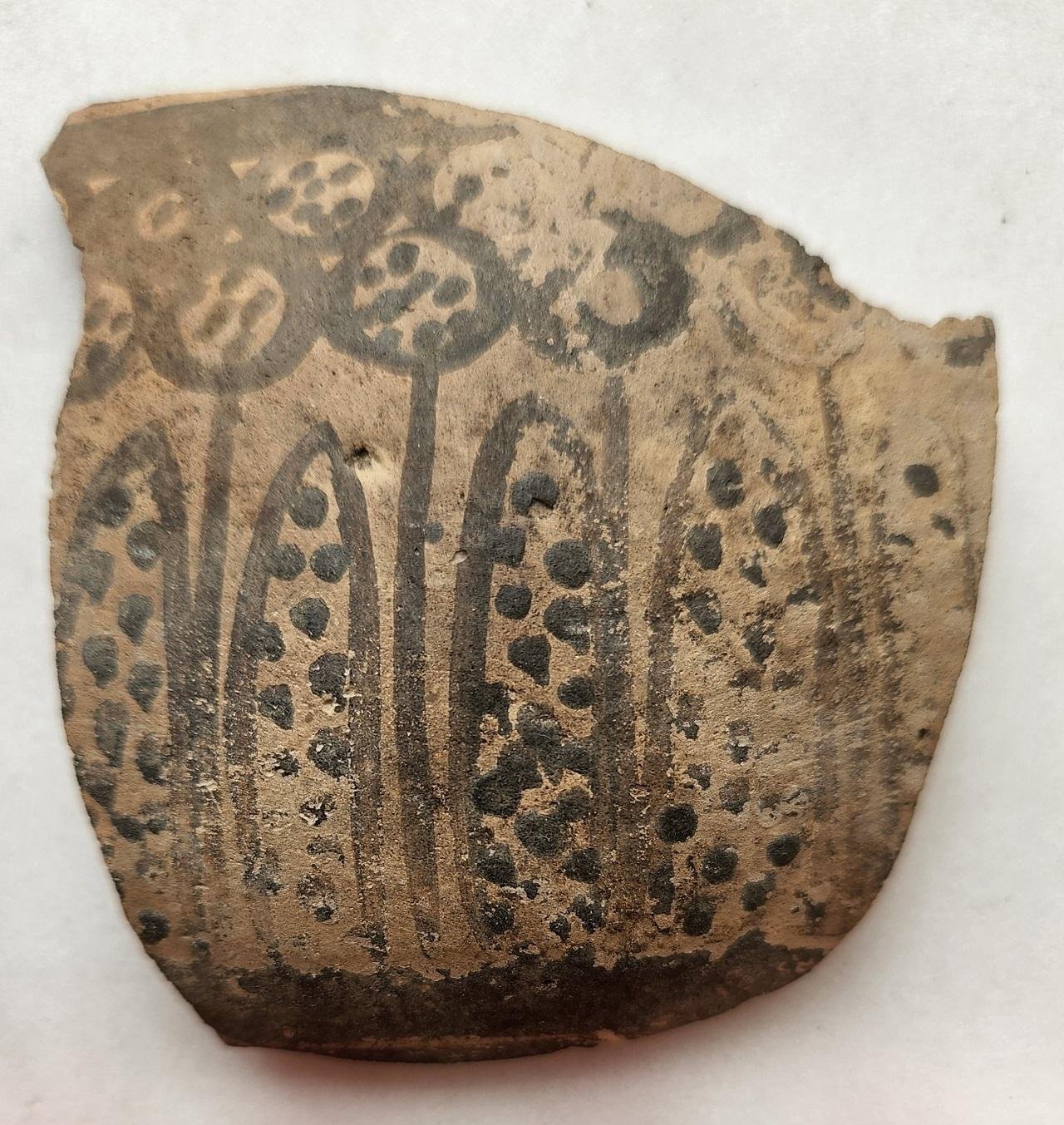
One of the most interesting aspects of this research is the evidence of the repeated use of numerical patterns in floral motifs. Many vessels feature flowers with petals arranged in geometric sequences, groups of 4, 8, 16, 32, and in some instances even 64 elements. Such clearly demarcated progressions indicate the ability to divide space evenly and an understanding of doubling and proportional order. This, the authors of the study indicate, is indicative of a form of arithmetic that predates the development of writing or formal mathematics in Mesopotamia.

All of these skills could likely be traced back to everyday village life. Living in agricultural communities required dividing land, sharing harvests, and organizing collective labor. It is probable that the same cognitive abilities that were used for those tasks can be observed through pottery decoration, where symmetry and repetition could be explored and refined.

Interestingly, the vegetal motifs are not of such things as wheat or barley that could be consumed. Instead, these include flowers and trees, which could have been valued for their beauty, not their utility. The researchers suggest that flowers, in particular, tend to evoke positive emotional responses, which could explain their use as artistic subjects.
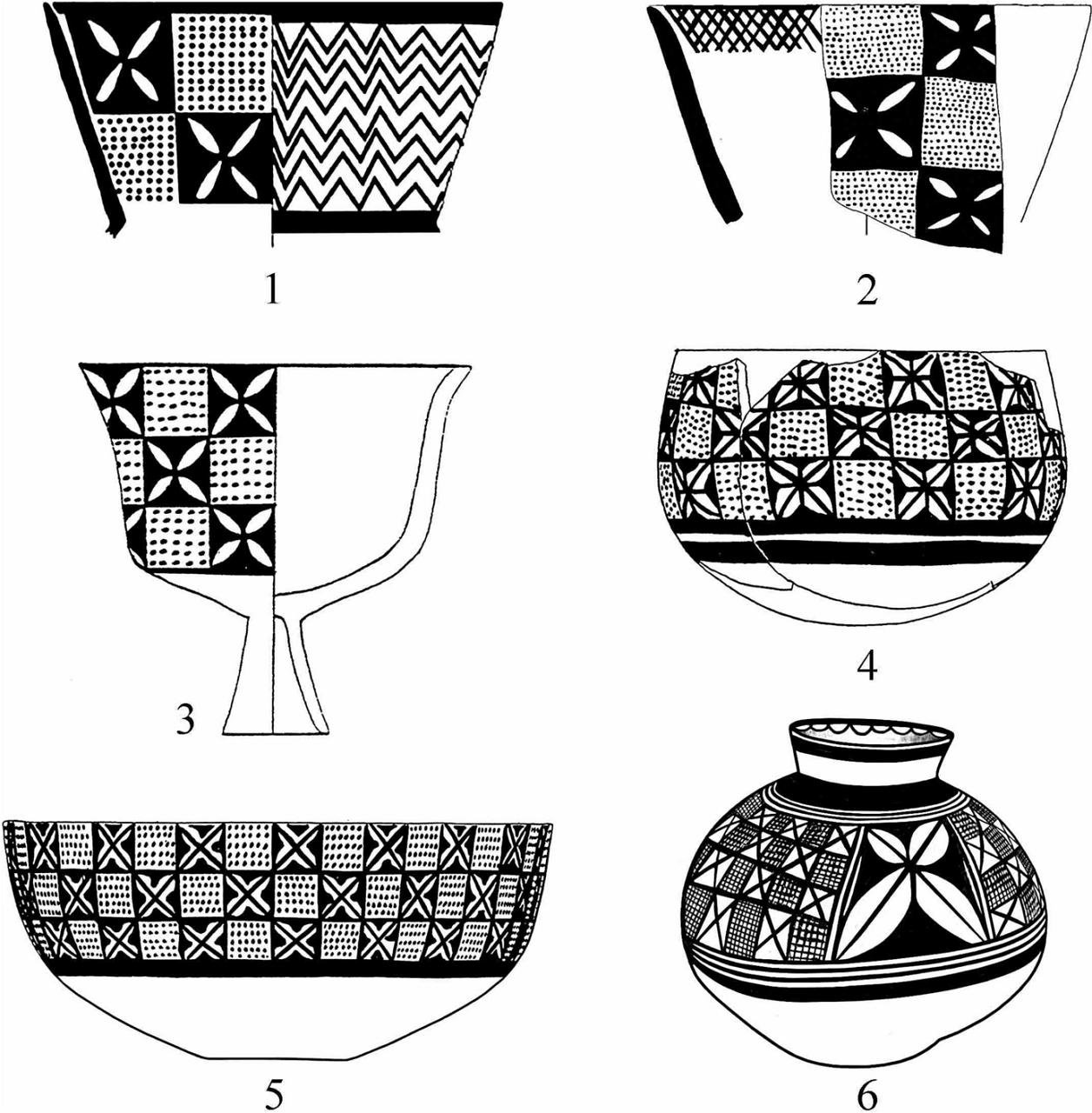
In highlighting the link between artistic expressions and early forms of numerical thinking, the research calls into question traditional timelines for the history of mathematics. Contrary to expectations, mathematical thinking did not originate suddenly with written records in later Sumerian society, but seems to have developed through visual practices related to everyday life.














Disclaimer: This website is a science-focused magazine that welcomes both academic and non-academic audiences. Comments are written by users and may include personal opinions or unverified claims. They do not necessarily reflect the views of our editorial team or rely on scientific evidence.
Comment Policy: We kindly ask all commenters to engage respectfully. Comments that contain offensive, insulting, degrading, discriminatory, or racist content will be automatically removed.
Your work 💫 continues to motivate countless people every single day. Really grateful for creators like you