
A team of archaeologists excavating in the north of Iraq has uncovered evidence showing how different religious communities existed and lived side by side in peace approximately 1,500 years ago. After conducting research over a period of three years at Gird-î Kazhaw in the Kurdistan region, the team led by Dr. Alexander Tamm (FAU, Friedrich-Alexander-Universität Erlangen-Nürnberg) and Prof. Dirk Wicke (Institute of Archaeological Sciences, Goethe University Frankfurt) reported that Christian and Zoroastrian communities shared the same landscape during the fifth and sixth centuries CE.
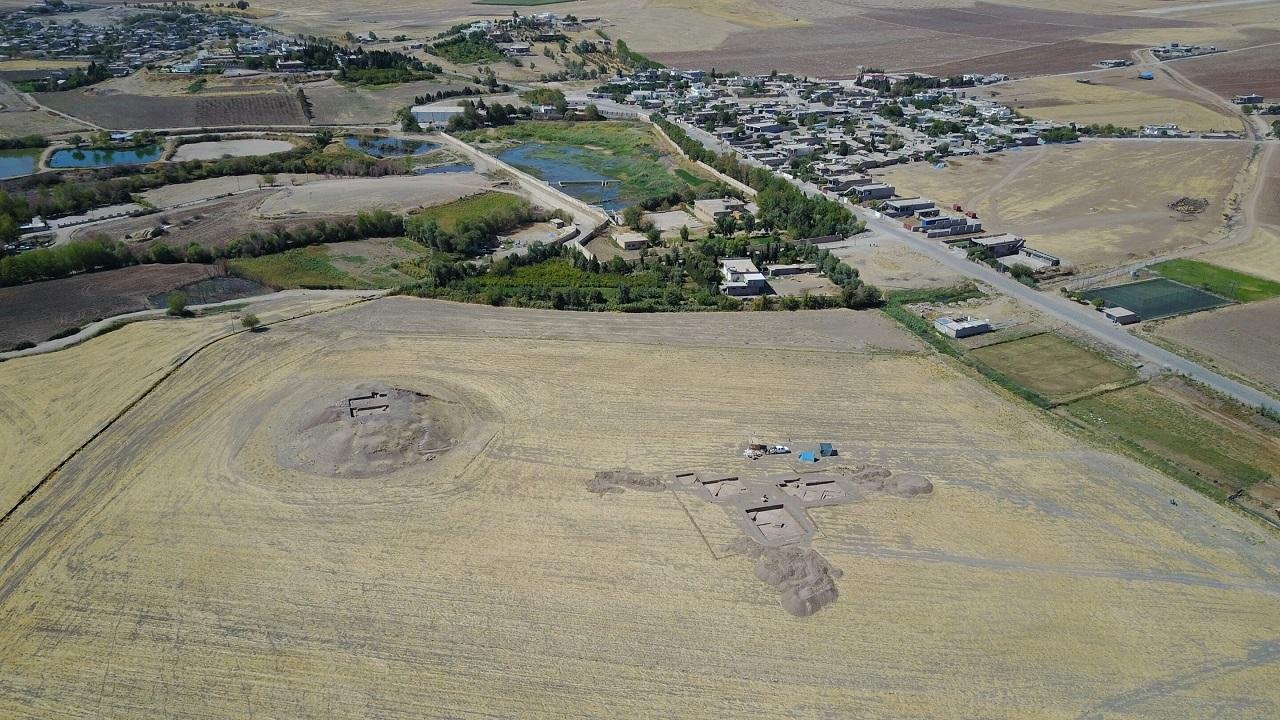
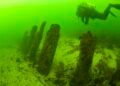
The excavation focused on a large building complex, which was identified for the first time in 2015, whose original use remained uncertain for a long time. Clues were initially provided by the presence of five squared stone pillars, partly coated with white gypsum plaster, suggesting a religious structure. Geophysical surveys brought to light further buried walls, hinting that the building might have been part of a monastery. It stood near a settlement mound, alongside a nearby Sasanian fortification that had been overlaid by an Islamic burial ground.
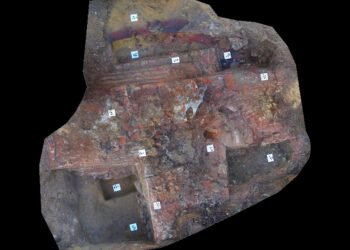
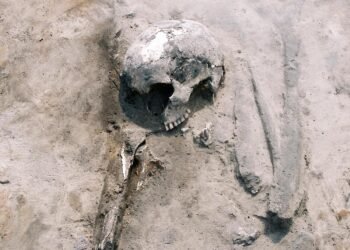
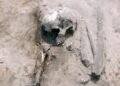
During this most recent season, two areas were opened for excavation. The first was the archaeological area around the pillars, while the second was the Islamic cemetery, focusing on the examination of burials with an emphasis on anthropological documentation. However, under a shallow layer of soil, the team uncovered brick walls and floors made initially of rammed earth and later of stone and reused bricks.
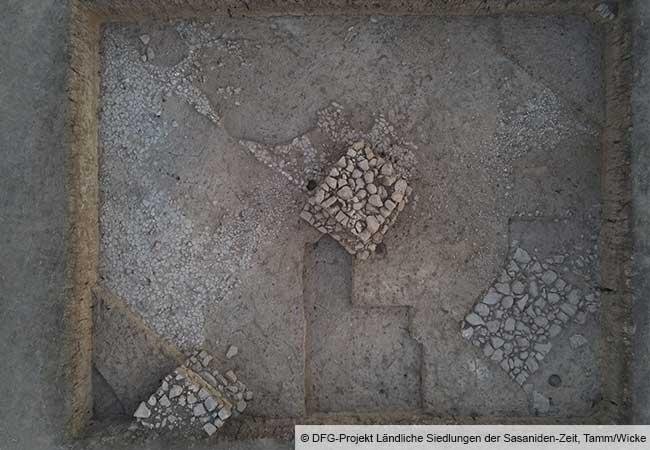
One of the most exciting finds was the presence of additional stone pillars, possibly indicative of a three-nave layout with a central nave aligned northwest to southeast. Indeed, this design is typical of early Christian buildings in this region, although it is clear that this structure would have been far larger, with a central nave alone appearing to extend roughly 25 meters in length and 5 meters in width. Nearby rooms may have belonged to a monastic complex, although further excavation will be needed to confirm this.
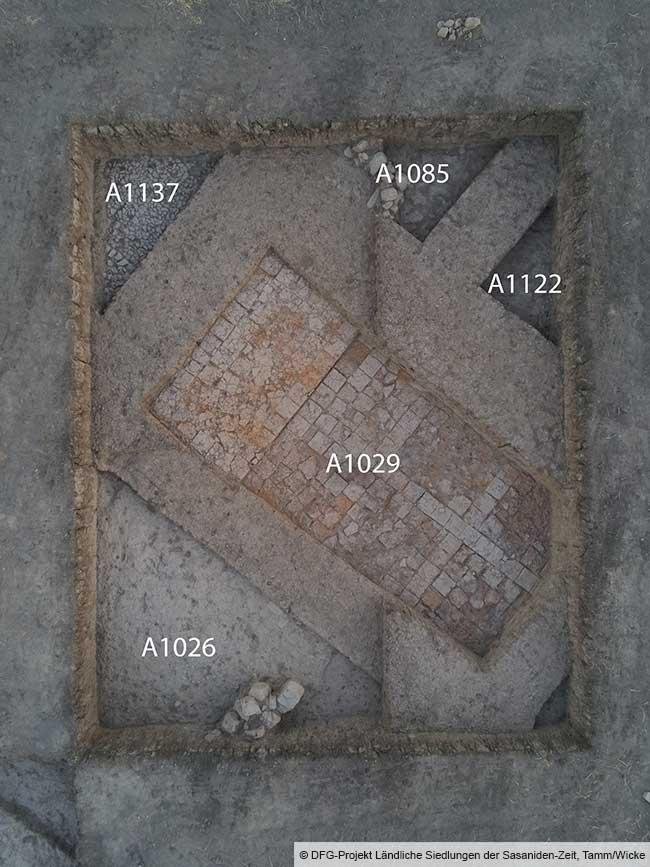
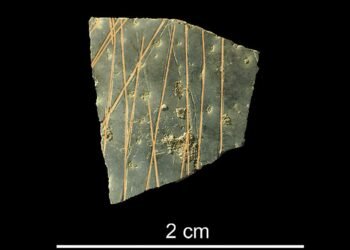
Another surprising discovery was a room with carefully laid fired bricks ending in a semicircular feature, hinting that it may have had liturgical use. In combination with decorated pottery bearing a Maltese cross, the architectural find confirms the location to be a Christian meeting place. Similar examples of early churches from this period exist in northern Syria and Mesopotamia, supporting the site’s fifth- to sixth-century date.
The proximity of the site to the Sasanian fortification is also very interesting. If both structures were contemporary, then coexistence between Christians and Zoroastrian followers of the Sasanian state religion is evident. The later Islamic graves add another chapter, prompting ongoing research into when and how the local population converted to Islam.
The excavation at Gird-î Kazhaw is part of a larger project examining rural settlements in the Shahrizor Plain. By shifting focus from imperial capitals to smaller communities, the researchers hope to reach a deeper understanding of everyday life, economy, and religiosity in antiquity. Future seasons will focus on food production, animal use, and health through archaeobotanical, zoological, and forensic methods.









Disclaimer: This website is a science-focused magazine that welcomes both academic and non-academic audiences. Comments are written by users and may include personal opinions or unverified claims. They do not necessarily reflect the views of our editorial team or rely on scientific evidence.
Comment Policy: We kindly ask all commenters to engage respectfully. Comments that contain offensive, insulting, degrading, discriminatory, or racist content will be automatically removed.