
A recent study offers a fresh perspective on what appears to have been an early rite of passage in ancient Maya childhood: the piercing and gradual stretching of the ears. Drawing on centuries of Maya artistic representations, the research suggests that ear ornaments were far more than decorative items—they played a central role in the formation of personhood.
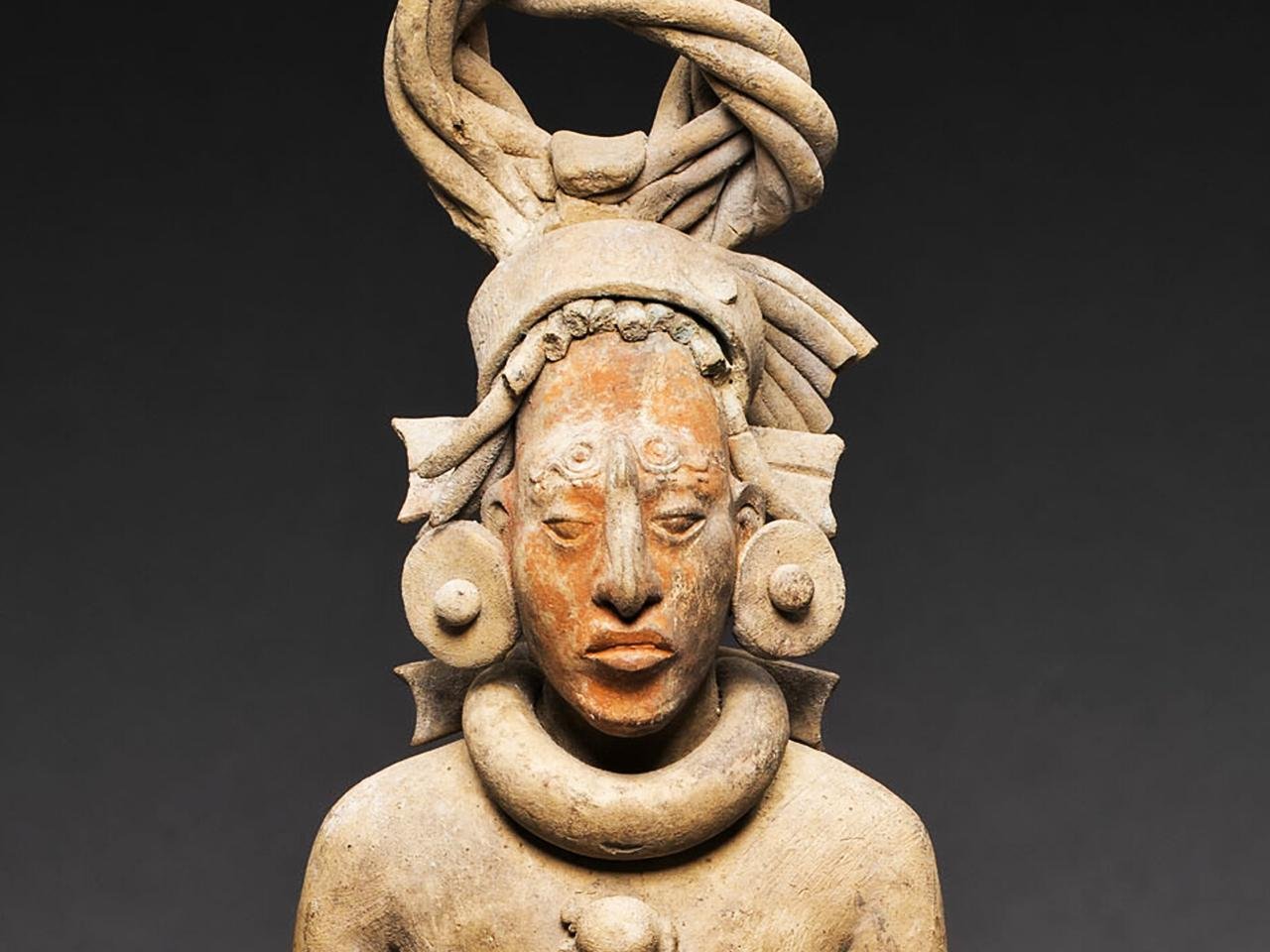
This study, headed by Ph.D. candidate Yasmine Flynn-Arajdal and published in Childhood in the Past, analyzed 83 images of Maya children from around 800 BCE to 1500 CE. Such depictions appear in Classic and Postclassic art, including ceramic figurines, painted scenes, and stone carvings. They are not common, so this sample represents a valuable insight into how the Maya represented early life stages.
Flynn-Arajdal compared these artworks with descriptions from Ch’ol and Tzotzil Maya communities, which believe that the human soul is composed of multiple components, most of which are in the head. These components linked to identity are related to wind or breath (ik’) and mental clarity. Earrings were linked with ik’, so pierced ears were a symbol of life force and social integrity. This connection appears in Classic-period depictions of wind gods, who frequently wear earspools marked with symbols of breath or wind.
From the analysis, it appears that Maya children could have their ears pierced as early as three to four months, but this was uncommon. Children between four months and one year old are also depicted wearing ear ornaments. When they reached one to four years of age, most of them appear with these adornments. The ornaments were received even before gendered clothing or other age-linked markers.
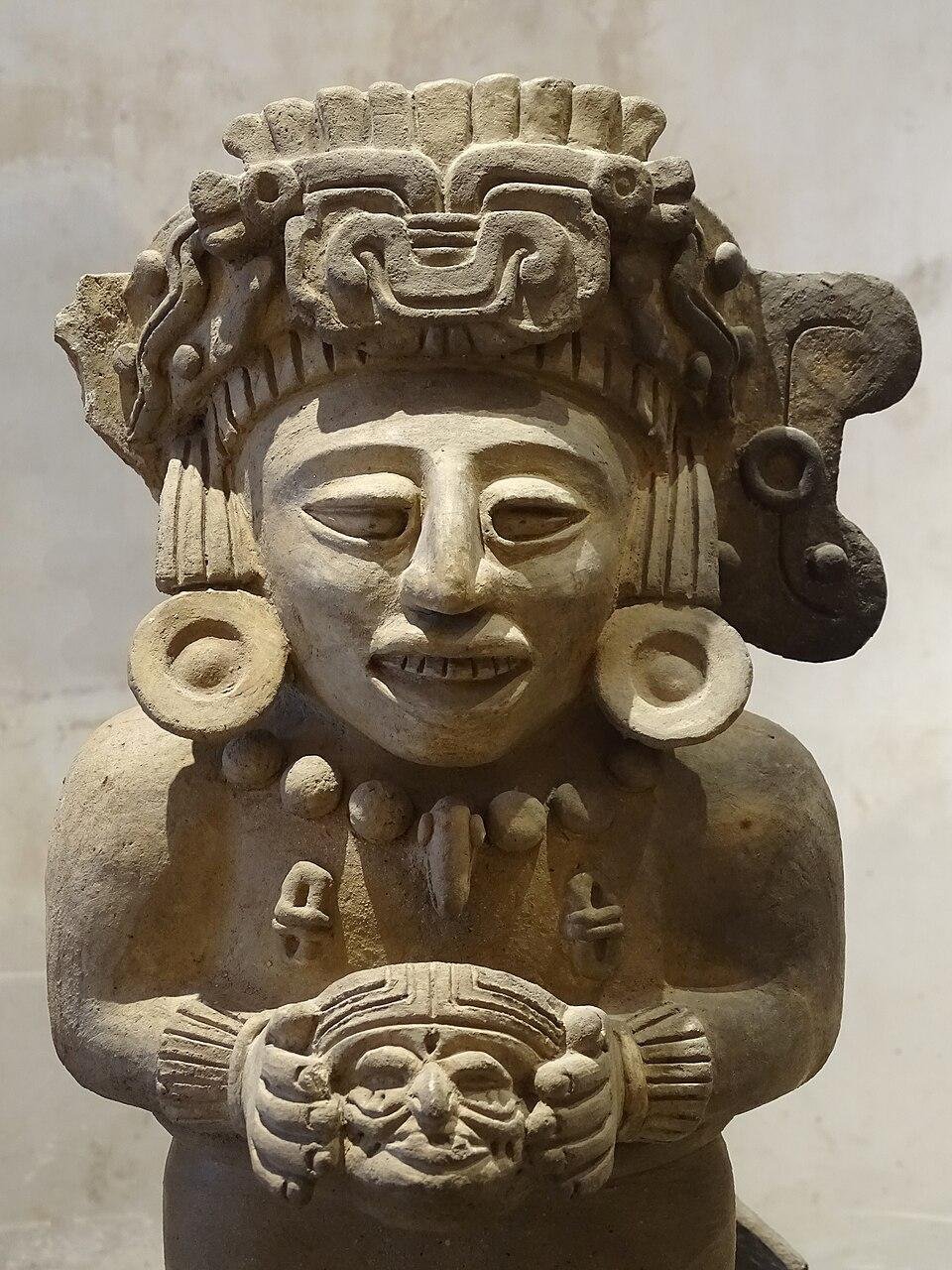
Although it is known that Aztec infants were subject to ceremonies of ear piercing performed by specialists, it has been relatively difficult to identify a similar practice in Maya civilization. This study implies that the ritual may have also involved religious figures, especially since elite Maya bloodletting ceremonies were overseen by priests, which were similar in nature to this practice, but the method is unknown.

This study also examines how ear piercing marked only the beginning of a longer bodily transformation. A widespread practice among Maya people involved ear stretching, as individuals enlarged the already-pierced openings over time. While no data exist on how it was done, it seems that this practice consisted of a slow increase in the size and/or weight of ornaments. Elite individuals often wore larger and more ornamented objects, made from materials as valuable as jade, precious shells, or finely crafted ceramics, whereas commoners usually wore ceramic, wood, and cord items that rarely survive in the archaeological record.











Disclaimer: This website is a science-focused magazine that welcomes both academic and non-academic audiences. Comments are written by users and may include personal opinions or unverified claims. They do not necessarily reflect the views of our editorial team or rely on scientific evidence.
Comment Policy: We kindly ask all commenters to engage respectfully. Comments that contain offensive, insulting, degrading, discriminatory, or racist content will be automatically removed.