
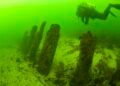
Archaeologists excavating the submerged harbor of ancient Alexandria have found remains of a rare and luxurious type of vessel described in classical sources but never before recovered: an ancient Egyptian pleasure barge known as a thalamagos. The discovery was made near the sunken island of Antirhodos, once part of Alexandria’s Portus Magnus, during underwater excavations led by the European Institute for Underwater Archaeology (IEASM).
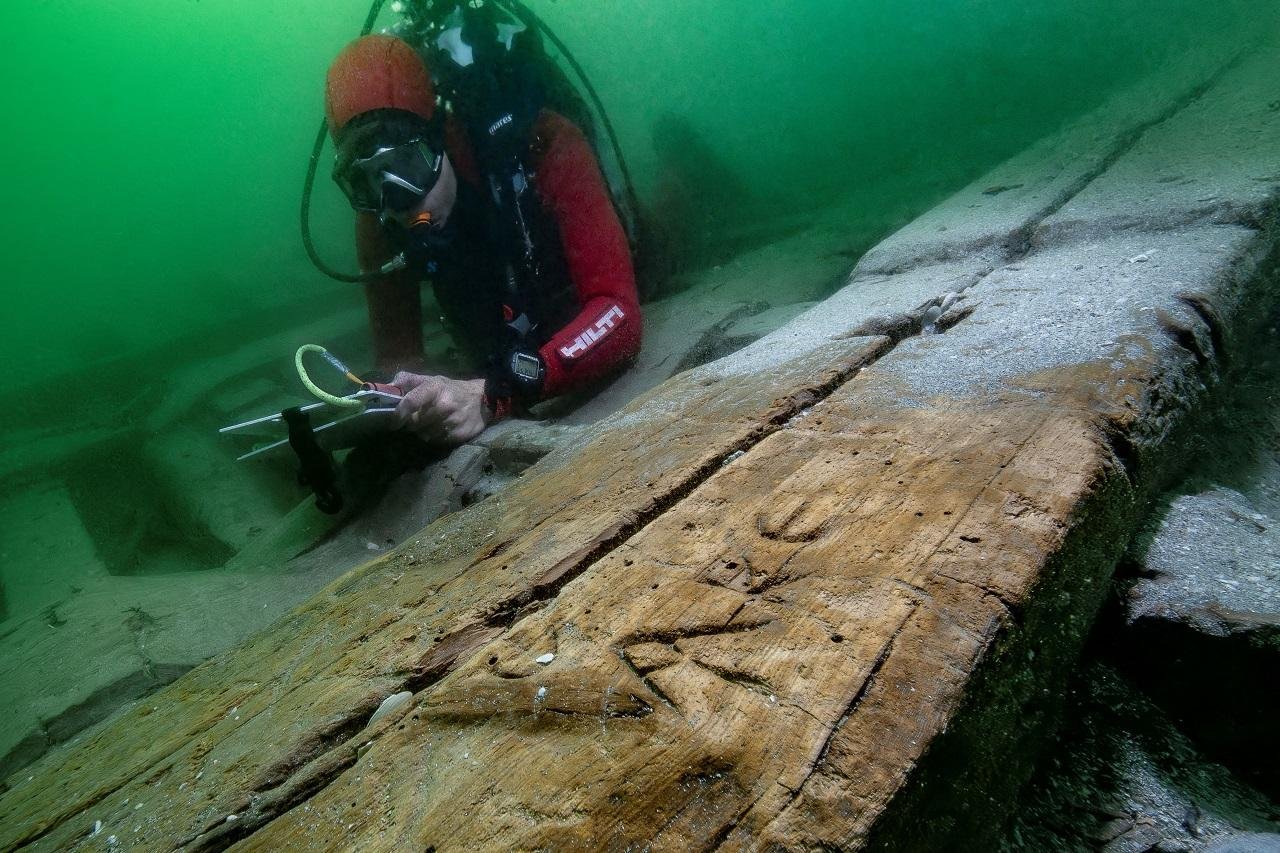
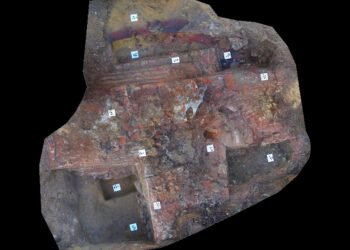
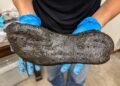
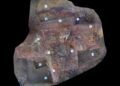
This wreck consists of remarkably well-preserved wooden timbers, approximately 28 meters in length, from a boat that was originally about 35 meters long and about 7 meters wide. The design was worked out in order to provide maximum width, allowing space for a central pavilion and an elaborately decorated cabin. Its flat-bottomed hull, with a sharp chine at the bow and a rounded stern, is highly specialized; it is unlikely to have been designed for travel across open water but rather for calm, shallow waterways. According to archaeologists, the vessel was powered solely by oars and required more than 20 rowers.
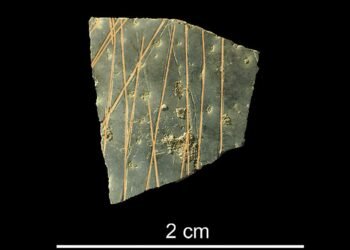
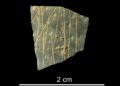
Greek graffiti found on the ship’s central structure date it to the first half of the first century CE and indicate that it was locally built in Alexandria. This timeline corresponds with the accounts of geographer Strabo, who visited the city decades earlier and spoke of cabin-boats used in festivals, leisure, and religious ceremonies along canals lined with dense vegetation.
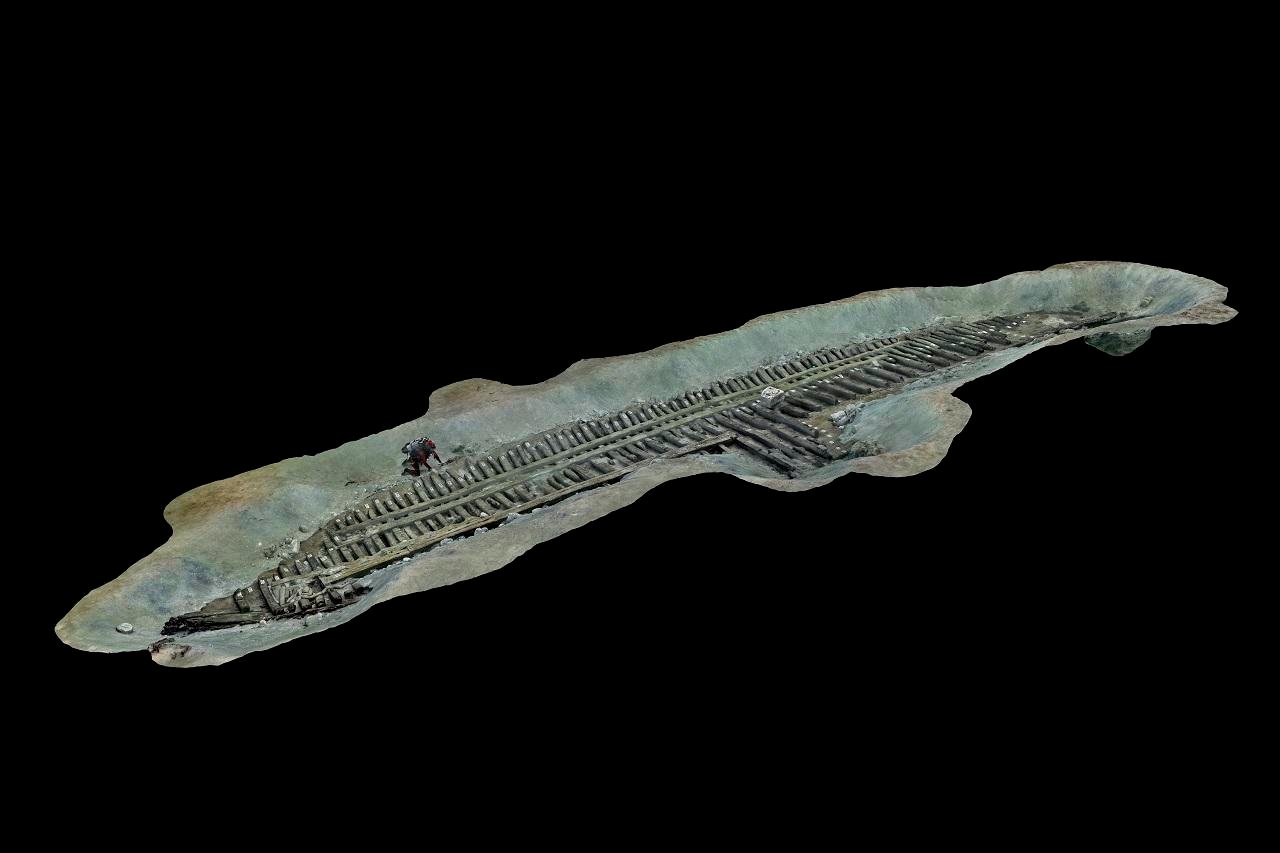
The wreck is less than 50 meters from the remains of the Temple of Isis, another focus of ongoing excavation. By its location and dating, researchers believe the vessel might have sunk in a catastrophic event around CE 50, when earthquakes and tidal waves caused large parts of Alexandria’s shoreline, palaces, and temples to collapse into the sea. A quite different interpretation proposes a ritual function: the barge may have belonged to the Isis sanctuary and thus played a role in the annual navigium Isidis, a ceremonial procession reenacting the goddess’s solar voyage toward Canopus.
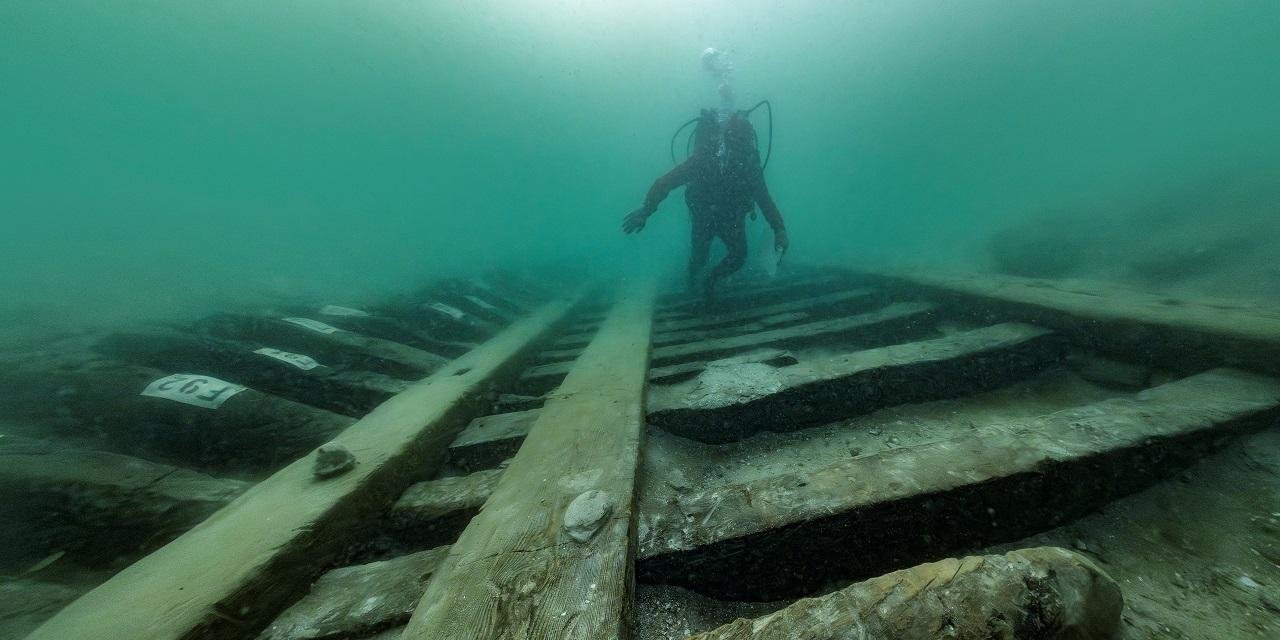
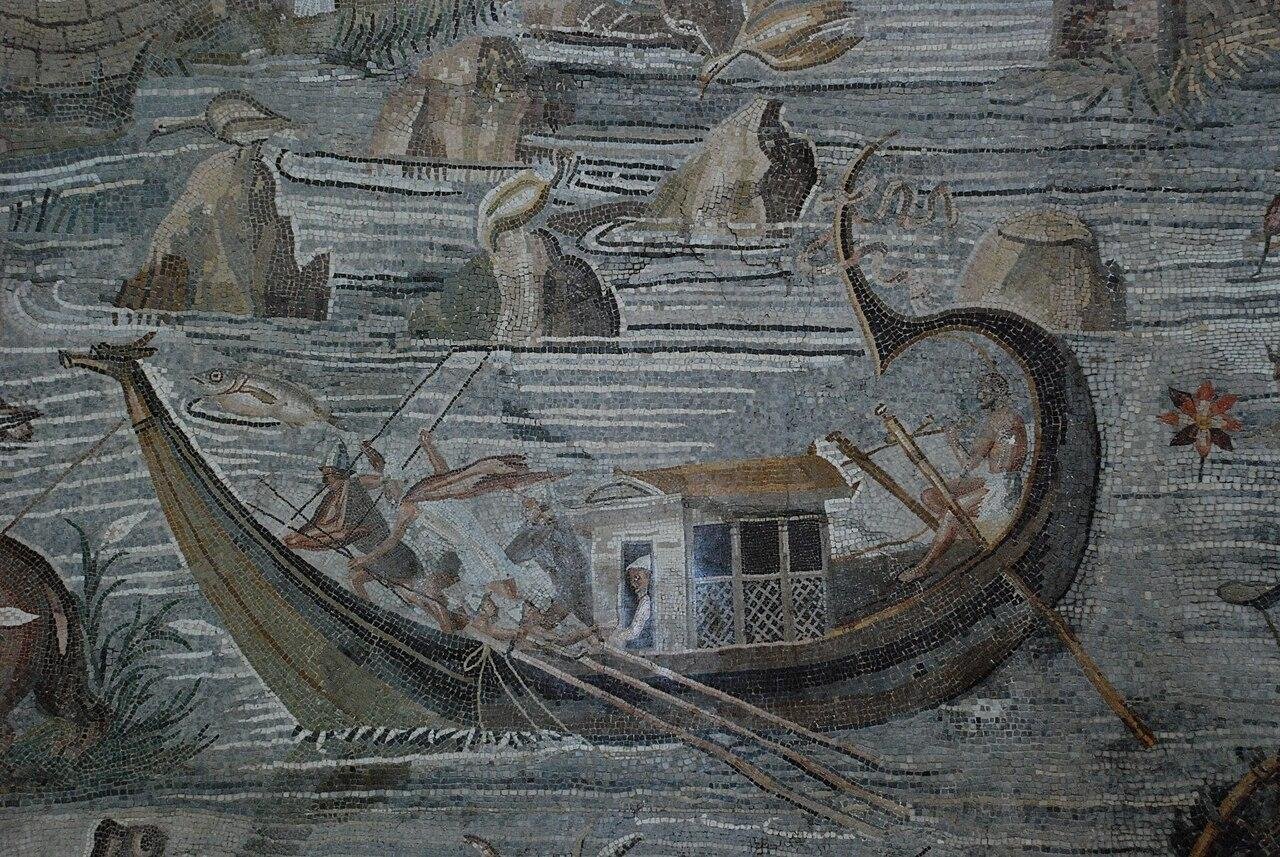
Similar vessels appear in ancient art, such as the famous Nile mosaic of Palestrina, but the newly found wreck is much larger than most known depictions. The discovery also calls to mind the legendary floating palaces of the Ptolemaic rulers, including those said to have belonged to Cleopatra VII, a testament to the long tradition of ceremonial and pleasure barges in Egypt.
Research on the wreck is still in its early stages, and per UNESCO guidelines, the vessel itself will remain on the seabed for conservation. Excavations in the surrounding area are expected to continue and will no doubt yield further details about daily life, religious practice, and elite leisure in early Roman Alexandria.














Disclaimer: This website is a science-focused magazine that welcomes both academic and non-academic audiences. Comments are written by users and may include personal opinions or unverified claims. They do not necessarily reflect the views of our editorial team or rely on scientific evidence.
Comment Policy: We kindly ask all commenters to engage respectfully. Comments that contain offensive, insulting, degrading, discriminatory, or racist content will be automatically removed.
Ilove watching all sorts of achiology, very satisfying to try to understand, how they built all those lovely thing, without any kind of tools and other equipment, no electricity going on there ( keep it coming with all those interesting archeology stories 👍
What is the status of finding nefriti…