
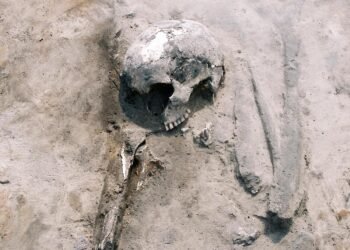
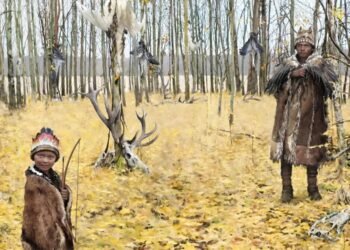
A recent genetic study reveals part of the secret of exceptional longevity in Italy and finds that this may lie deep in the prehistoric past of the European continent. Using DNA samples of hundreds of people living to be 100 or older, researchers have found that centenarians in Italy have a higher proportion of genetic ancestry linked to Western Hunter-Gatherers, some of the earliest inhabitants of Europe after the last Ice Age.
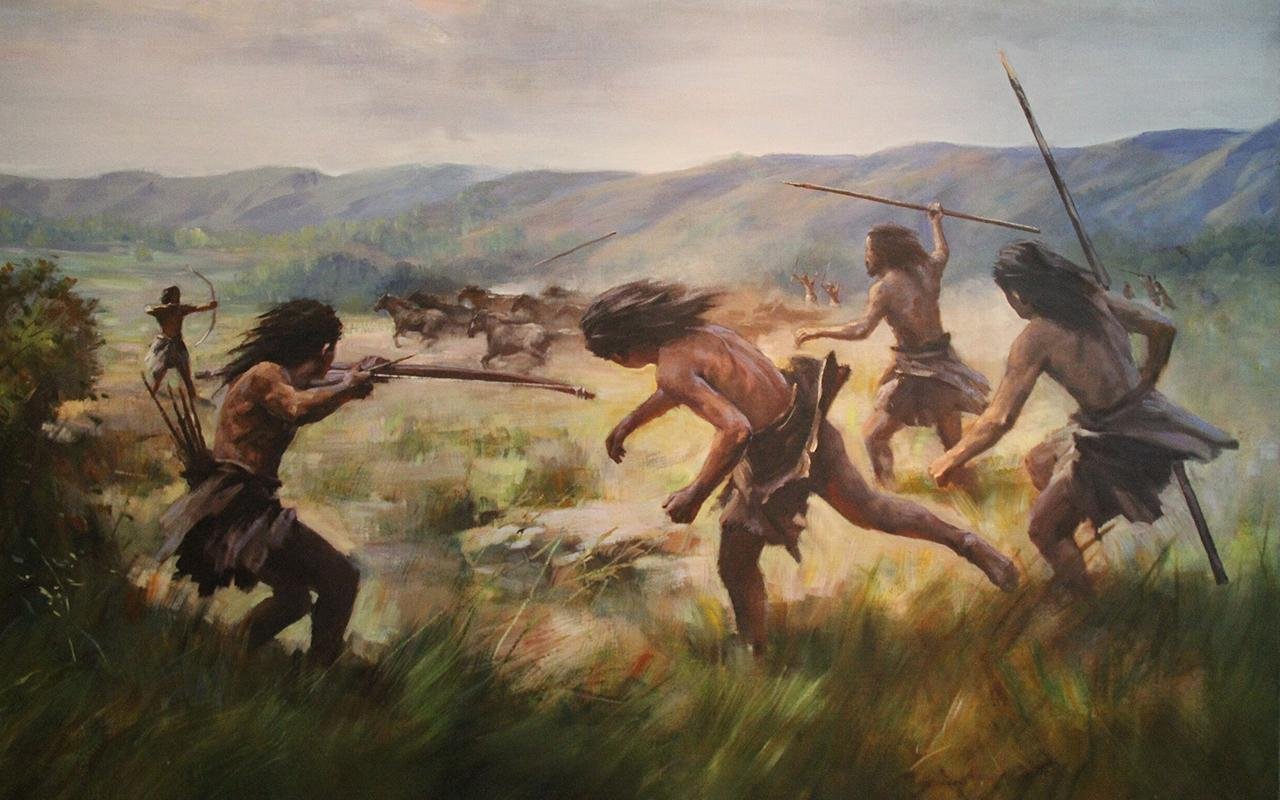
Longevity has been shown to result from a complex interaction between genetics, environment, and lifestyle. While studies have previously revealed genes associated with longer life, the current study has a broader scope, as it examines whether the ancestries of ancient populations still influence human health today. Furthermore, advances in paleogenomic studies have enabled comparisons between modern genomes and ancient DNA, providing a clear perspective on how certain traits, such as longevity, were shaped over a period of thousands of years.
To conduct this study, researchers focused on Italy, one of the countries with the highest percentages of centenarians in the world, with a well-documented genetic history shaped by several migration waves. The researchers examined genome-wide data from 333 Italian centenarians and compared them with 690 healthy individuals about 50 years of age. The researchers further analyzed this modern information alongside 103 ancient genomes representing four major ancestral components of the Italian population: Western Hunter-Gatherers, Neolithic farmers from Anatolia, Bronze Age nomads, and ancient populations from the Iranian and Caucasus regions.
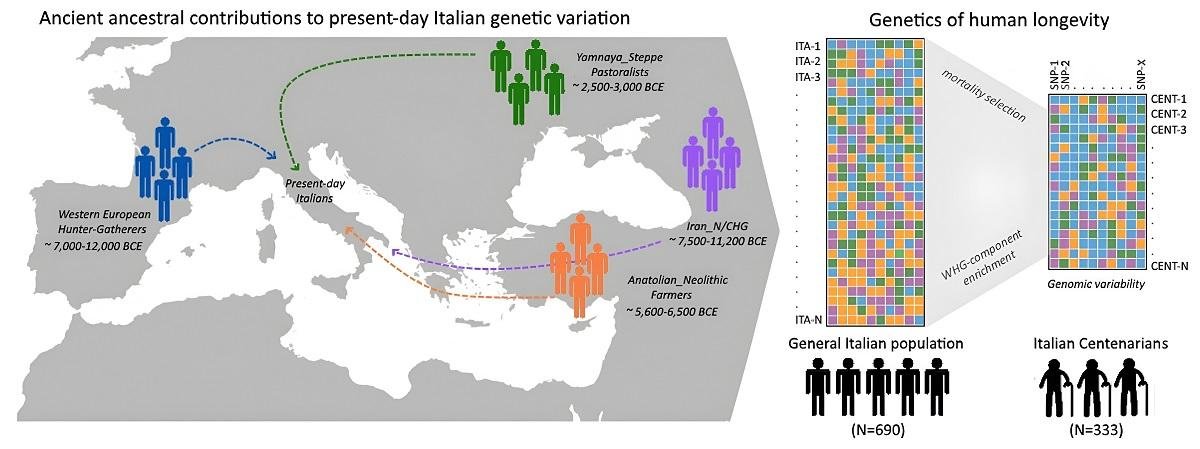
Although all participants had a mixture of these ancient ancestries, a clear pattern emerged. Participants who attained the age of 100 consistently showed a stronger genetic affinity with Western Hunter-Gatherers compared to the control participants. Statistical tests confirmed that this association was significant even after accounting for the overall genetic structure of the Italian population. Essentially, small increases in Western Hunter-Gatherer ancestry were linked to a significantly higher likelihood of becoming a centenarian, with this effect appearing particularly strong among women.
Further analysis of individual chromosomes showed that centenarians also carried more Western Hunter-Gatherer–derived variants at genetic locations previously associated with longevity. Such results imply that the link is not a simple demographic phenomenon, but may instead involve specific biological mechanisms.

It has been proposed that such ancient gene variants could have been favored during the difficult conditions of the last Ice Age, when survival depended on efficient energy use and robust immune defenses. What once helped hunter-gatherers endure may today contribute to healthier aging by supporting metabolism and protecting against age-related stress.
The findings show that genetic legacies that existed among prehistoric people, shaped tens of thousands of years ago, may still influence who lives longer today.










Disclaimer: This website is a science-focused magazine that welcomes both academic and non-academic audiences. Comments are written by users and may include personal opinions or unverified claims. They do not necessarily reflect the views of our editorial team or rely on scientific evidence.
Comment Policy: We kindly ask all commenters to engage respectfully. Comments that contain offensive, insulting, degrading, discriminatory, or racist content will be automatically removed.