
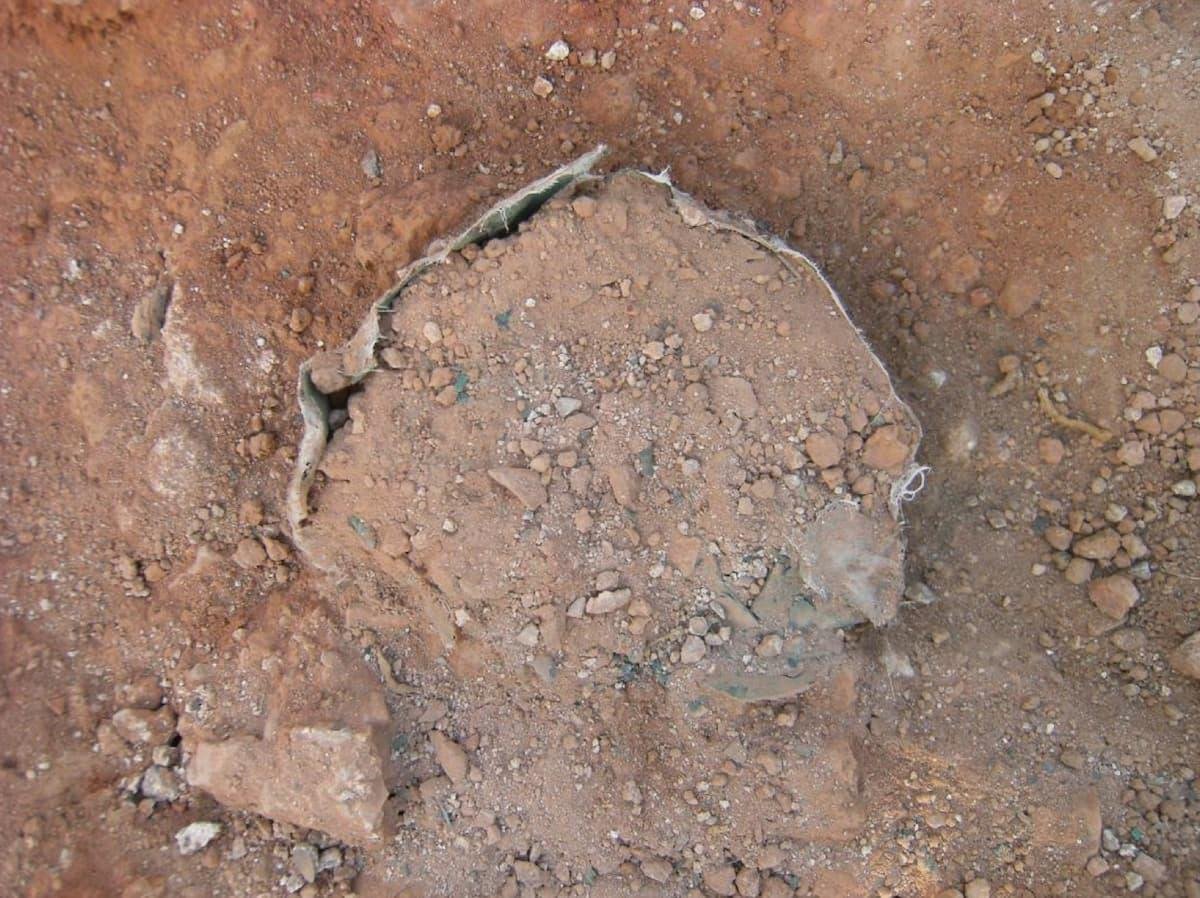
An unassuming but important metal vessel, uncovered by archaeologists working at the Molinete Archaeological Park in Cartagena, the ancient Roman city of Carthago Nova, is challenging understandings of Roman administration, economy, and ritual in southeastern Iberia. Found amidst the burned remains of a structure destroyed by fire around the end of the third century CE, this object originally seemed like little more than a warped, corroded mass. It was only when restoration from over 200 fragments was undertaken that its true significance finally emerged.
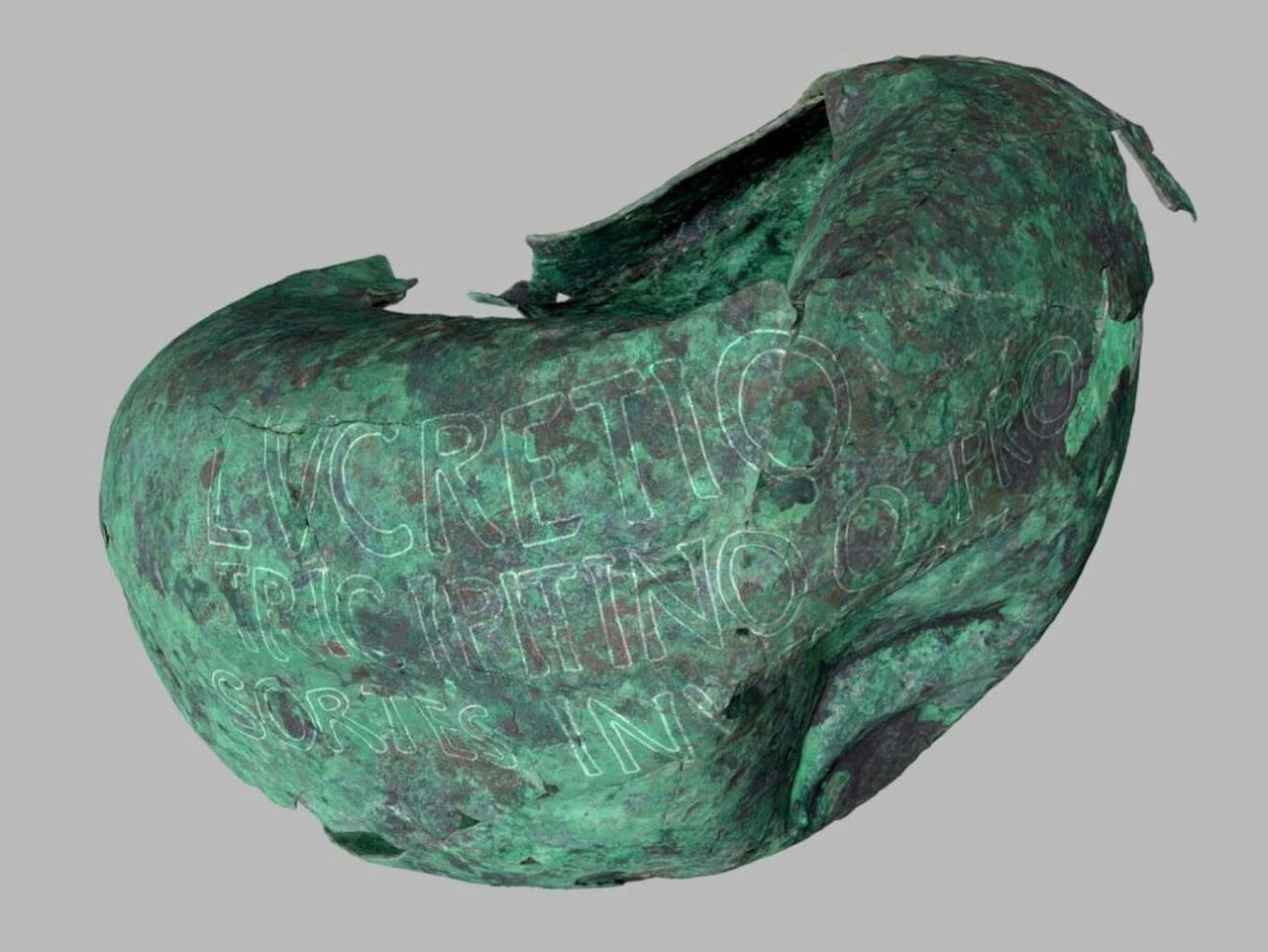
The vessel has been identified as a sitella, a Roman metal container used in the casting of lots. It was made from a copper alloy, with a broad and globular shape, and once served as an official instrument in procedures that relied on chance, such as assigning offices, distributing responsibilities, or even consulting the gods. The giveaway clue is that it bears an inscription including the word sortes, referring to the tablets or tokens drawn during such rituals.
More importantly, the inscription preserves the name and title of a Roman official previously unknown to history: Spurius Lucretius Tricipitinus, described as quaestor pro praetore. This was a very exceptional position, granted when a quaestor took on full provincial authority in the absence of the governor. In Hispania Citerior, this role is exceptionally rare, with only one other documented case before this find. Scholars date the tenure of Lucretius Tricipitinus to between approximately 47 and 27 BCE, during the tumultuous final decades of the Roman Republic, before Augustus reorganized provincial rule.
The find also helps to resolve one long-standing epigraphic puzzle from Cartagena. A fragmentary stone inscription, known at least since early modern times, mentioned a quaestor pro praetore who personally financed major public works, but his full name was missing. The Molinete sitella now makes it possible to identify that benefactor as Lucretius Tricipitinus, and he emerges both as a provincial governor and as a civic patron deeply invested in Carthago Nova.
There is also economic evidence to underpin this picture: the Lucretius name appears on lead ingots from the nearby Cartagena–Mazarrón mining district, indicating that the same family controlled or profited from the lucrative metal resources of the region. Such a connection is not out of order within Roman practices of assigning provinces to officials who already had commercial interests there.
The context of the discovery provides even more meaning. The building where the sitella was found stood near a sanctuary of Isis, and earlier excavations in the area uncovered a monumental cornucopia, a symbol often linked to Fortuna, the goddess of chance. Together, these findings suggest the possibility that the vessel was used not only for civic administration but also in ritual or oracular practices.
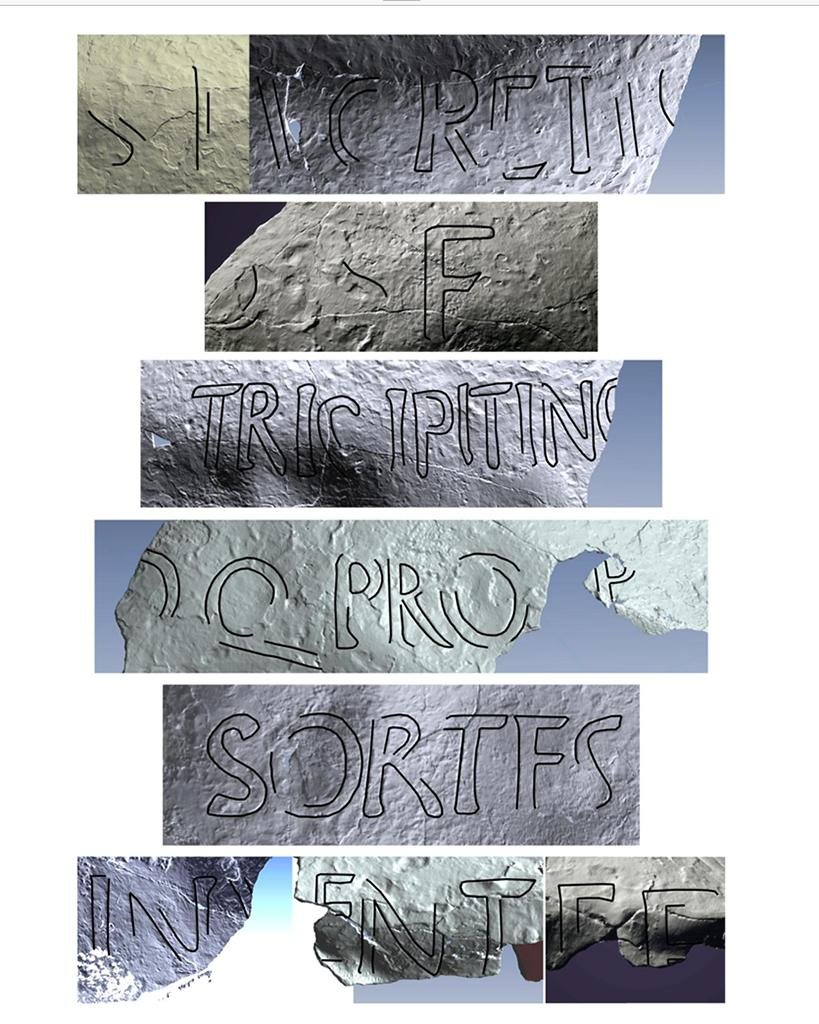
Preserved by the very fire that destroyed the building, this battered metal container now offers a rare look into how power, wealth, and chance intersected in one of the Roman Mediterranean’s richest provinces.















Disclaimer: This website is a science-focused magazine that welcomes both academic and non-academic audiences. Comments are written by users and may include personal opinions or unverified claims. They do not necessarily reflect the views of our editorial team or rely on scientific evidence.
Comment Policy: We kindly ask all commenters to engage respectfully. Comments that contain offensive, insulting, degrading, discriminatory, or racist content will be automatically removed.