
Archaeologists working near Durrington Walls in Wiltshire have now confirmed the presence of a vast Neolithic pit structure encircling the henge, adding new depth to our understanding of the ancient landscape north of Stonehenge.

The latest findings are based on a discovery first made in 2020, in which researchers identified a series of large, circular features that formed two arcs around the site. Initial interpretations suggested that they may be the remains of one of the largest prehistoric constructions in Britain. That view has now been further reinforced through follow-up research, which has shown that at least sixteen massive pits once formed a near-perfect ring around Durrington Walls.
The collaborative project, led by the University of Bradford with major contributions from the University of St Andrews, carried out extensive geophysical surveys, borehole investigations, and a suite of laboratory analyses. Features previously thought to be natural sinkholes, especially along the northern arc, were re-examined in 2021. The new data showed that these were not accidental formations within the chalk bedrock but intentionally dug pits dating from the later Neolithic period.
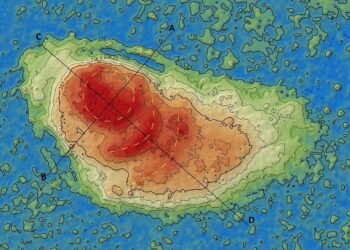
Recent work using optically stimulated luminescence dating places the construction of the pits at around 2480 BCE. Consistency across the dates suggests that these features were created over a very short period, indicating a planned and organized effort. Many of the pits are approximately ten meters in diameter and extend as deep as five meters, indicating a project that required considerable labour and precise organization.
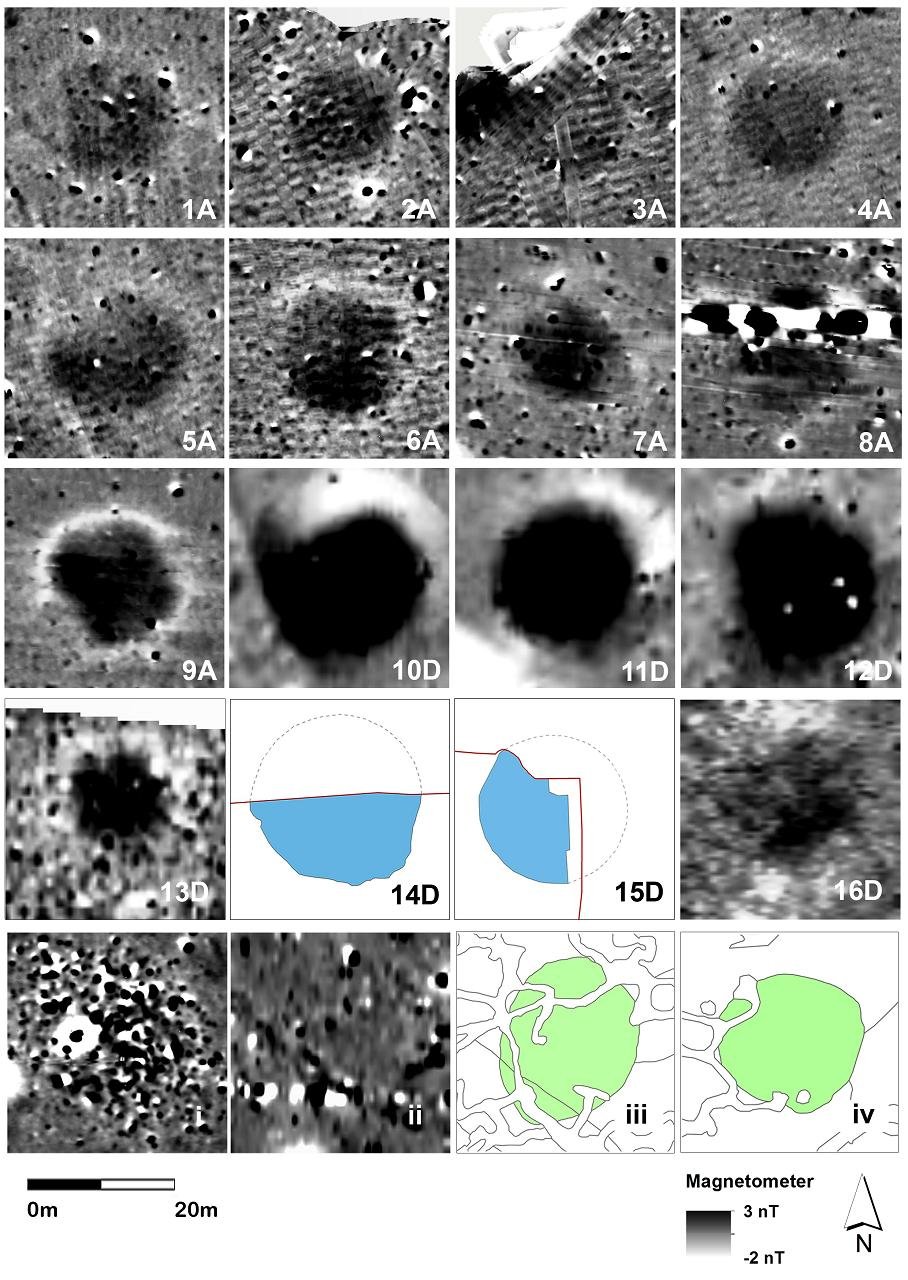
Apart from its dating, the research combined a set of techniques that are rarely used together on this scale. Sedimentary DNA analyses showed traces of ancient plants and animals from the surrounding chalk landscape that allowed researchers to reconstruct aspects of the local environment at the time the pits were in use. The geochemical signatures within the sediment fills also proved remarkably similar from pit to pit, reinforcing the notion that they belonged to a single, unified monumental design.


Fieldwork across both arcs confirmed the identity of a number of previously uncertain features and raised the total number of pits and probable pits to sixteen. One location west of Durrington Walls showed inconclusive results due to modern disturbance, but the overall pattern is now clear: a monumental circuit of large, human-made pits once surrounded the enormous henge enclosure.

The scale of the structure, its precision, and the labor it would have required provide new clues about the communities that lived in the region during the late Neolithic. Even in a landscape already known for extraordinary monuments, including Stonehenge, the ring of pits represents an unexpected, elaborate addition to the Durrington Walls complex.












Disclaimer: This website is a science-focused magazine that welcomes both academic and non-academic audiences. Comments are written by users and may include personal opinions or unverified claims. They do not necessarily reflect the views of our editorial team or rely on scientific evidence.
Comment Policy: We kindly ask all commenters to engage respectfully. Comments that contain offensive, insulting, degrading, discriminatory, or racist content will be automatically removed.
Could the dug pits be used for driving animals into a trap providing fresh meat when needed?