
Recent archaeological excavations in the area near the Limmat River in Gebenstorf are fundamentally changing current knowledge of Roman presence in northern Switzerland. Follow-up studies of a large rescue excavation carried out by the Cantonal Archaeology Department have shown that this site was not merely a center of trade and storage but also a political/administrative center, indicative of what amounts to the early beginnings of a settlement that never fully materialized.
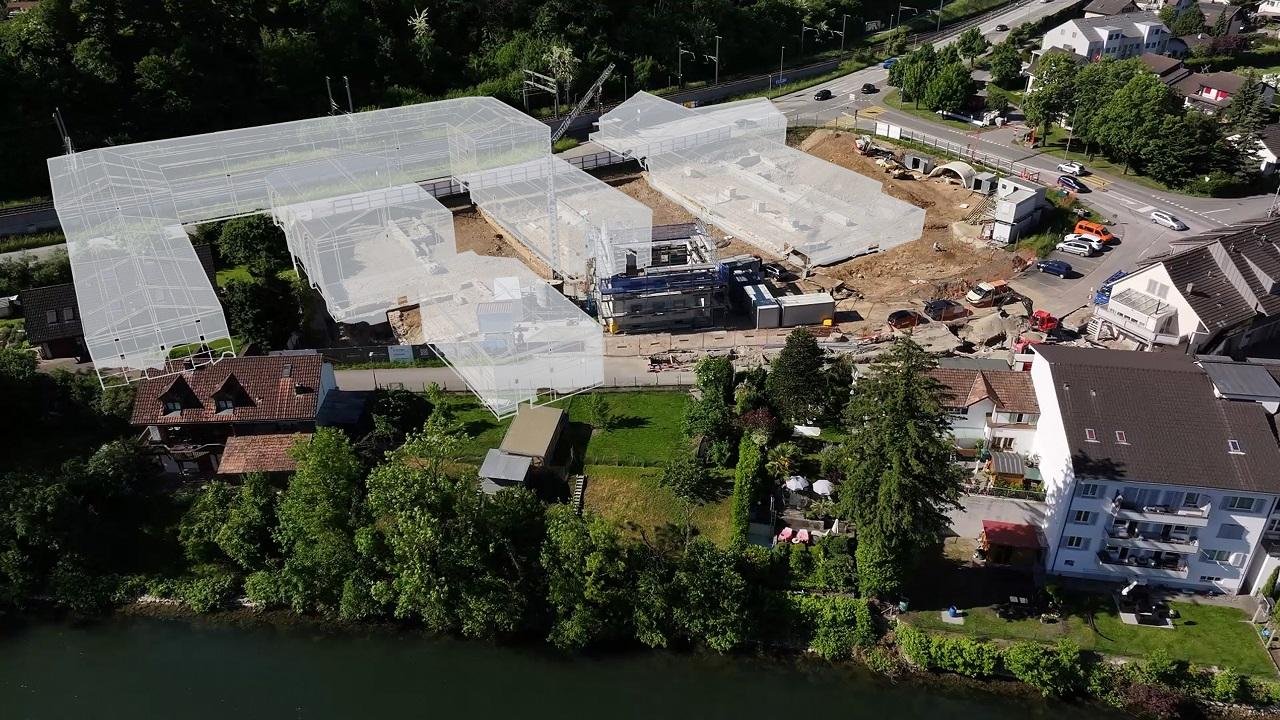
Over fourteen months of fieldwork from April 2024 through May 2025, archaeological evidence of a vast Roman settlement area was documented. Over 4,000 features, hundreds of plans, and thousands of photos were recorded in the database of the canton, along with 1,665 cataloged finds. This assemblage contains 137 coins, as well as various specialized items like styluses, weights, and a folding ruler, which point to a settlement area that was engaged in commerce and record-keeping during the period when Roman legions were stationed in Vindonissa.
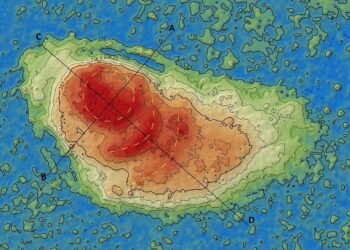
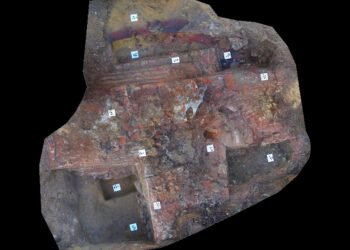
A detailed analysis of the architecture has also enabled a complete reconstruction of this complex for the first time. The three major buildings, probably dating from the late 1st century CE and constructed by units of the 11th Legion, were aligned along the riverbank. While the western structure seems to be a double-aisled portico with columned walkways, the central building contained a partly subterranean hall characteristic of cryptoporticoes found in Roman forums. The third, in the eastern part of this complex, has a complex design with multiple rooms, passages, and internal courtyards. Its southern part seems to continue beyond the excavation limits, possibly lying under a present-day road. The configuration reveals a multifunctional center that combined trade, administration, and legal activities, possibly intended for a planned urban settlement that was never completed.
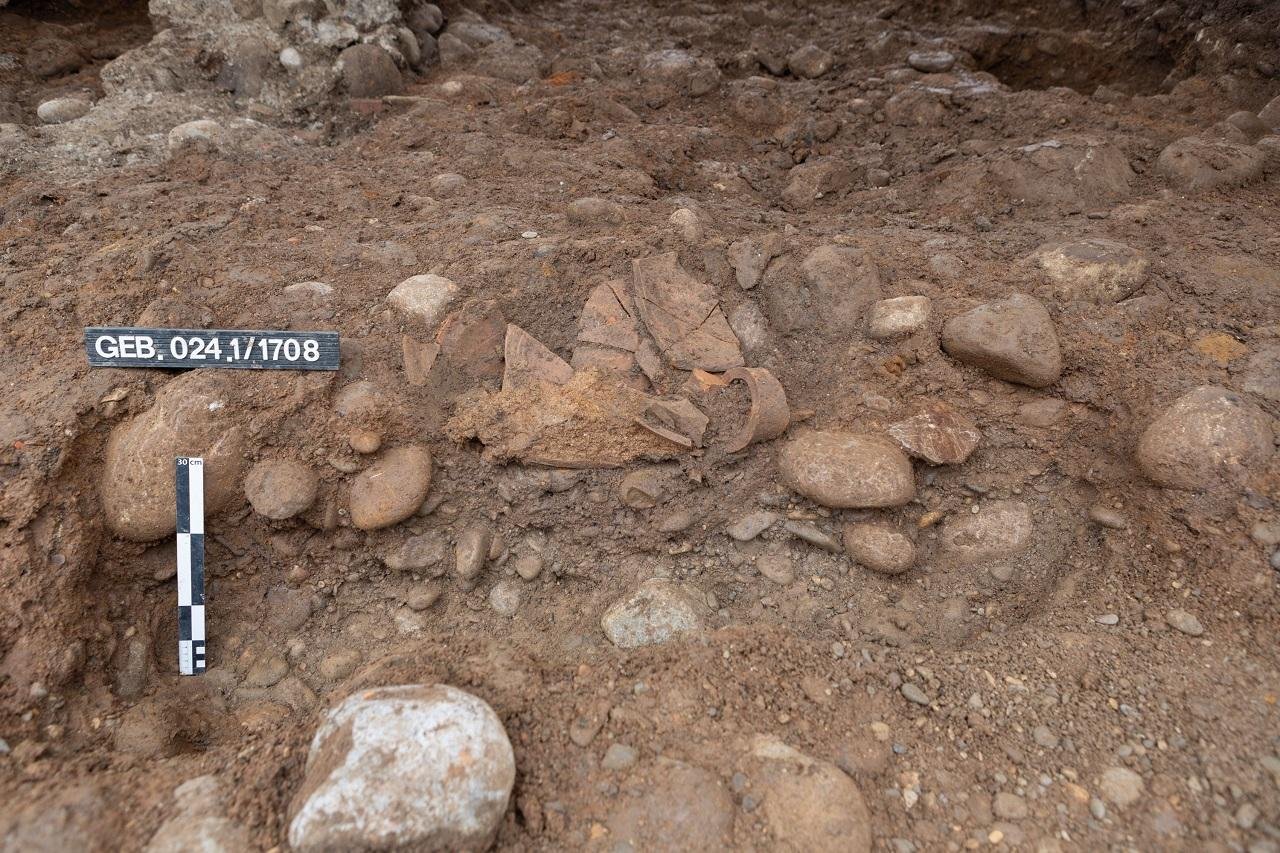
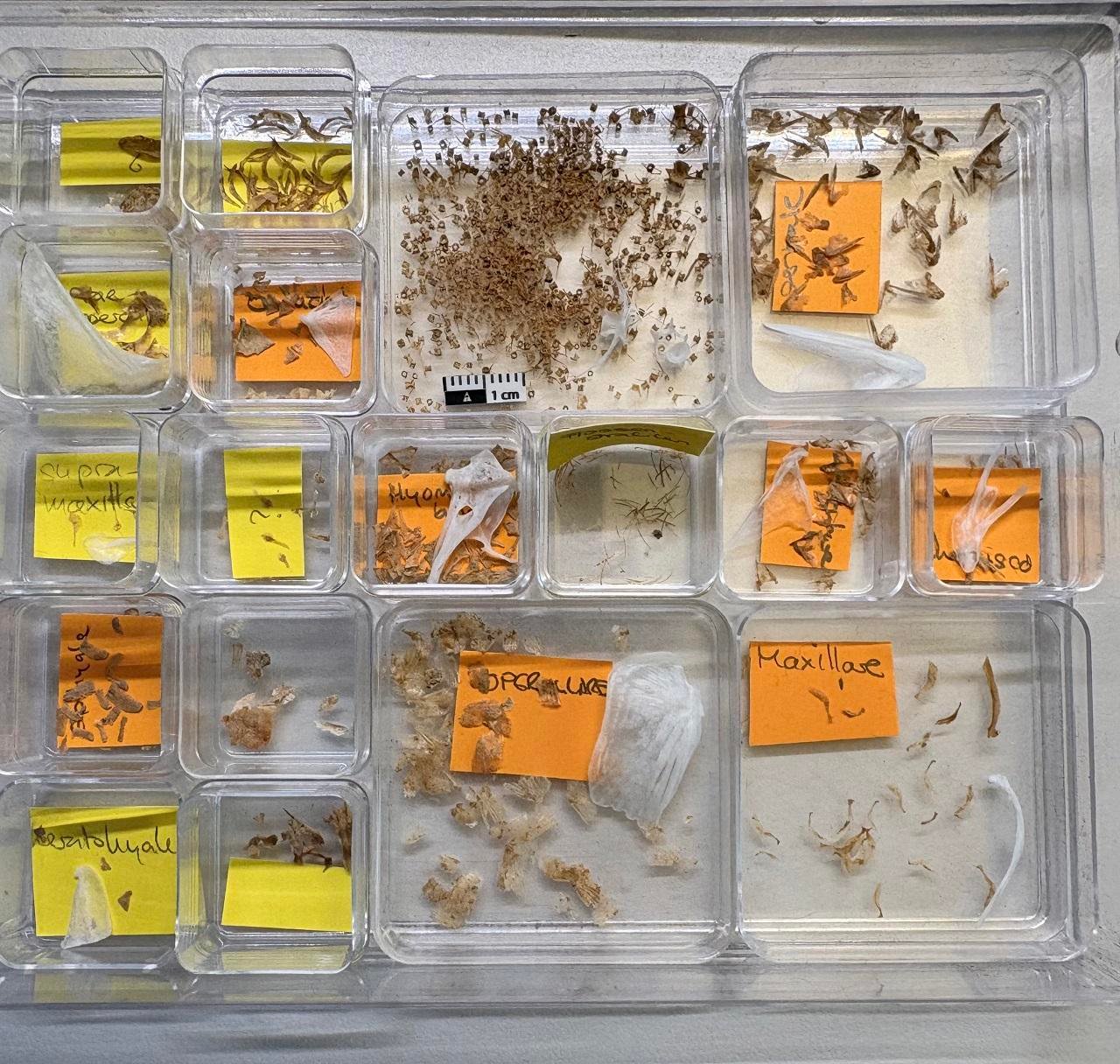
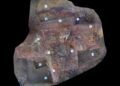
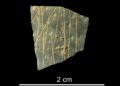
Among the discoveries, an intact amphora is a rare find. Although thousands of shards were found, only one vessel was found in its entirety, with a compact layer of sediment. The amphora was removed in a soil block and transferred to specialists, who later cleaned it using fine sieves at the University of Basel. The sediment contained small fish bones and scales from Sardina pilchardus, known as the Atlantic sardine. These findings are evidence that fish sauce, which was a widely traded condiment in Roman times, was imported to this area. The size of the fish suggests that it was young, which provides evidence for the first time that sardines were consumed in Roman Switzerland.
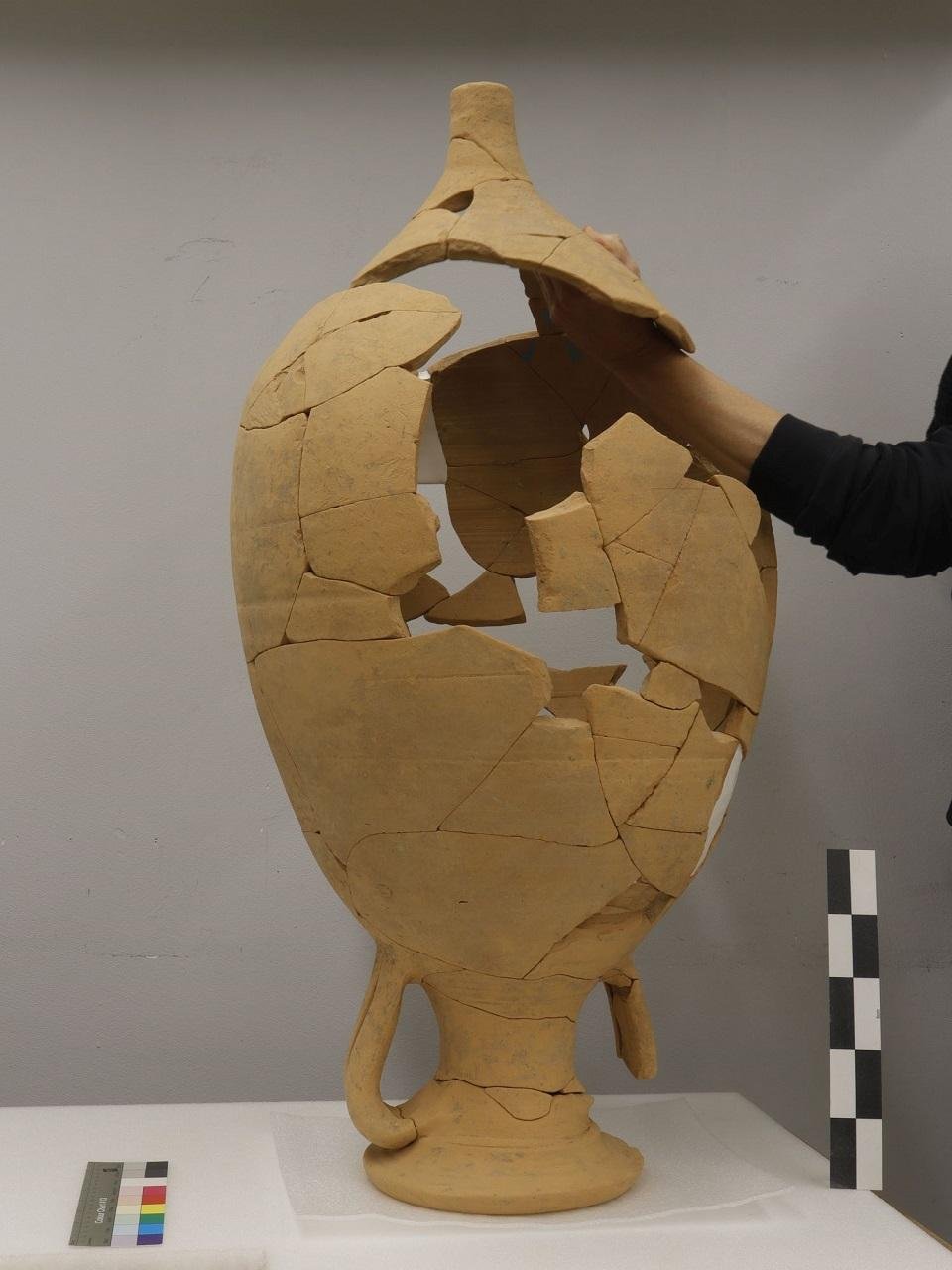
Analysis of the amphora’s clay indicates that it was possibly produced in a coastal area of Baetica, which is present-day Andalusia, but it also remains possible that it came from Roman Gaul. Based on shape comparisons, it has been determined that it was possibly produced between 25 and 50 CE, aligning with the broader distribution of fish-processing industries in the western Mediterranean.
A documentary film produced by the Cantonal Archaeology Department is now available to present the excavation process. This feature can be accessed on the official YouTube page of the Canton of Aargau:
More information: Kanton Aargau












Disclaimer: This website is a science-focused magazine that welcomes both academic and non-academic audiences. Comments are written by users and may include personal opinions or unverified claims. They do not necessarily reflect the views of our editorial team or rely on scientific evidence.
Comment Policy: We kindly ask all commenters to engage respectfully. Comments that contain offensive, insulting, degrading, discriminatory, or racist content will be automatically removed.