
New archaeological research places the active hunting of large whales in southern Brazil around 5,000 years ago, well before the earliest well-documented examples from the Arctic and North Pacific. The study, published in Nature Communications, draws on extensive analysis of whale bones and tools from coastal shell mound sites known as sambaquis in Babitonga Bay, Santa Catarina. The findings shift long-held views on where and when complex whaling practices emerged.
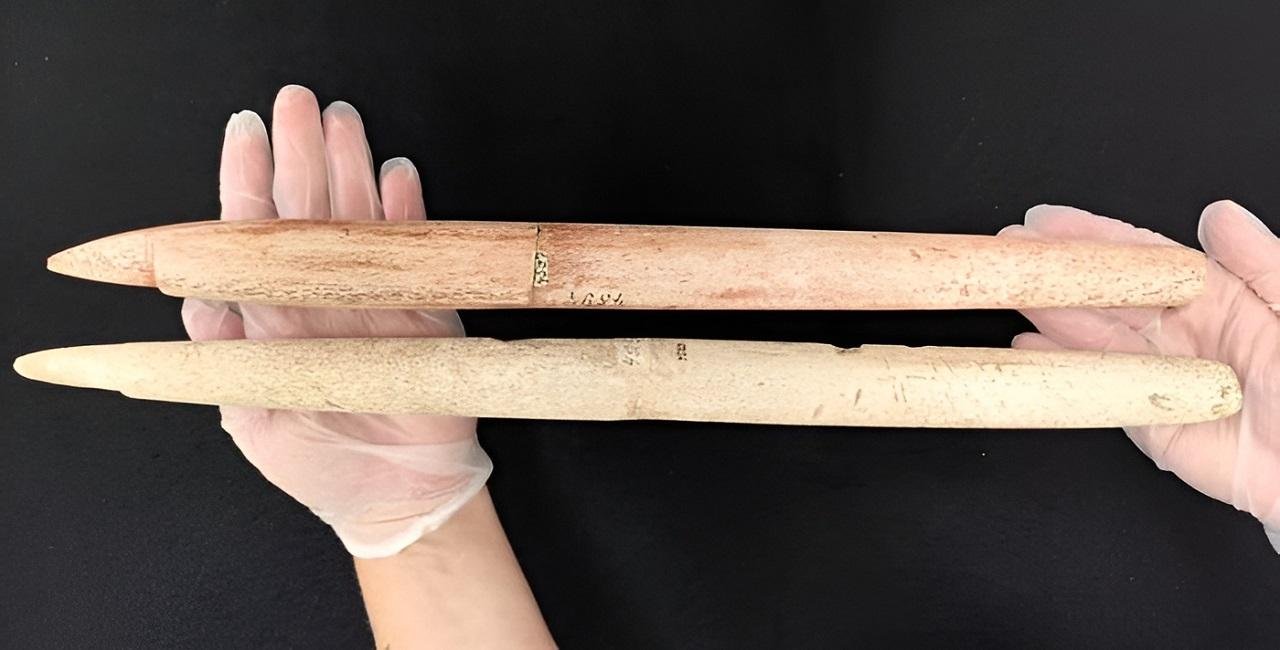
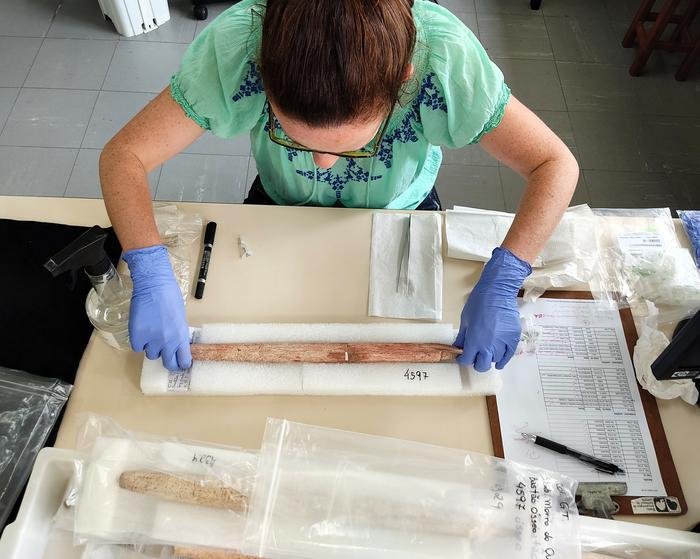
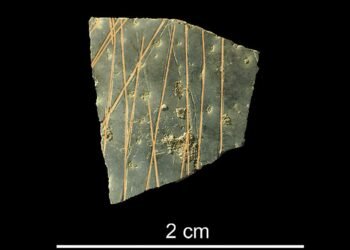
Archaeologists from the Universitat Autonoma de Barcelona and partner institutions examined museum collections from sites built by Indigenous communities during the Holocene. Many original sites no longer survive, which gives preserved collections unusual scientific value. Researchers studied hundreds of cetacean bones and bone tools using zooarchaeology, typological study, and molecular species identification through ZooMS. The work identified remains from southern right whales, humpback whales, blue whales, sei whales, sperm whales, and dolphins.
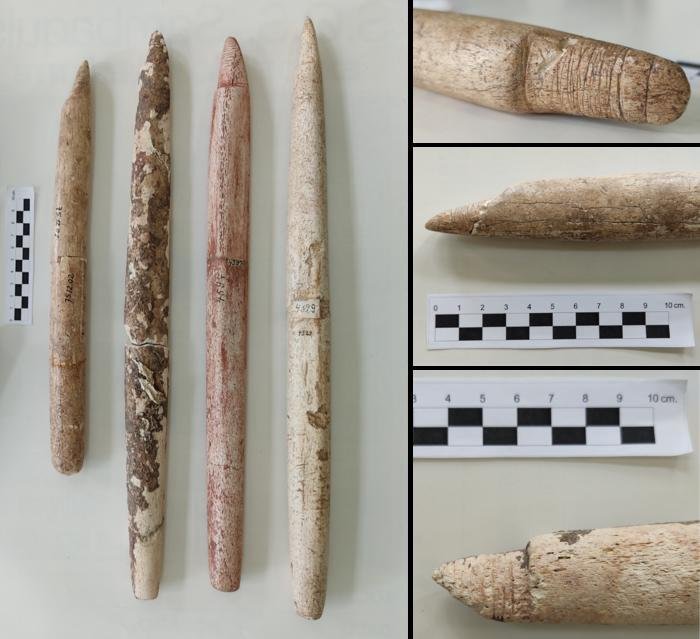
Clear cut marks linked to butchery appear on many large whale bones. Researchers also documented large harpoon components carved from whale ribs. Fifteen elements, including heads and foreshafts, show design features linked to active hunting, such as hollowed sections meant to hold wooden shafts and shaped tips for penetration. Radiocarbon dating of two harpoon foreshafts placed production between 4,710 and 4,970 years ago.
The association of hunting tools with abundant whale remains from the same species supports interpretation of organized whaling rather than exclusive use of stranded animals. Whale bones also appear in burial contexts, which points to social and ritual importance beyond food use. Together, these patterns indicate planning, shared labor, and technical knowledge suited to targeting very large marine animals close to shore.
Earlier archaeological research linked early whaling mainly to northern regions. In South Korea, deer bone harpoons date to around 6,000 years ago, while Arctic and sub-Arctic examples cluster between 3,500 and 2,500 years ago. Evidence from southern Brazil predates most northern cases and places large whale hunting in a subtropical Atlantic setting. This challenges assumptions linking early whaling only with cold or temperate northern environments.

Species identification adds ecological insight. Humpback whale remains appear in high numbers, which suggests breeding or calving activity in southern Brazil during the mid-Holocene. Present-day breeding areas lie farther north. Modern increases in sightings along the southern Brazilian coast may reflect long-term recolonization following industrial era population collapse. Reconstructing whale ranges before large-scale commercial hunting helps refine conservation baselines.
The study also revises understanding of sambaqui societies. These groups built massive shell mounds over generations and relied heavily on coastal resources. Evidence from Babitonga Bay shows economies extending well beyond shellfish gathering and fishing. Whaling required coordinated crews, seaworthy watercraft, and durable weapons. Such practices point to complex maritime organization and long-term occupation of the coast.
Only a minority of analyzed bones had been shaped into ornaments or tools, while most came from food remains. This balance supports interpretation of whales as staple resources rather than rare symbolic items. The presence of inshore whale species suggests hunts took place close to land, which fits coastal hunting strategies rather than open ocean pursuit.
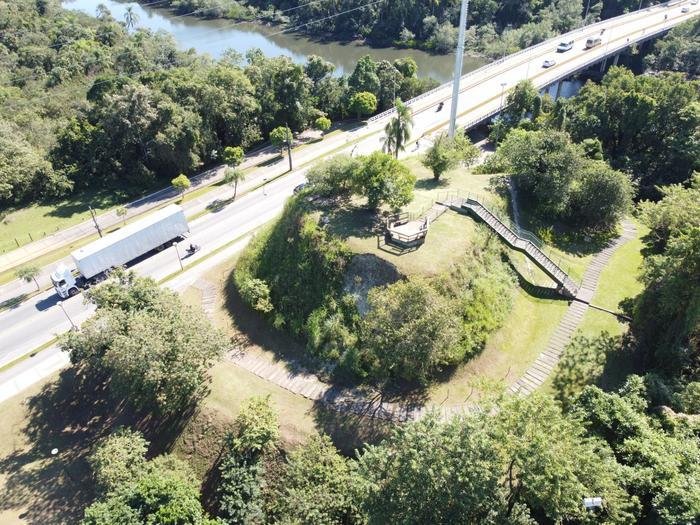
This research relies on collaboration between international scientists and Brazilian museums, especially the Museu Arqueológico de Sambaqui de Joinville. Curated collections, including material gathered decades ago, enabled new molecular and chronological work not available during earlier excavations. Preservation of remaining sambaqui sites remains critical, since urban development has already erased many locations.


















Disclaimer: This website is a science-focused magazine that welcomes both academic and non-academic audiences. Comments are written by users and may include personal opinions or unverified claims. They do not necessarily reflect the views of our editorial team or rely on scientific evidence.
Comment Policy: We kindly ask all commenters to engage respectfully. Comments that contain offensive, insulting, degrading, discriminatory, or racist content will be automatically removed.