
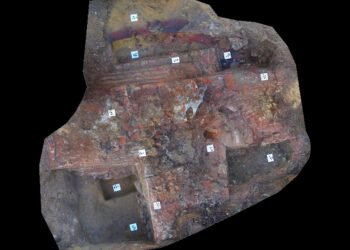
Archaeologists working in eastern England have identified an early medieval burial ground dating to the sixth and seventh centuries near Sizewell in Suffolk. The site emerged during archaeological surveys linked to road construction serving the Sizewell C nuclear power project. Excavations revealed at least 11 burial mounds, along with cremation and inhumation graves, arranged in a planned and organized layout on a raised area of land.
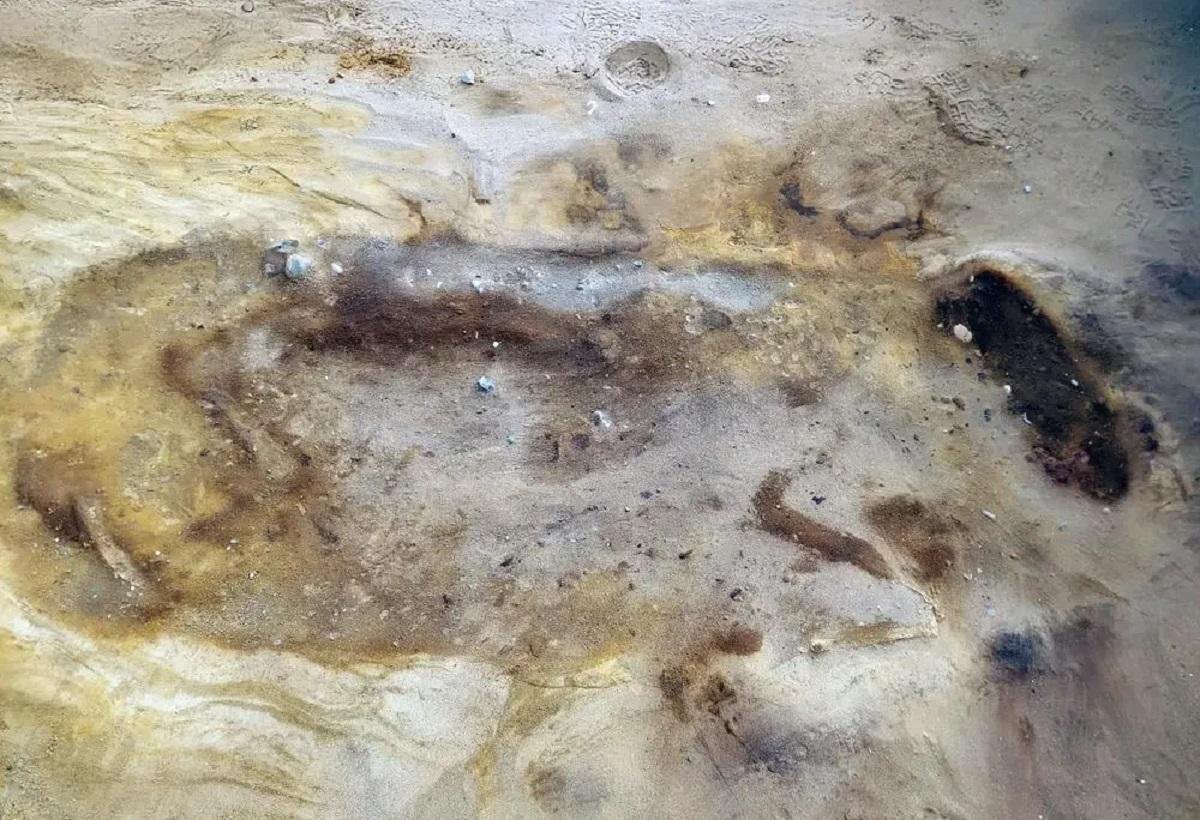
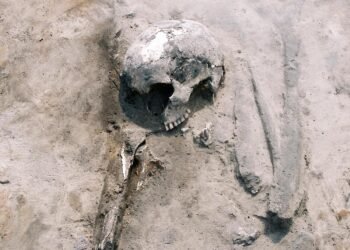
Acidic and sandy soil conditions destroyed most human and animal bone, yet clear outlines of bodies survived as sand silhouettes. One grave contained two adult individuals placed side by side. A nearby grave held the outline of a horse. Archaeologists recorded shapes, positions, and associated objects despite poor bone survival. Evidence suggests the two individuals died at the same time, although age and sex remain uncertain.
Grave goods indicate high social rank. The paired burial included weapons such as swords and a spear, along with personal objects including a metal bowl and cup. The horse burial contained bridle fittings, harness elements, copper alloy decorations, and an iron bit positioned in the mouth. The animal still wore riding gear at burial, which supports interpretation of ritual sacrifice linked to elite funerary practice. Burial within mounds, combined with weapons, horse equipment, and metal objects, aligns with elite traditions known from early medieval England.
Researchers compare the burial customs with high-status cemeteries at Sutton Hoo, Snape, and Prittlewell. Such sites reflect leadership groups during a period when eastern England consisted of several competing kingdoms. The Sizewell cemetery adds new evidence for social organization, ritual behavior, and landscape use during early Anglo-Saxon times.
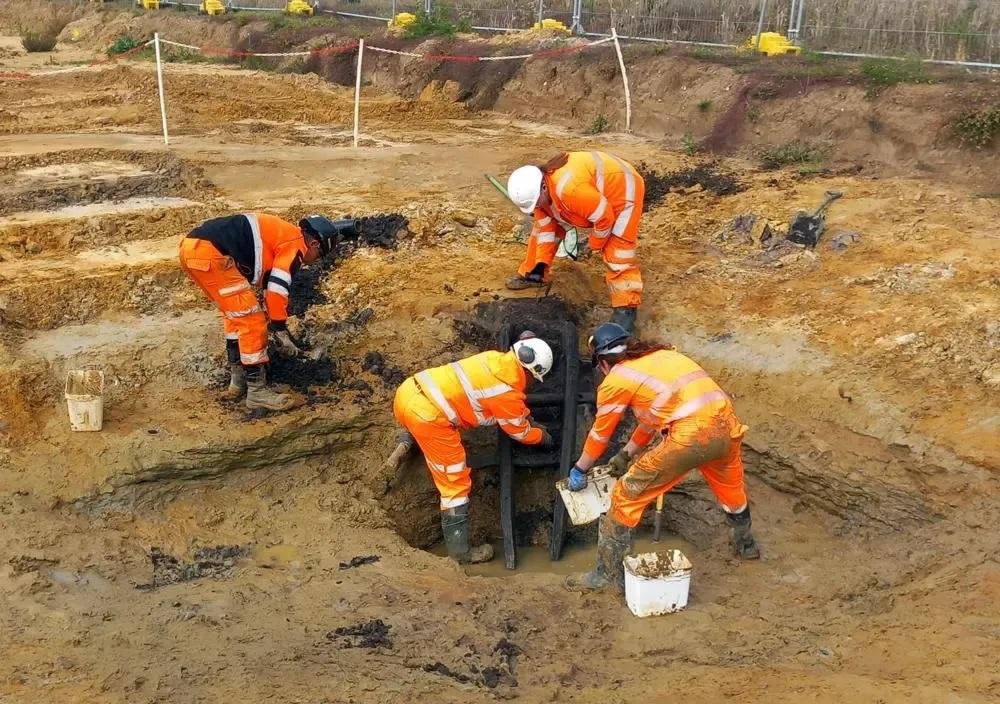
Excavations near the cemetery uncovered further traces of settlement activity. Loom weights and building remains suggest domestic life near burial areas. This pattern indicates close relationships between daily activity and mortuary space. Archaeologists also documented features from many earlier and later periods, which confirms long-term occupation of the Suffolk coast.


Finds from other phases include a Roman period pottery kiln dating between the first and fourth centuries CE. Teams recovered a rare oak ladder from the Iron Age, dated between 800 BCE and CE 50. Evidence of Bronze Age farming, Beaker culture cremation practices, medieval ovens, Roman salt production, and World War II defensive structures also appeared across the project area.
In 2023, archaeologists recovered a hoard of more than 300 silver coins from the eleventh century near the same construction zone. The coins had been wrapped in cloth and lead, which points to deliberate concealment during a period of unrest. The hoard likely served as personal savings hidden for protection.
Archaeological work connected to the Sizewell C development involves roughly 200 specialists investigating about 70 sites across nearly 500 acres. Combined discoveries document human activity spanning tens of thousands of years, from prehistoric tool use to medieval industry. Many artifacts will enter the Suffolk County archive before transfer to museums and research collections, where ongoing study will expand knowledge of eastern England’s complex past.
More information: Oxford Cotswold Archaeology













Disclaimer: This website is a science-focused magazine that welcomes both academic and non-academic audiences. Comments are written by users and may include personal opinions or unverified claims. They do not necessarily reflect the views of our editorial team or rely on scientific evidence.
Comment Policy: We kindly ask all commenters to engage respectfully. Comments that contain offensive, insulting, degrading, discriminatory, or racist content will be automatically removed.