
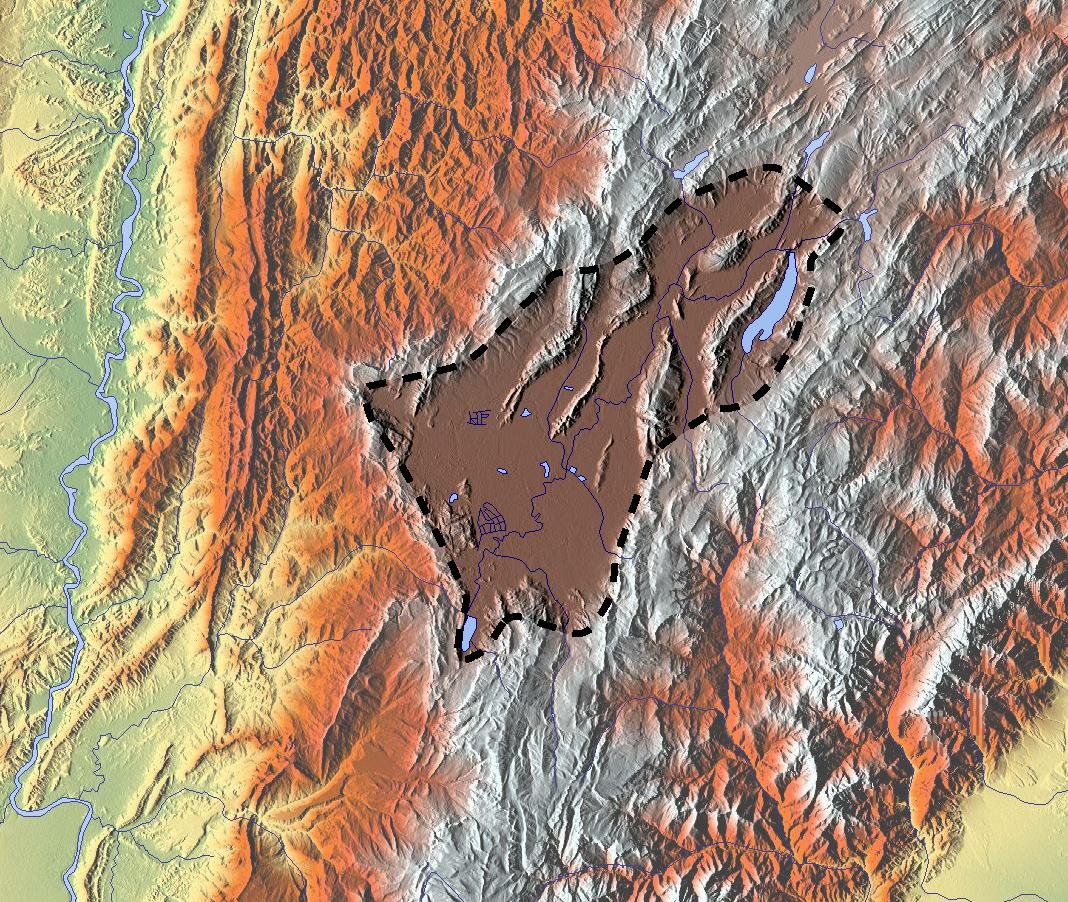
Scientists recovered the oldest known genome of Treponema pallidum from human remains dated to about 5,500 years ago in the Sabana de Bogotá region of Colombia. Treponema pallidum includes bacteria responsible for syphilis, yaws, and bejel, along with related skin infections. The study, published in Science, extends the genetic record of this pathogen by more than 3,000 years and places treponemal infections in the Americas long before outbreaks recorded in Europe.
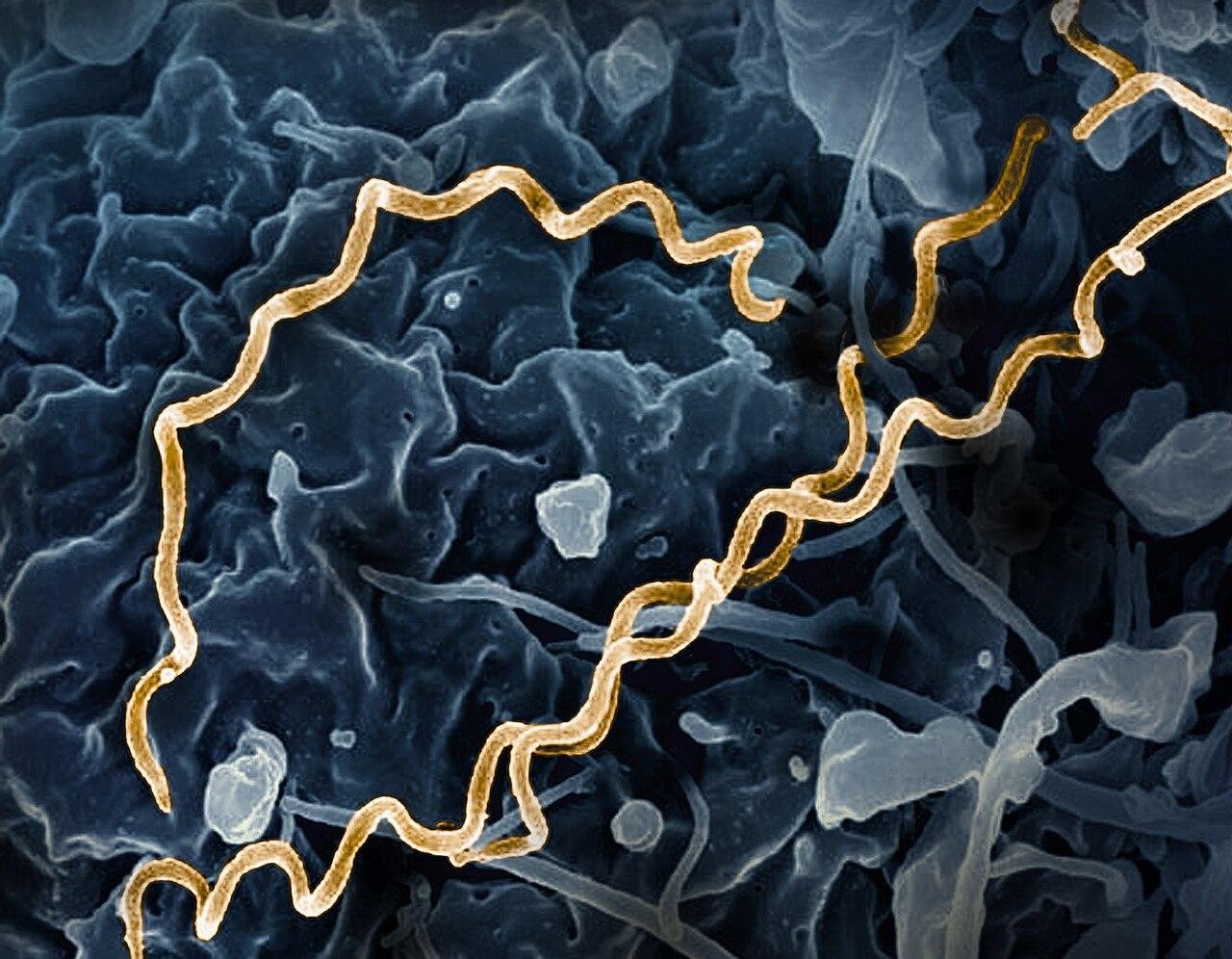
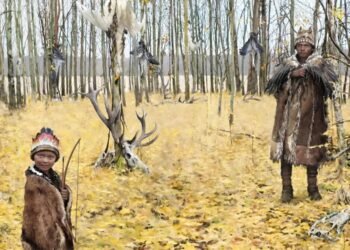
The remains belonged to a middle aged hunter gatherer buried in a rock shelter. Archaeological data show small and mobile communities lived in the region during this period, before intensive farming and dense settlements. Researchers extracted ancient DNA from a tibia, a bone rarely selected for pathogen research. The skeleton showed no visible lesions linked to treponemal disease. Genetic screening still revealed traces of Treponema pallidum during deep sequencing originally designed to study human population history. The dataset contained about 1.5 billion DNA fragments, a volume large enough to recover a bacterial genome without targeted enrichment.
Genomic analysis shows the ancient strain belongs to Treponema pallidum yet differs from all known modern subspecies. Statistical modeling indicates a split from other known lineages around 13,700 years ago. Modern subspecies linked to syphilis, yaws, and bejel diverged around 6,000 years ago. These dates point to broad genetic diversity among treponemal pathogens in the Americas during the Late Pleistocene and early Holocene.
Earlier ancient DNA studies identified Treponema pallidum in individuals from Chile, dated to around CE 1000, and from Brazil, dated between 350 BCE and CE 570. The Colombian genome predates those cases by several thousand years. Taken together, these results weaken older ideas tying the origin of syphilis only to events linked with European contact during the fifteenth century. Genetic evidence instead supports a long and complex history of treponemal infections among Indigenous populations in the Americas.
Uncertainty remains regarding transmission routes and disease expression in early populations. The ancient genome shares many genetic traits linked with pathogenicity in modern strains, yet patterns of spread and symptoms likely differed across regions and periods. Some researchers suggest the Colombian lineage resembles an ancestral form related to pinta, a skin disease reported in parts of Central and South America. No confirmed genome for the pinta agent exists, which leaves this proposal unresolved.


The study highlights the role of paleogenomics in research on infectious disease history. Treponemal bacteria show limited genetic variation despite different disease outcomes, which complicates reconstructions based only on skeletal evidence. Recovery of pathogen DNA from bones without visible lesions expands the range of material suitable for future work.
Before publication, the research team consulted Colombian scholars, students, and community members and obtained all required permits. Collaboration with local groups supported careful interpretation of findings connected to regional medical and cultural history. The ancient genome now provides a reference point for studies on how treponemal pathogens diversified and adapted alongside human populations across thousands of years.














Disclaimer: This website is a science-focused magazine that welcomes both academic and non-academic audiences. Comments are written by users and may include personal opinions or unverified claims. They do not necessarily reflect the views of our editorial team or rely on scientific evidence.
Comment Policy: We kindly ask all commenters to engage respectfully. Comments that contain offensive, insulting, degrading, discriminatory, or racist content will be automatically removed.