
A doctoral dissertation at the University of Gothenburg has examined the social role of Nordic Bronze Age rock art in Bohuslän, Sweden, providing new insights into the people behind these carvings. Researchers have studied these images for over two centuries, but the identities and functions of their creators remained unclear. Julián Moyano Di Carlo’s dissertation addresses this gap by focusing on the individuals who made the carvings and their influence on Bronze Age society.
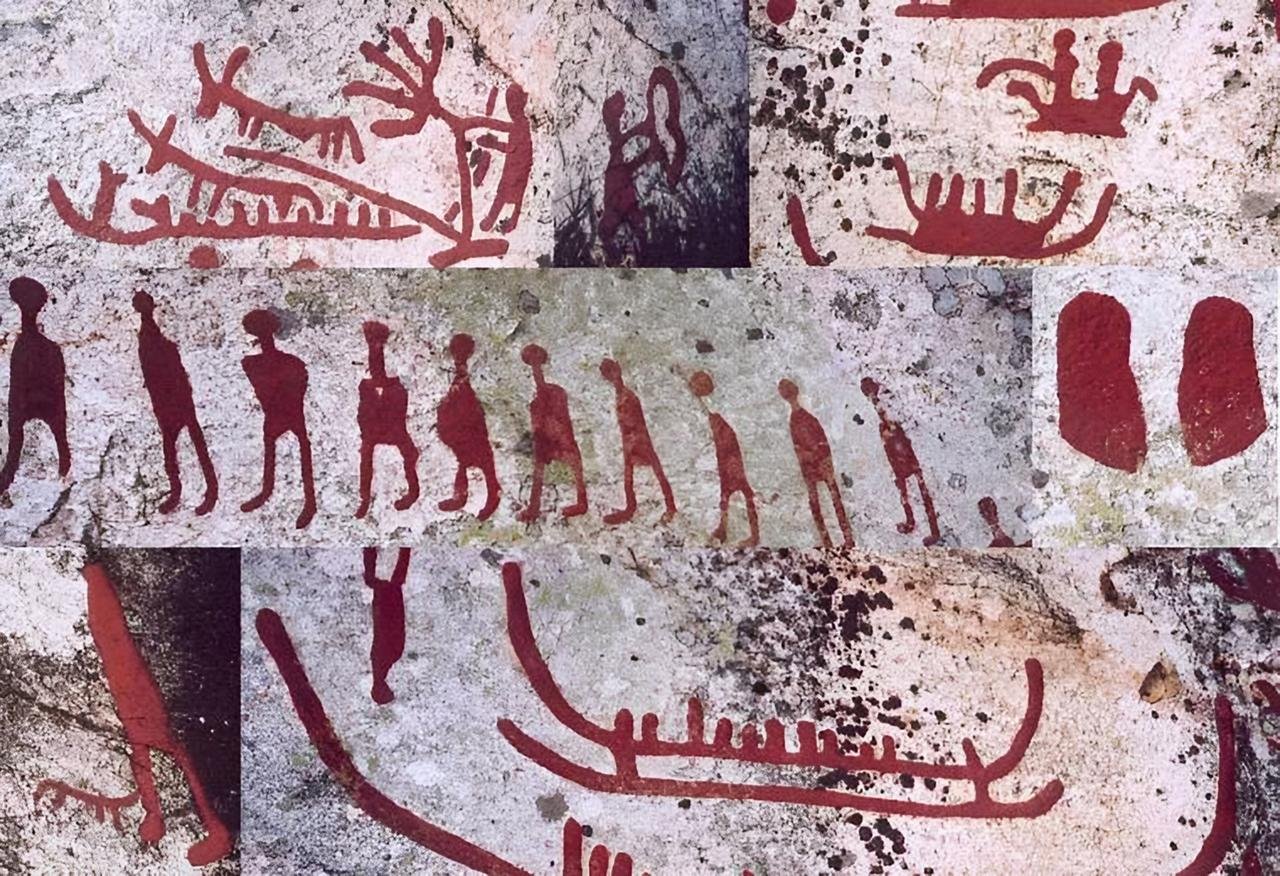
He proposes that a small group of master carvers controlled the production of rock art, overseeing both technical skills and ritual knowledge. These carvers also guided the transmission of this knowledge to future generations. According to his research, the figures were not only expressions of cultural or religious ideas but also tools for social and political influence within communities.
The study analyzed variations in form, placement, and association of carvings, combining social theory, cross-cultural comparisons, precise 3D documentation, and statistical analysis. The results indicate that the development of rock art in Bohuslän was gradual, likely due to the reliance on conservative traditions maintained by a limited number of skilled individuals. These carvers determined both the choice of motifs and the placement of carvings, favoring locations near water and geologically suitable rocks.
Moyano Di Carlo identifies two main purposes for these sites. Smaller panels scattered across the landscape were likely used during rituals connected to boat construction and launching. Large panels, by contrast, were probably created during gatherings associated with maritime activities. These gatherings may have facilitated mobility, exchange of knowledge among carvers, and the establishment of a consistent regional style.
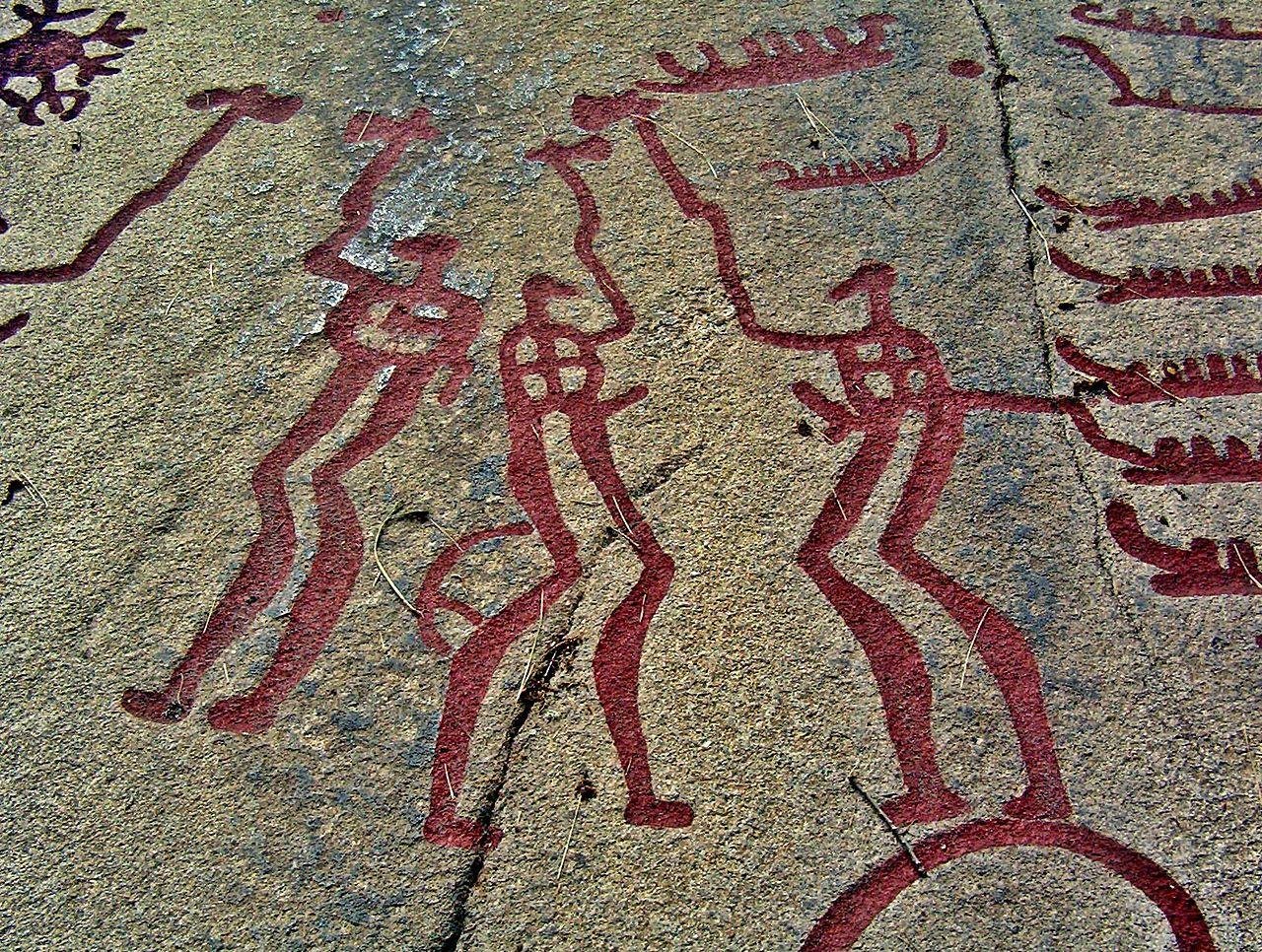
The research suggests that carving skills were transmitted through apprenticeship systems, in which less experienced individuals learned from skilled peers. This system reinforced both the elitist nature of rock art and the conservative maintenance of traditional practices. The findings point to carvers as active agents in Bronze Age sociopolitical structures, shaping both ritual and social hierarchies.


Moyano Di Carlo’s dissertation, “Masters of Water and Stone—Exploring the Social Role of Rock Art Carvers in Nordic Bronze Age Societies,” highlights the importance of rock art as a primary source for understanding ancient social dynamics. By revealing the role of carvers as both ritual specialists and political actors, the study provides a detailed framework for future research on the social and cultural significance of Bronze Age rock art.














Disclaimer: This website is a science-focused magazine that welcomes both academic and non-academic audiences. Comments are written by users and may include personal opinions or unverified claims. They do not necessarily reflect the views of our editorial team or rely on scientific evidence.
Comment Policy: We kindly ask all commenters to engage respectfully. Comments that contain offensive, insulting, degrading, discriminatory, or racist content will be automatically removed.