
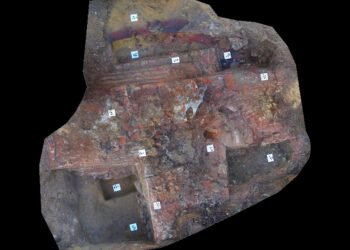
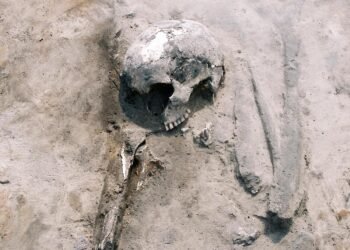
Archaeologists from Oxford Cotswold Archaeology completed a large-scale excavation of a Roman cemetery linked to the fort and settlement at Brougham in Cumbria. The work formed part of the A66 Northern Trans-Pennine Project and focused on burial activity close to the northern edge of Roman control in Britain. Earlier roadworks during the 1960s revealed parts of the cemetery, though the recent investigation exposed the full scale of burial practices across the area.
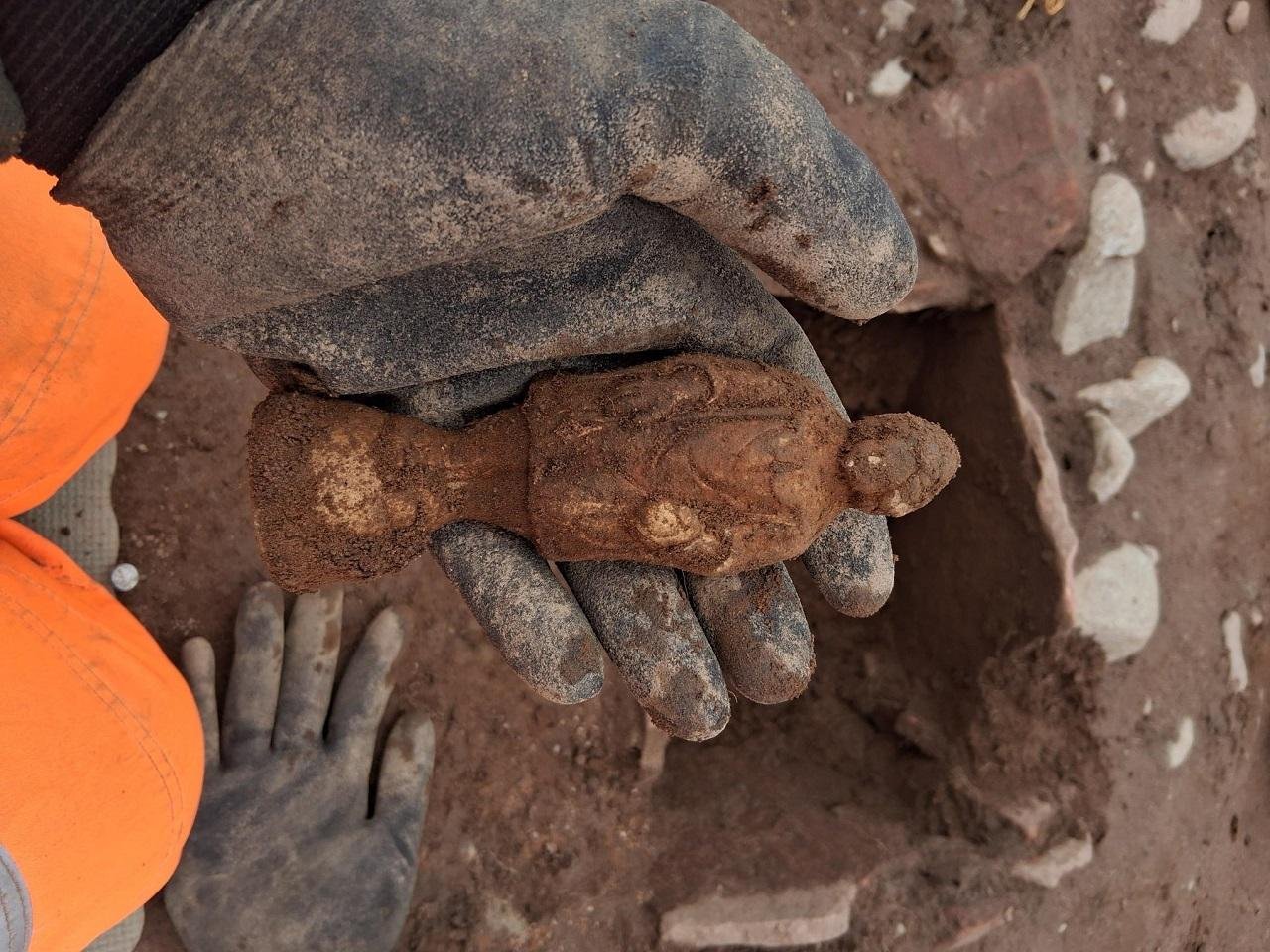
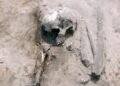
The excavation revealed several hundred graves, including both inhumation and cremation burials. Cremation graves appeared in many forms. Some held ashes placed directly within pits alongside charcoal from funeral pyres. Others contained cremated bone within ceramic urns, wooden containers, or stone-lined cists built from local red sandstone. Pyre sites and ash pits near several graves offered additional evidence for funerary rituals conducted on site.
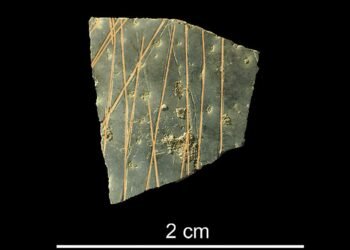
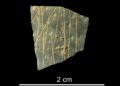
Grave furnishings varied widely. Some cremations included minimal deposits with few objects. Other burials contained pottery, glass vessels, bronze items, jewelry, and occasional military equipment or weapons. Complete glass cups, decorated pottery, and samian ware bearing maker’s stamps stood out among the finds. Carved fragments of animal bone used as decorative inlays appeared inside several graves, likely once attached to wooden boxes or biers. A black burnished jar produced in Dorset pointed to long-distance supply routes and organized distribution networks operating across northern Britain.
Excavation teams applied careful methods suited to fragile remains. Archaeologists removed soil in thin layers using small hand tools. All excavated material underwent wet sieving in order to recover small objects and fragments of cremated bone. Each burial received repeated photographic and drawn records during every stage of excavation. Survey teams recorded the position of vessels and objects using GPS before lifting.
Many cremation vessels underwent block lifting for laboratory study. Specialists excavated contents under controlled conditions in layers measuring two centimeters. This approach allowed precise recording of bone fragments, metal pieces, glass, and soil composition within each layer. Osteoarchaeological analysis provided information on age, biological sex, and disease for several individuals, even when preservation remained limited. Burnt metal and glass fragments suggested personal items placed on funeral pyres alongside the deceased. Some vessels lacked human bone and likely served symbolic roles, possibly once holding food or other organic offerings.
The cemetery at Brougham offers a detailed record of burial traditions practiced along Rome’s northern frontier. The combination of cremation forms, grave goods, and careful excavation data provides insight into social variation, ritual choices, and connections between military and civilian communities during the Roman period in Britain.
More information: Oxford Cotswold Archaeology





Disclaimer: This website is a science-focused magazine that welcomes both academic and non-academic audiences. Comments are written by users and may include personal opinions or unverified claims. They do not necessarily reflect the views of our editorial team or rely on scientific evidence.
Comment Policy: We kindly ask all commenters to engage respectfully. Comments that contain offensive, insulting, degrading, discriminatory, or racist content will be automatically removed.