
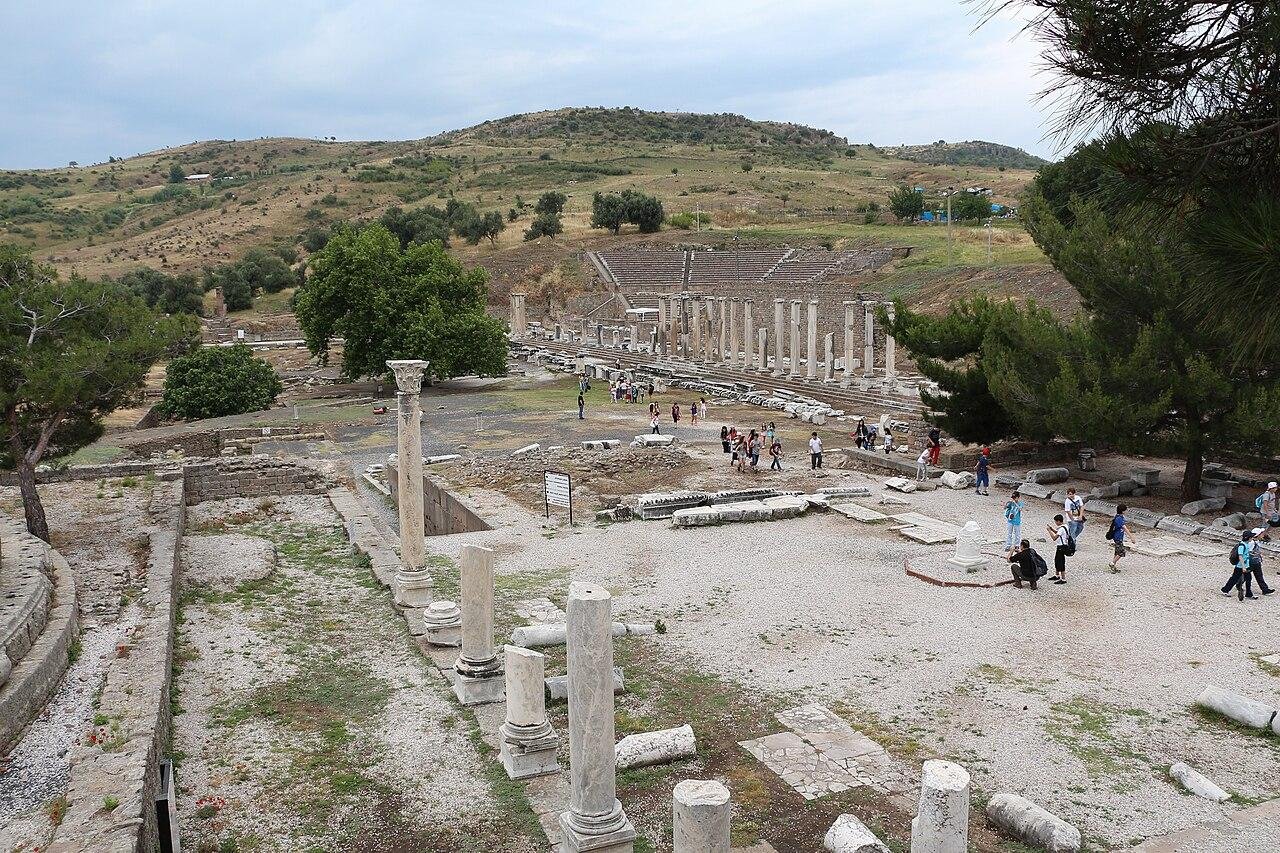
Chemical analysis of residue inside a small Roman glass vial has produced the first direct physical evidence that human feces formed part of a medical treatment in antiquity. Researchers studied a sealed unguentarium recovered from a tomb in Pergamon, a major medical center of the Roman world during the second and third centuries.
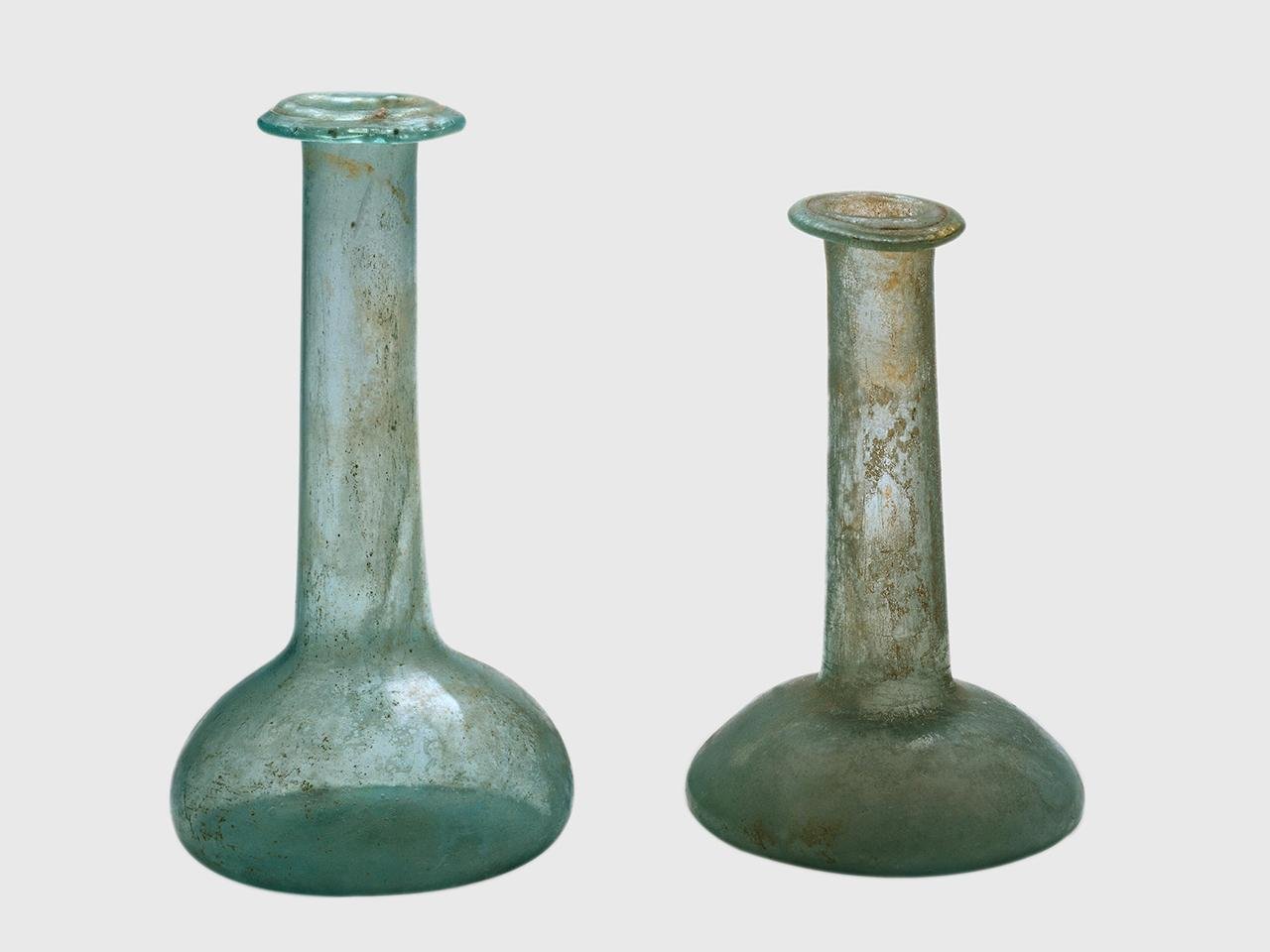
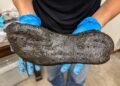
The vessel, now kept in the Bergama Archaeology Museum in Turkey, still contained dark brown flakes clinging to its interior. Archaeologists noticed similar traces in several stored glass containers, yet only this example preserved enough material for full testing. The team removed a small sample and ran gas chromatography and mass spectrometry to identify its molecular makeup.
Results revealed two key compounds, coprostanol and 24-ethylcoprostanol. These substances form in the digestive systems of animals that process cholesterol. Their relative proportions pointed to a human source. Alongside these fecal biomarkers, the researchers detected aromatic molecules, including carvacrol, a major component of thyme oil.
Ancient medical writers described mixing strong-smelling herbs with unpleasant ingredients to make remedies more acceptable. The chemical pairing of fecal matter and thyme matches those instructions. Pergamon also connects closely with the physician Galen, who recorded treatments based on dung for inflammation, infections, and certain reproductive conditions. Texts from Dioscorides and Pliny the Elder list similar prescriptions.

Small glass unguentaria often appear in graves and settlements across the Roman Empire. Scholars usually label them perfume or oil containers. This study shows some held complex medicinal mixtures instead. In Roman practice, boundaries between cosmetics, hygiene, and therapy often overlapped. A scented preparation could serve both social and clinical roles.
RelatedStories


Iron Age mass killing in Serbia: 77 women and children found in 2,800-year-old grave at Gomolava
Direct evidence for dung-based medicine has remained rare because organic material breaks down easily over time. Cultural discomfort with the topic has also limited research. By combining laboratory chemistry with close study of ancient texts, the team built a clearer picture of how such remedies were prepared and used.
The presence of thyme indicates deliberate odor control rather than accidental contamination. This detail supports the view that practitioners managed the sensory qualities of treatments with care. Smell carried diagnostic and symbolic meaning in ancient medicine, and fragrance helped shape patient experience.
These findings add firm archaeological data to written accounts that historians have long debated. The residue inside one small bottle now confirms that at least some Roman healers followed through on recipes that modern readers often dismiss as theoretical or symbolic.













Disclaimer: This website is a science-focused magazine that welcomes both academic and non-academic audiences. Comments are written by users and may include personal opinions or unverified claims. They do not necessarily reflect the views of our editorial team or rely on scientific evidence.
Comment Policy: We kindly ask all commenters to engage respectfully. Comments that contain offensive, insulting, degrading, discriminatory, or racist content will be automatically removed.