
A recent study in the journal Telestes presents a systematic analysis of dance scenes in South African rock art, offering new insight into San cultural practices. The research, led by Joshua Kumbani and Margarita Diaz-Andreu, examines painted scenes across several regions, drawing on published literature, ethnographic records, and data from the South African Rock Art Digital Archive. The work focuses on how different forms of dance appear in rock paintings and what such scenes reveal about ritual, social life, and performance among San hunter-gatherer groups.
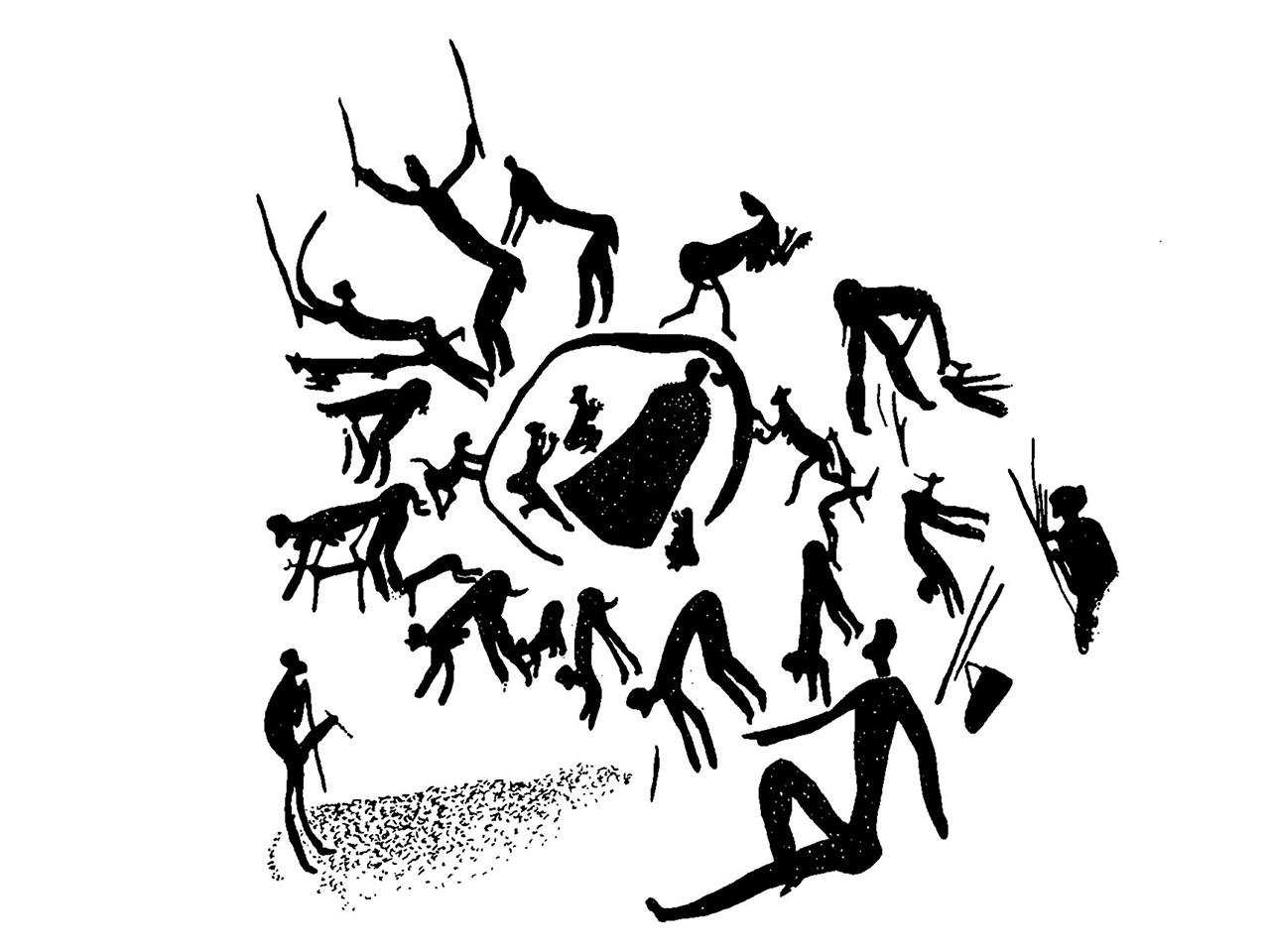
South Africa holds one of the largest and best documented bodies of rock art in southern Africa. For more than a century, scholars have studied these paintings as sources for belief systems, healing practices, and social organization. Dance scenes form one of the most frequent motifs. Previous publications often mentioned such scenes briefly, yet lacked a structured classification. This study addresses that gap by grouping dance imagery into clear categories supported by ethnographic comparison.
The analysis covers material from KwaZulu-Natal, Free State, Eastern Cape, and Western Cape provinces. Across all regions, trance dances appear most often. Seventeen clear examples appear in the dataset, with a strong concentration in KwaZulu-Natal. These scenes show features linked to trance rituals described in ethnographic sources, including dancers arranged in circles, women clapping and singing, bent postures, bleeding from the nose, use of dance sticks, and partial transformation into animal forms.
Girls’ initiation rituals, often described as eland dances, appear less frequently yet still form a significant group. One notable example comes from the Namahali site in the Free State. The scene shows women leaning forward in coordinated movement, a posture associated with initiation ceremonies. Another group nearby holds digging sticks, objects linked in historical records to rainmaking rituals and food gathering. Such combinations suggest overlapping meanings rather than single purpose performances.
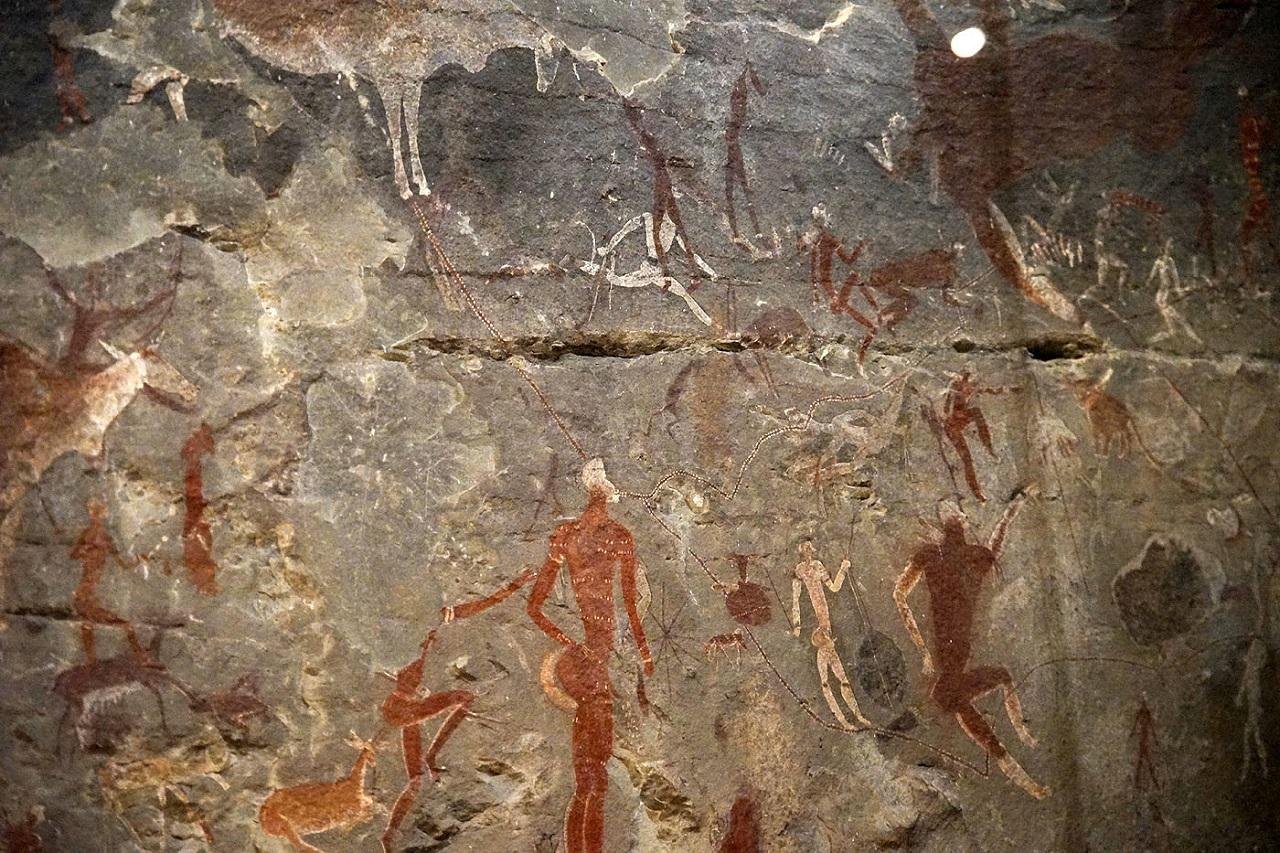
Male initiation rituals appear rarely in the rock art record. Only one distinct example occurs in the Western Cape. Other regions show little visual evidence for such ceremonies. The authors suggest deliberate secrecy as one possible explanation, since some initiation rites restricted access even within San communities.
The study also addresses dances linked to leisure rather than ritual. Clear visual markers for entertainment dances appear less often. Ethnographic accounts describe early stages of trance dances as lively and social, with music and laughter present. Such descriptions suggest a shared space between ritual and enjoyment, which complicates strict classification based on imagery alone.
Several painted scenes include musical instruments such as flutes or bows placed near dancers. Ethnographic sources rarely connect these instruments with trance healing rituals. Their presence raises questions about whether certain scenes represent non-ritual performances or mixed social events. The study presents this issue as an area for further investigation rather than a settled interpretation.
By cataloging and comparing dance imagery across regions, the research strengthens methodological approaches within rock art studies and music archaeology. The authors argue that painted scenes preserve moments of healing, initiation, and communal gathering often absent from written records. Future work aims to extend this approach beyond South Africa to other parts of southern Africa, including Namibia, where related traditions appear in the archaeological record.






Disclaimer: This website is a science-focused magazine that welcomes both academic and non-academic audiences. Comments are written by users and may include personal opinions or unverified claims. They do not necessarily reflect the views of our editorial team or rely on scientific evidence.
Comment Policy: We kindly ask all commenters to engage respectfully. Comments that contain offensive, insulting, degrading, discriminatory, or racist content will be automatically removed.