
For centuries, the seabed of the Sound—the narrow strait separating Denmark and Sweden—had been hiding an exceptional witness to medieval commerce. Maritime archaeologists from the Viking Ship Museum in Denmark have now brought to light the remains of the world’s largest known cog, a medieval cargo ship whose unparalleled size and preservation are transforming knowledge about shipbuilding, seafaring, and trade in Northern Europe at the beginning of the 15th century.

The wreck was found during seabed surveys in connection with the construction of Copenhagen’s new Lynetteholm district. Carefully removing layers of sand and silt, the researchers realized they had not found a regular shipwreck but an exceptionally large cog, the dominant cargo vessel of the Middle Ages, named Svælget 2 after the nearby channel. It is estimated to be about 28 meters in length, 9 meters in width, and 6 meters in height, capable of carrying approximately 300 tons of cargo. Dendrochronological analysis has revealed that it was built around 1410.
Such dimensions far exceed those of the previously known cogs and point to a highly organized trading economy. Reliable markets, established trade routes, and high financial investment were required for vessels of this size. Large cogs such as Svælget 2 were designed for efficient bulk transport of salt, timber, bricks, and staple foodstuffs, making everyday commodities central to long-distance trade rather than rare luxuries.
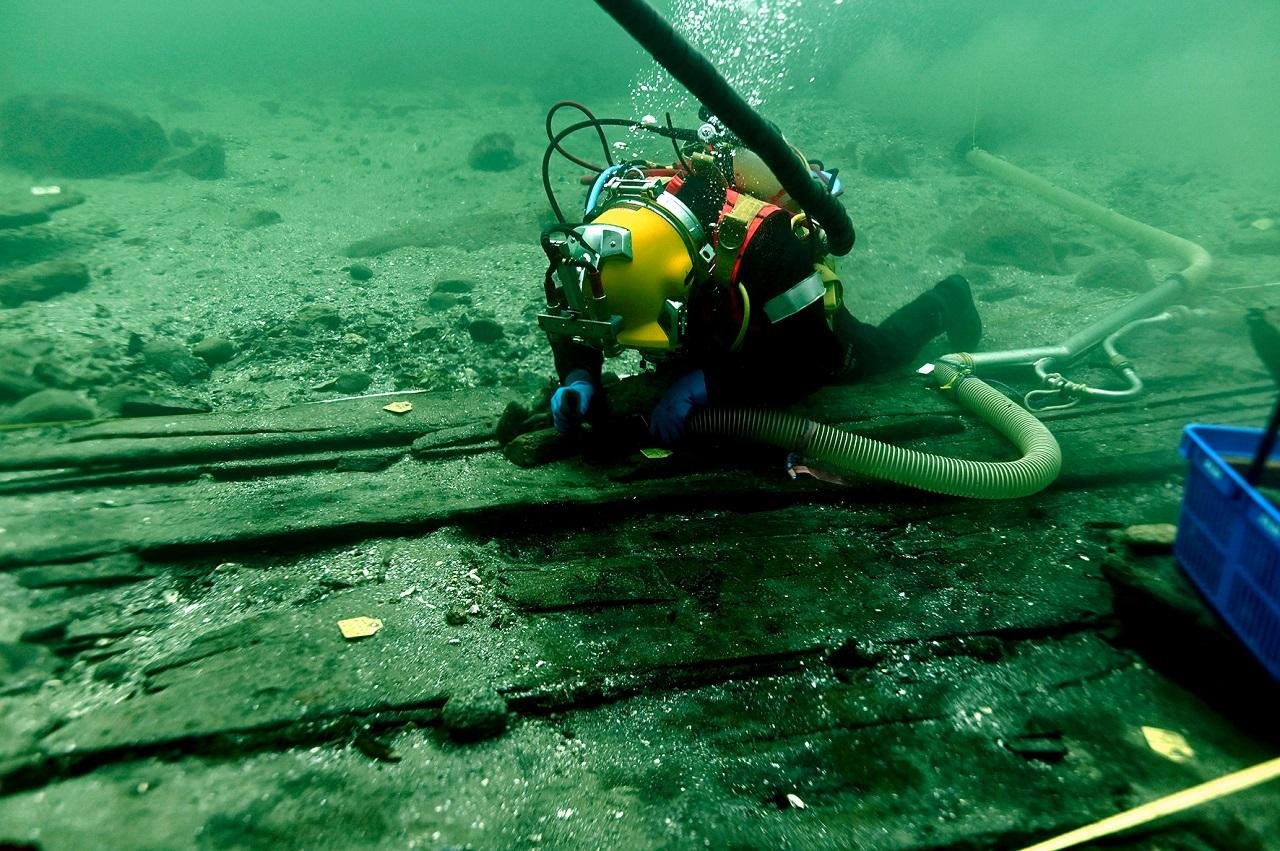
Tree-ring studies also illustrate the international provenance of the ship: the hull planking was made of oak from Pomerania, in modern Poland, while the frames were made of timber grown in the Netherlands. Taken together, heavy materials must have been brought in and then assembled in major shipbuilding centers that had the technical skill to build such large vessels, a testament to the sophistication of medieval supply chains.
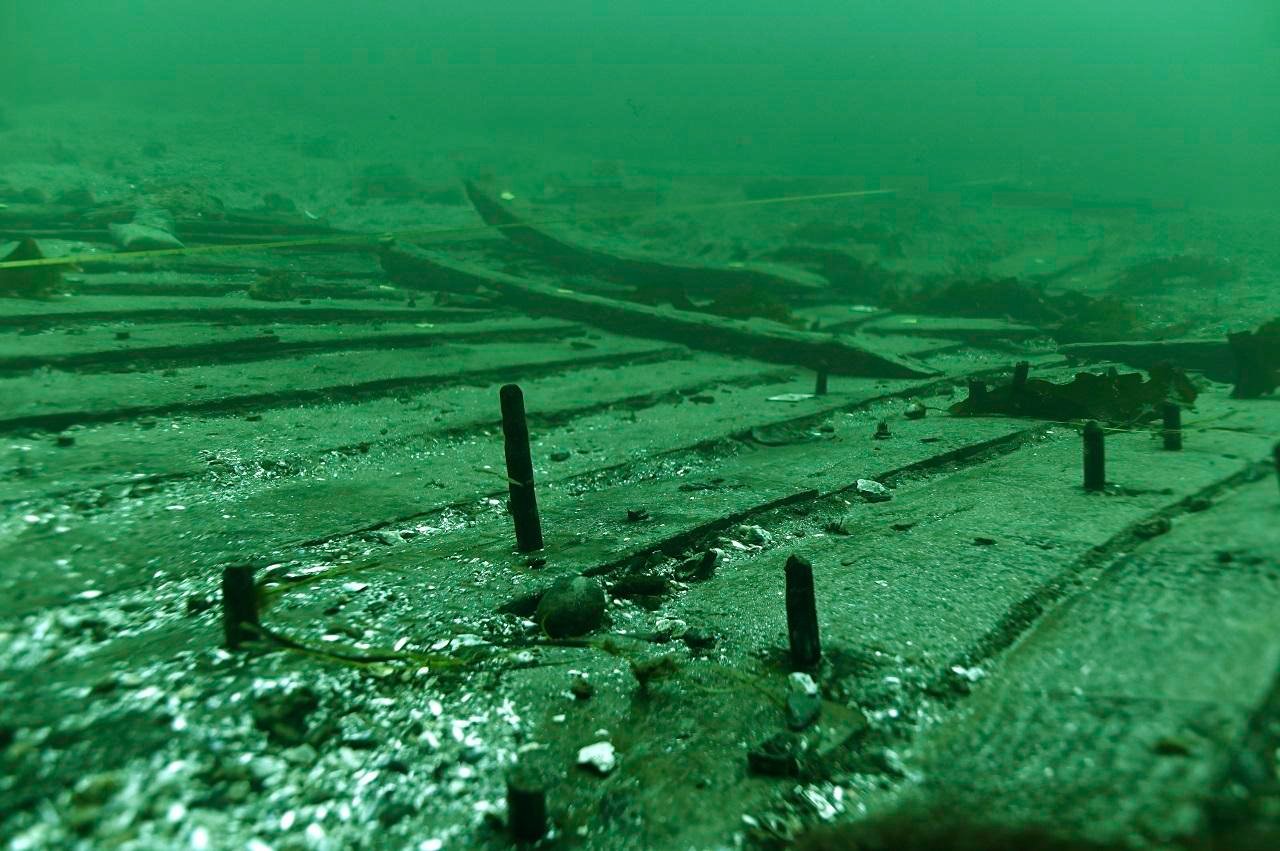
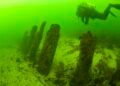
Equally remarkable is the state of preservation of the ship. Lying at a depth of about 13 meters, Svælget 2 was protected from destructive wave action. The starboard side survives almost intact from keel to gunwale, preserving rare elements of the rigging. These remains offer new insight into how sails, masts, and ropes were arranged on the largest cogs, a subject previously known mainly from illustrations.


The excavation also produced the first clear archaeological evidence for cog castles, the raised wooden structures at the bow and stern long depicted in medieval art. Substantial remains of a timber-built stern castle were uncovered, revealing a covered deck that offered the crew shelter and improved working conditions compared to earlier open-deck vessels.

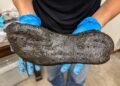
Another unexpected find was a brick-built galley, the earliest example found so far in Danish waters. Made from approximately 200 bricks and tiles, it contained cooking pots, ceramic bowls, and food remains, showing that the sailors could make hot meals on board. Personal items included shoes, combs, rosary beads, and brightly painted wooden dishes that further illuminate daily life at sea and how crews carried familiar routines from land onto these long voyages.
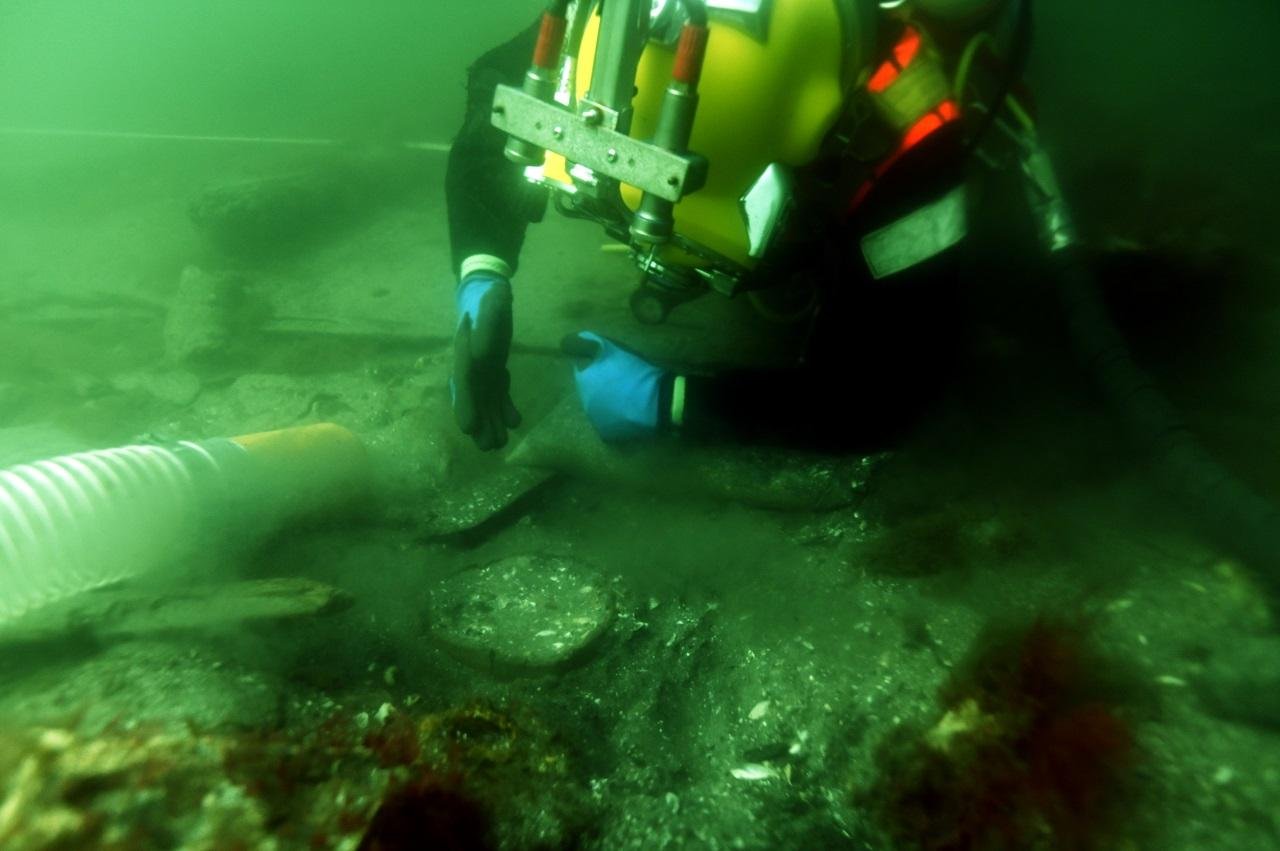
Although no evidence of the cargo has survived, presumably lost when the unsealed hold flooded, the absence of ballast indicates the ship was fully laden. Nor is there any evidence of military use, confirming its role as a merchant vessel.
Svælget 2 is more than a technical wonder; it is the epitome of a society in transition. It embodies the economic structure, technological capability, and interconnection of markets within Late Medieval Northern Europe.
More information: Viking Ship Museum in Roskilde














Disclaimer: This website is a science-focused magazine that welcomes both academic and non-academic audiences. Comments are written by users and may include personal opinions or unverified claims. They do not necessarily reflect the views of our editorial team or rely on scientific evidence.
Comment Policy: We kindly ask all commenters to engage respectfully. Comments that contain offensive, insulting, degrading, discriminatory, or racist content will be automatically removed.