
Three skulls unearthed at the Yunxian site in Hubei Province have long sat at the center of debate. For years, researchers placed their age at about 1 million to 1.1 million years. A new study in Science Advances now dates the fossils to around 1.77 million years. The revision pushes the presence of Homo erectus in East Asia back by roughly 600,000 years.
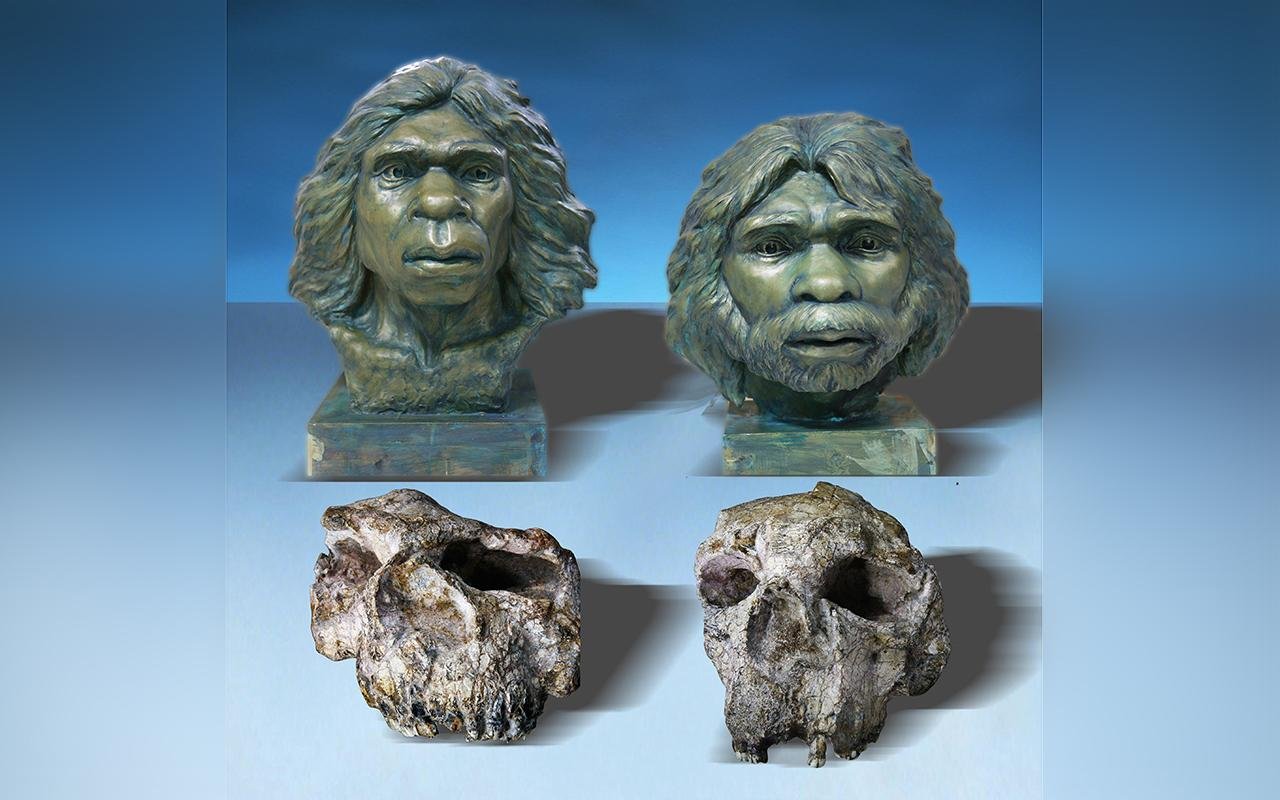
The Yunxian skulls were found between 1989 and 2022. Earlier estimates relied on animal fossils found nearby and on electron spin resonance and uranium series dating. Those approaches produced younger ages. The new research team chose a different method to revisit the question.
Scientists analyzed quartz grains from the same sediment layers as the skulls. When quartz sits near the surface, cosmic rays produce rare isotopes such as aluminum-26 and beryllium-10. Burial deep underground stops further production. From that point, the isotopes decay at known rates. By measuring the ratio between the two, researchers calculate how long the sediment has remained buried. Radiocarbon dating reaches back about 50,000 years. This technique extends to about 5 million years.
Results showed burial occurred around 1.77 million years ago. Christopher J. Bae of the University of Hawaiʻi at Mānoa, a co-author of the study, said the team did not expect such an early date. If correct, Homo erectus reached central China soon after emerging in Africa about 2 million years ago.

The finding places Yunxian close in age to fossils from Dmanisi in Georgia, dated between 1.78 and 1.85 million years ago. Those remains have often marked the earliest widely accepted hominins outside Africa. The new age from Hubei Province suggests East Asia entered the picture at a similar time.

Questions remain. Stone tools from other sites in China have been dated to about 2.1 million and 2.43 million years ago. Those artifacts predate both the Yunxian skulls and many African Homo erectus fossils. The gap between the oldest tools and the oldest skeletal remains in China now stands at roughly 600,000 years.
Further work at Yunxian and at other early sites will test the new timeline. For now, the revised date shifts the map of early human movement. Homo erectus appears in East Asia earlier than many researchers once thought, narrowing the distance in time between African origins and settlement across Eurasia.

















Disclaimer: This website is a science-focused magazine that welcomes both academic and non-academic audiences. Comments are written by users and may include personal opinions or unverified claims. They do not necessarily reflect the views of our editorial team or rely on scientific evidence.
Comment Policy: We kindly ask all commenters to engage respectfully. Comments that contain offensive, insulting, degrading, discriminatory, or racist content will be automatically removed.