
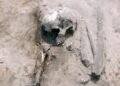
Archaeologists at El Caño Archaeological Park in Panama have unearthed a tomb more than 1,000 years old filled with gold ornaments and ceramic vessels. The burial dates to between CE 800 and 1000 and lies in the district of Natá, about 124 miles southwest of Panama City. Researchers found the skeletal remains of a high-ranking individual placed at the center of the grave and surrounded by precious objects.
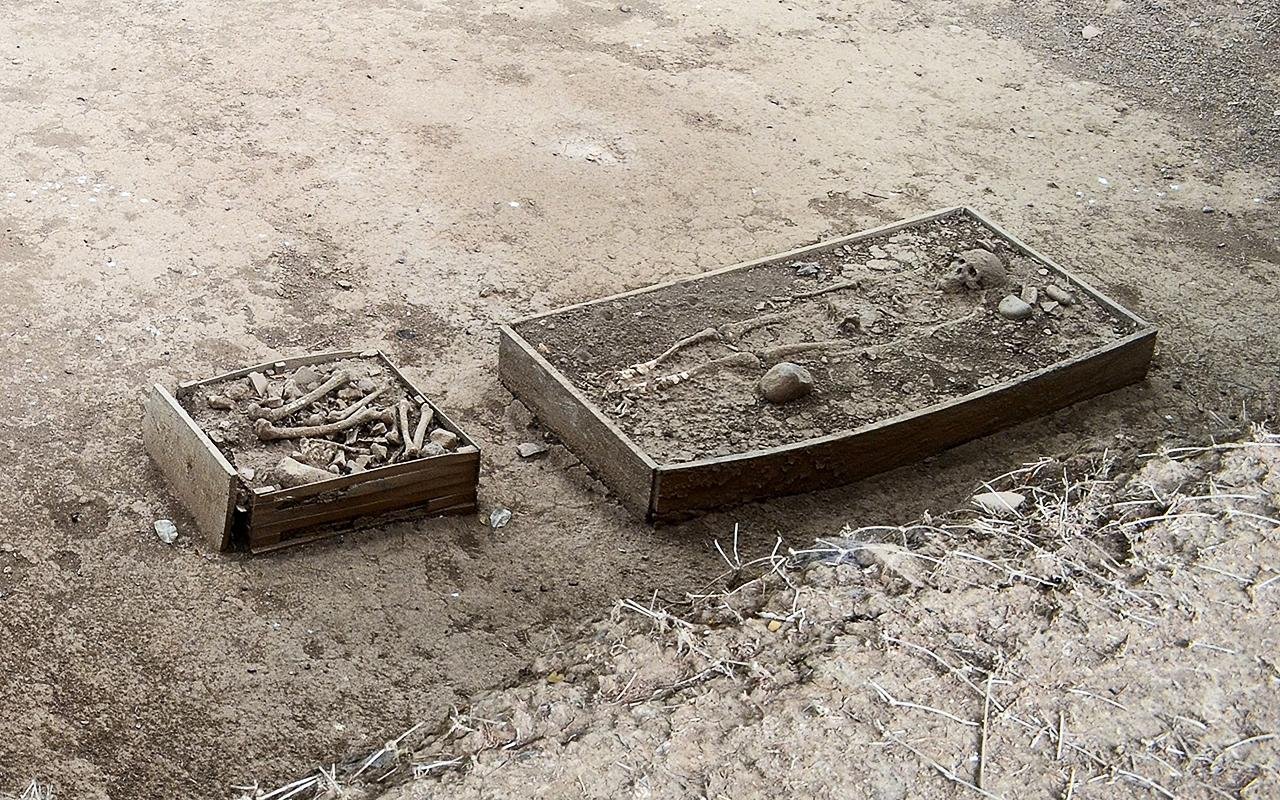
The body was buried with two gold bracelets, two earrings, and pectoral plates decorated with images of bats and crocodiles. These animals appear often in the visual language of ancient societies in central Panama.
The gold pieces show careful metalworking and control over materials. The ceramics placed nearby carry traditional designs linked to communities that lived in the region between the eighth and eleventh centuries.
Excavations at El Caño have continued for nearly twenty years. This tomb joins nine others with similar features. The repeated pattern of elite burials in the same area suggests the site served as a cemetery for leading members of a community over a period of about 200 years. People returned to this place across generations to bury those who held authority.
The position of the gold ornaments around the body points to clear social ranking. Archaeologists interpret the burial goods as evidence that status remained important after death. The dead were laid to rest with symbols of rank and identity, showing how leadership and spiritual roles extended beyond life.

Scholars link El Caño to wider networks across the Central American isthmus, the land bridge connecting North and South America. The presence of refined gold objects in multiple graves indicates established metallurgical knowledge long before European contact.
Panama’s Ministry of Culture has described the find as highly important for national archaeology and for reconstructing prehispanic history in Central America. Each new tomb adds material evidence about social structure, belief systems, and artistic traditions in the region over a thousand years ago.
- To view the original image and learn more about this discovery, visit the Ministerio de Cultura de Panamá.







Disclaimer: This website is a science-focused magazine that welcomes both academic and non-academic audiences. Comments are written by users and may include personal opinions or unverified claims. They do not necessarily reflect the views of our editorial team or rely on scientific evidence.
Comment Policy: We kindly ask all commenters to engage respectfully. Comments that contain offensive, insulting, degrading, discriminatory, or racist content will be automatically removed.