
Archaeologists working in Egypt’s southern Sinai have identified a large rock shelter on the Umm Arak Plateau that preserves nearly 10,000 years of human activity. The site lies about 5 kilometers northeast of the Temple of Serabit el-Khadim and near ancient copper and turquoise mining zones. A mission from the Supreme Council of Antiquities located and documented the shelter during a regional survey, guided by a local resident, Sheikh Rabie Barakat.
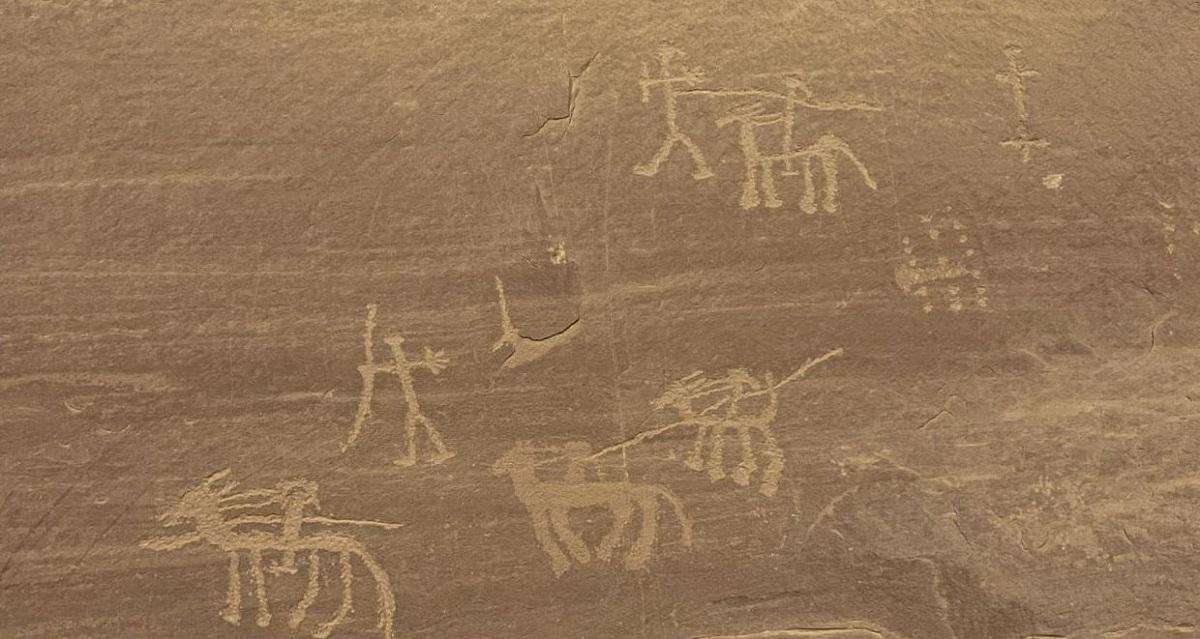
The sandstone shelter stretches for more than 100 meters along the eastern edge of the plateau. Its depth ranges from about 2 to 3 meters. The ceiling height drops from roughly 1.5 meters near the entrance to about half a meter farther inside. From this elevated position, the plateau overlooks a broad plain that extends north toward the Tih Plateau. Researchers believe people used the site as a lookout point and resting place across different eras.
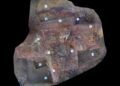
The oldest images appear near the entrance and date to between 10,000 and 5,500 BCE, based on style and technique. Artists painted many of these scenes in red pigment across the ceiling. They show animals common to the region in prehistoric times. One engraved scene in sunken relief depicts a hunter drawing a bow at an ibex, with several hunting dogs at his side. The composition reflects daily life and subsistence practices among early communities in Sinai.
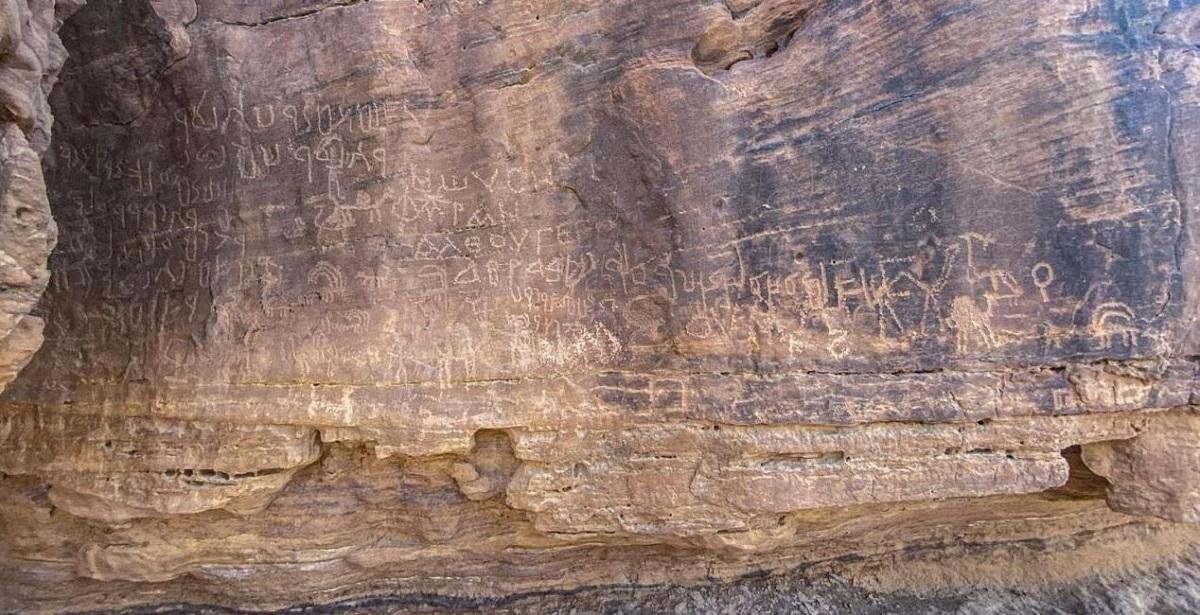
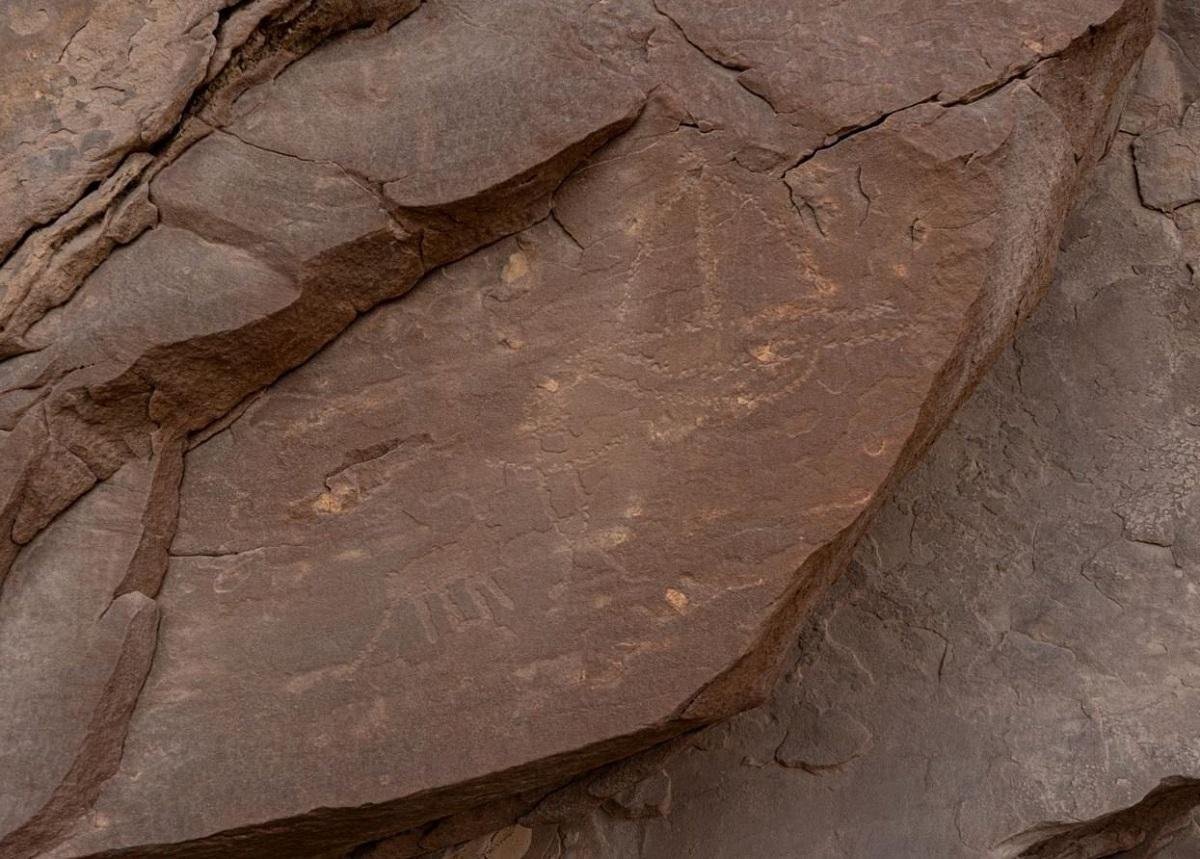
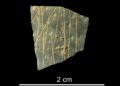
Later images introduce new themes. Some engravings show camels and horses ridden by armed figures. A number of inscriptions belong to the Nabataeans, a people who flourished between about 400 BCE and 200 CE and are known for Petra in present-day Jordan. Additional inscriptions and drawings date from late antiquity into the medieval period, roughly between the sixth and fifteenth centuries CE. Geometric signs, including X-shapes, squares, ovals, and crescents, appear throughout the shelter, created with different tools and methods.
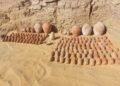
Excavation inside the shelter revealed thick deposits of animal dung, which indicate use as a refuge for both people and livestock during rain and cold weather in later periods. Archaeologists also recorded low stone divisions that formed small living units. In the center of these spaces, they found layers of ash and burned material, evidence of repeated hearth use. Flint tools and pottery sherds further confirm long occupation. Some ceramics likely date to Egypt’s Middle Kingdom, while others belong to the third century CE under Roman rule.
Officials describe the Umm Arak Plateau as one of the most significant recent rock art discoveries in Sinai. The range of techniques, pigments, and subjects forms a continuous record from prehistoric hunters to medieval travelers. Ongoing analysis aims to refine the dating of each group of images and to prepare a long-term plan for documentation and site protection.
More information: Ministry of Tourism and Antiquities











Disclaimer: This website is a science-focused magazine that welcomes both academic and non-academic audiences. Comments are written by users and may include personal opinions or unverified claims. They do not necessarily reflect the views of our editorial team or rely on scientific evidence.
Comment Policy: We kindly ask all commenters to engage respectfully. Comments that contain offensive, insulting, degrading, discriminatory, or racist content will be automatically removed.
This is nice ☺️. They must be protected for the future generations and tourism attraction.