
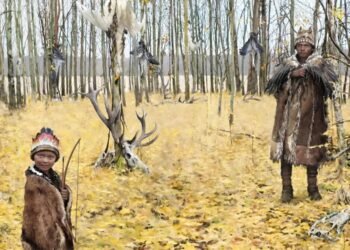
For thousands of years, Indigenous hunters on the North American Great Plains relied on bison for food, tools, and materials. Hunting practices shifted across time and landscape, with groups moving between kill sites based on need, season, and local conditions. New research focuses on one location in central Montana where repeated hunting took place for roughly seven centuries before activity stopped around 1,100 years ago, even though bison still roamed nearby.
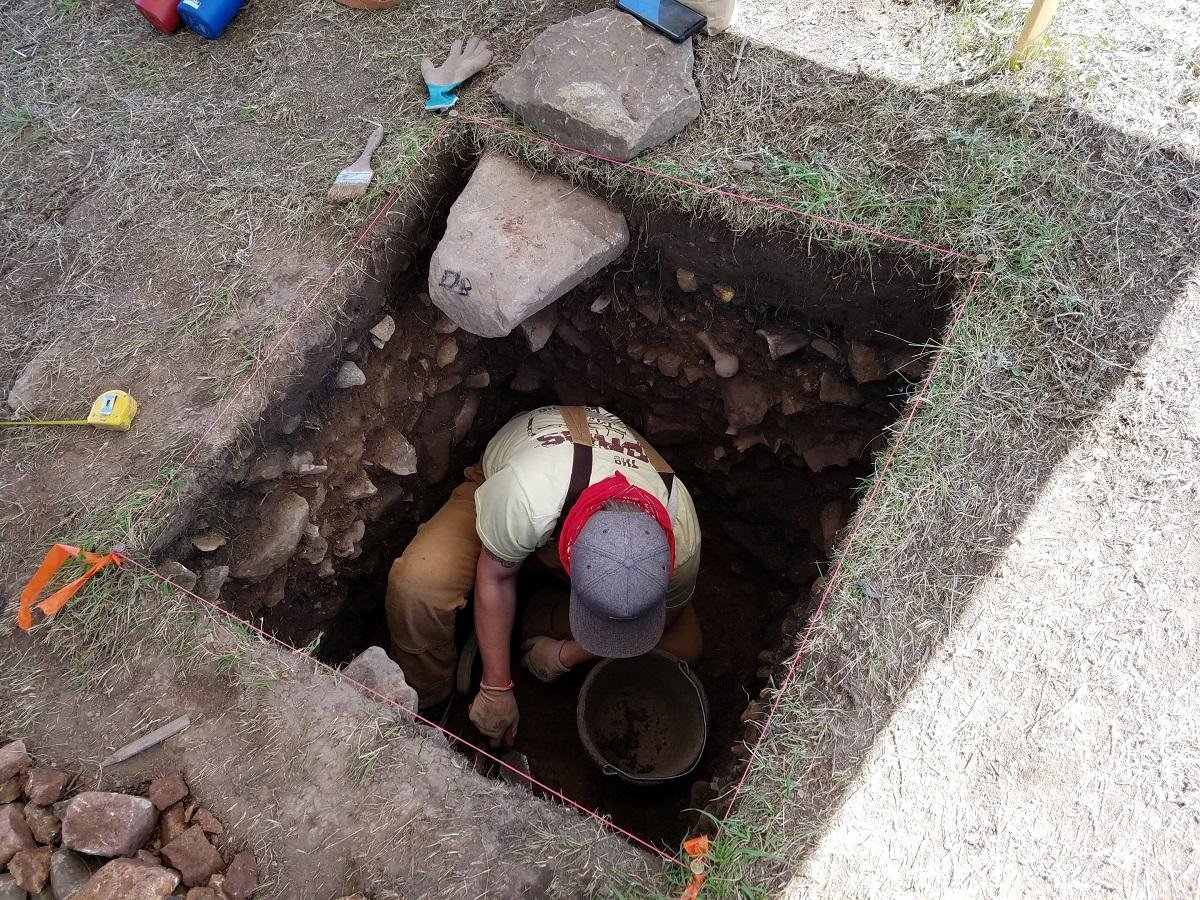
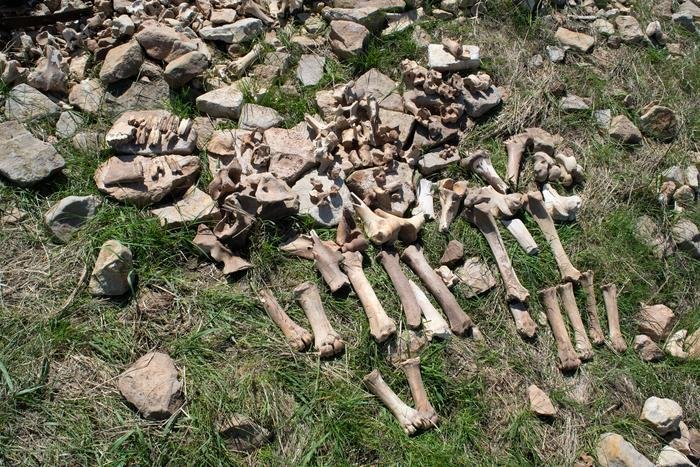
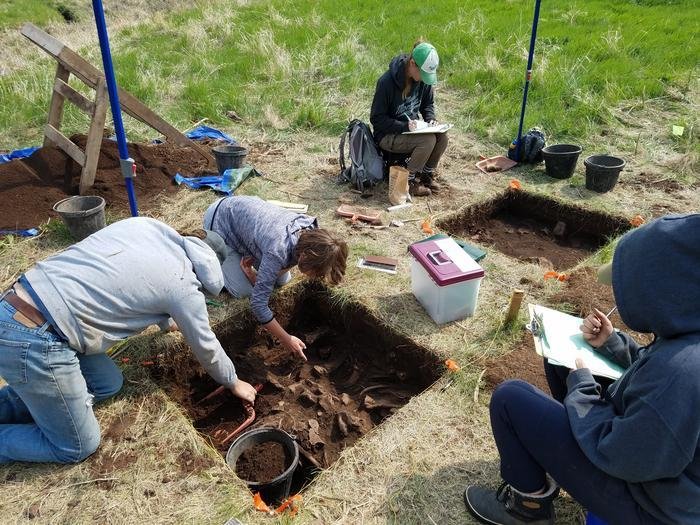
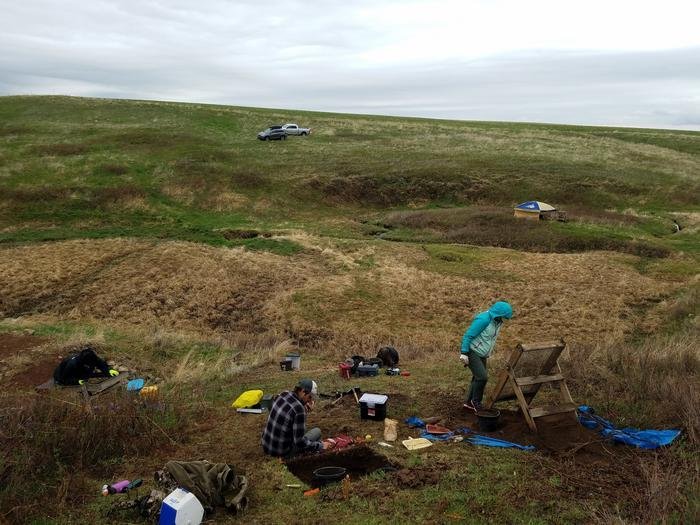
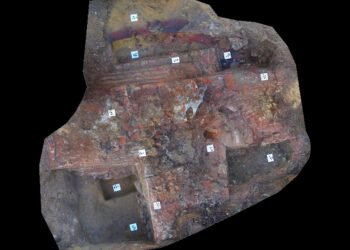
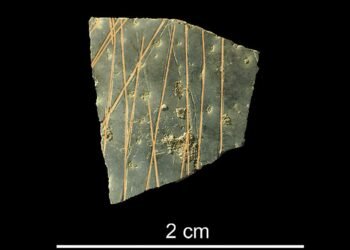
Archaeologists and paleoecologists investigated Bergstrom, a bison kill and processing area used off and on for generations. Excavations in 2019 opened nine one by one meter units. Teams recorded bone fragments, stone tools, and charcoal. Radiocarbon dating established a long sequence of use. Researchers also extracted two sediment cores beside the excavation area. Laboratory study of pollen and microscopic charcoal from those cores helped reconstruct past vegetation, fire patterns, and moisture levels.
Large herbivore records and regional climate data added more detail. Results showed no major drop in local bison numbers during the period when people stopped using Bergstrom. Plant communities stayed stable. Fire activity showed no dramatic shift. Ecological decline alone does not explain why hunters left.
Climate records point toward another factor. The region experienced several long droughts before and after final abandonment. Reduced stream flow near the site limited water needed for butchering and processing carcasses. Fresh water played a key role in cleaning hides, preparing meat, and supporting camp life. During extended dry periods, small creeks became unreliable.
Social and economic patterns also changed. Evidence from other Plains sites suggests a move toward larger, more coordinated hunting groups around the same time. Bigger groups organized large communal drives and mass kills. Such operations produced surplus meat for storage and trade. Larger camps required dependable water, good grazing for horses in later periods, and steady fuel supplies for cooking and drying meat. Small processing spots like Bergstrom offered fewer of those resources.


Topography mattered as well. Some locations featured cliffs, steep coulees, or natural barriers suited for driving herds into confined spaces. Sites with those features supported repeated large scale hunts across centuries. Once groups invested labor and knowledge in such places, returning there made sense, especially during hard environmental periods.
Researchers argue Bergstrom did not become useless in an absolute sense. Instead, changing drought patterns and shifts toward large group strategies reduced the advantages of smaller, flexible camps. Hunters reorganized across the landscape, favoring places with multiple reliable resources in one setting. Bergstrom saw little activity after abandonment, though brief visits might have left few traces.
The study appears in Frontiers in Conservation Science. The findings add to a growing body of work showing long term human responses to climate stress. People on the Plains adjusted mobility, group size, and site choice rather than following animal herds alone. Bergstrom offers one detailed example of how environmental pressure and social change shaped land use long before modern records began.

















Disclaimer: This website is a science-focused magazine that welcomes both academic and non-academic audiences. Comments are written by users and may include personal opinions or unverified claims. They do not necessarily reflect the views of our editorial team or rely on scientific evidence.
Comment Policy: We kindly ask all commenters to engage respectfully. Comments that contain offensive, insulting, degrading, discriminatory, or racist content will be automatically removed.
Horses in Montana 1000yrs ago?