
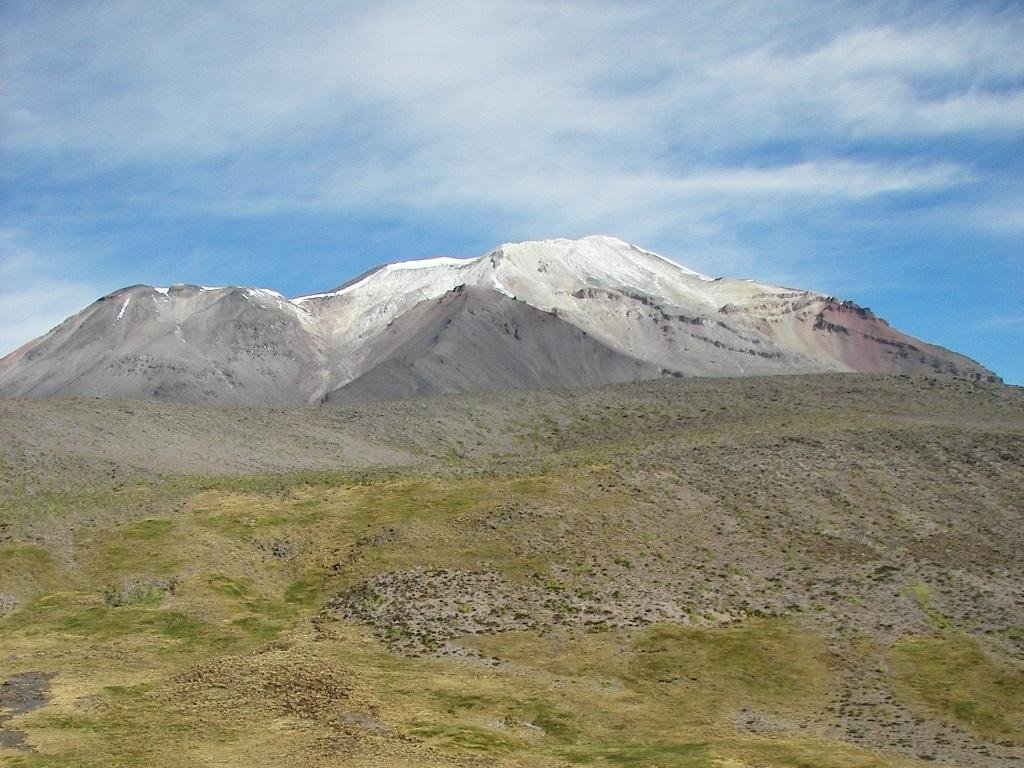
Archaeologists working on high Andean volcanoes have identified the first clear case of deliberate mummification of a child sacrificed in an Inca capacocha ritual. The study relied on computed tomography scans of four naturally preserved children recovered from the summits of Ampato and Sara Sara in southern Peru. The work forms part of an international project led by Dagmara Socha of the University of Warsaw and appears in the Journal of Archaeological Science: Reports.
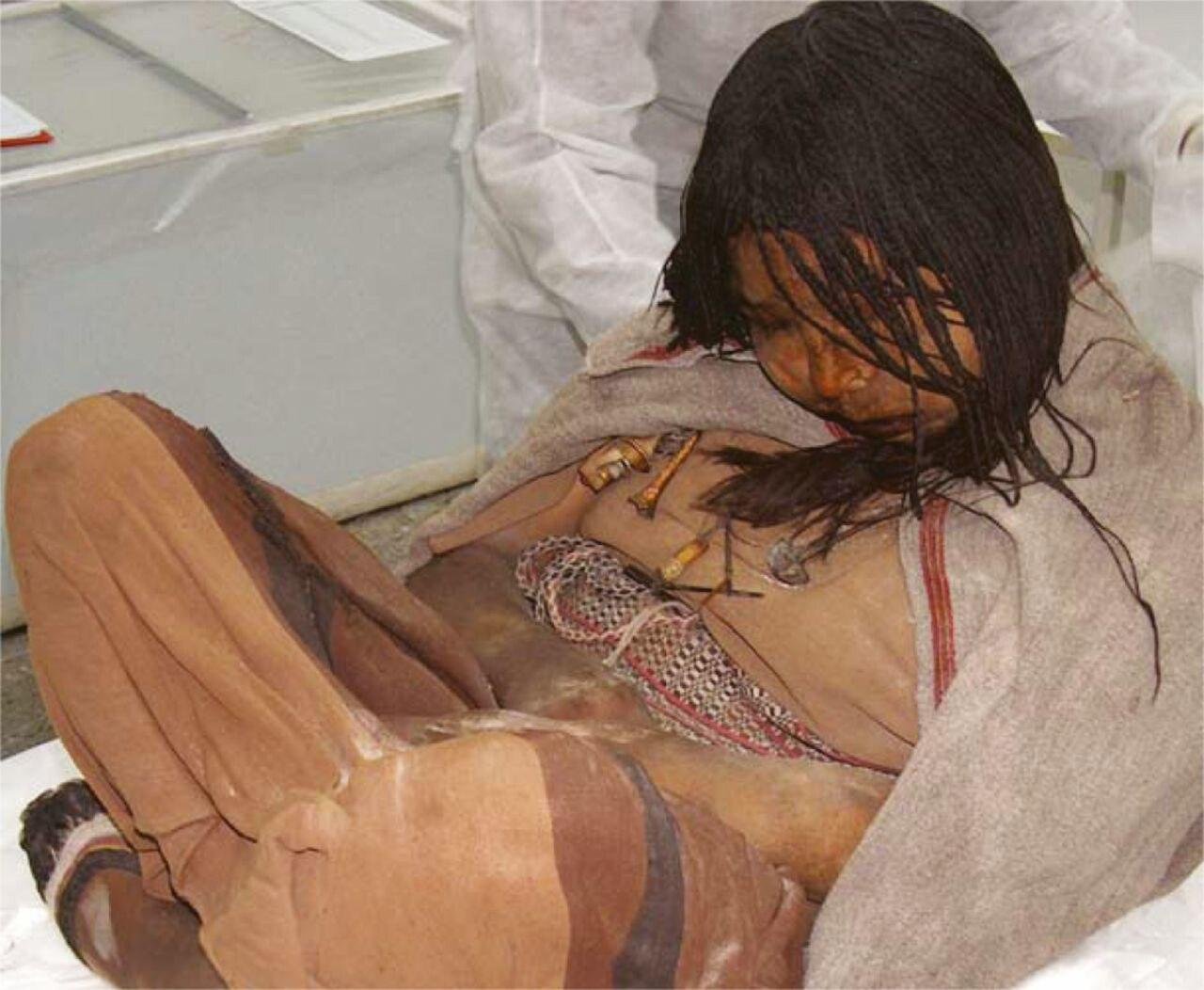
Capacocha ranked among the most important state ceremonies of the Inca Empire. Spanish chroniclers described processions in which children and young women traveled long distances before ritual killing on mountain peaks. Physical evidence has remained limited, since many burial sites lie in remote, high-altitude locations. Frozen conditions on these summits preserved soft tissue, internal organs, and burial bundles in rare detail.
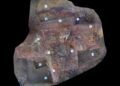
Researchers scanned the bodies without opening the wrappings. The images recorded bone structure, organ condition, and objects placed inside the bundles. All four children showed fatal head trauma. In one case, an eight year old girl displayed an intracranial hematoma. The same child also had signs linked to Chagas disease, including an enlarged esophagus and calcium deposits in lung tissue. These findings challenge earlier views drawn from colonial accounts, which described only healthy, physically perfect children chosen for sacrifice.
Scans of the well-known mummy called the Lady of Ampato, or Juanita, revealed injuries to the chest and pelvis in addition to head trauma. Several bodies also bore damage from lightning strikes, a frequent danger on exposed volcanic peaks. Such strikes fractured bones and burned outer wrappings after burial.
The most unusual case involved a child labeled Ampato 4. CT images showed missing bones, displaced skeletal elements, stones, and fragments of textiles placed inside the abdominal cavity. The internal arrangement differed from natural decomposition or simple freezing. Researchers interpret these features as signs of deliberate postmortem treatment. The girl likely died in another location, after which people reopened the body and altered internal spaces before final placement on the mountain.
Historical records describe Inca policies of forced resettlement, known as mitimaes, in which communities moved across the empire. Groups often carried sacred objects, including mummies of ancestors, to new territories. The altered condition of Ampato 4 fits with ritual practices linked to movement and reestablishment of spiritual ties in unfamiliar landscapes. The body seems to have served as more than a burial. The treatment points to an ongoing ritual role after death.
Evidence for secondary burial and internal modification suggests capacocha victims remained active elements in religious life. Their bodies marked sacred peaks, reinforced imperial presence, and connected local communities with state level belief systems. High altitude archaeology continues to add data from locations once thought inaccessible. Fieldwork resumed on several Andean summits in 2024 under Polish National Science Centre funding, with further analysis planned on preserved tissues, textiles, and associated offerings.





Disclaimer: This website is a science-focused magazine that welcomes both academic and non-academic audiences. Comments are written by users and may include personal opinions or unverified claims. They do not necessarily reflect the views of our editorial team or rely on scientific evidence.
Comment Policy: We kindly ask all commenters to engage respectfully. Comments that contain offensive, insulting, degrading, discriminatory, or racist content will be automatically removed.
Very amazing website! It gives off credible information, shows the date of the news, and the pictures. I really love it so much I even have a bookmark of this website on my computer! Great job