
Restoration work inside the Great Mosque of Homs in western Syria has brought renewed attention to one of the city’s oldest historical questions. At the base of a granite column, workers uncovered a Greek inscription carved directly into the stone. The find has revived debate over the precise location of the Temple of the Sun in ancient Emesa, the city known today as Homs.
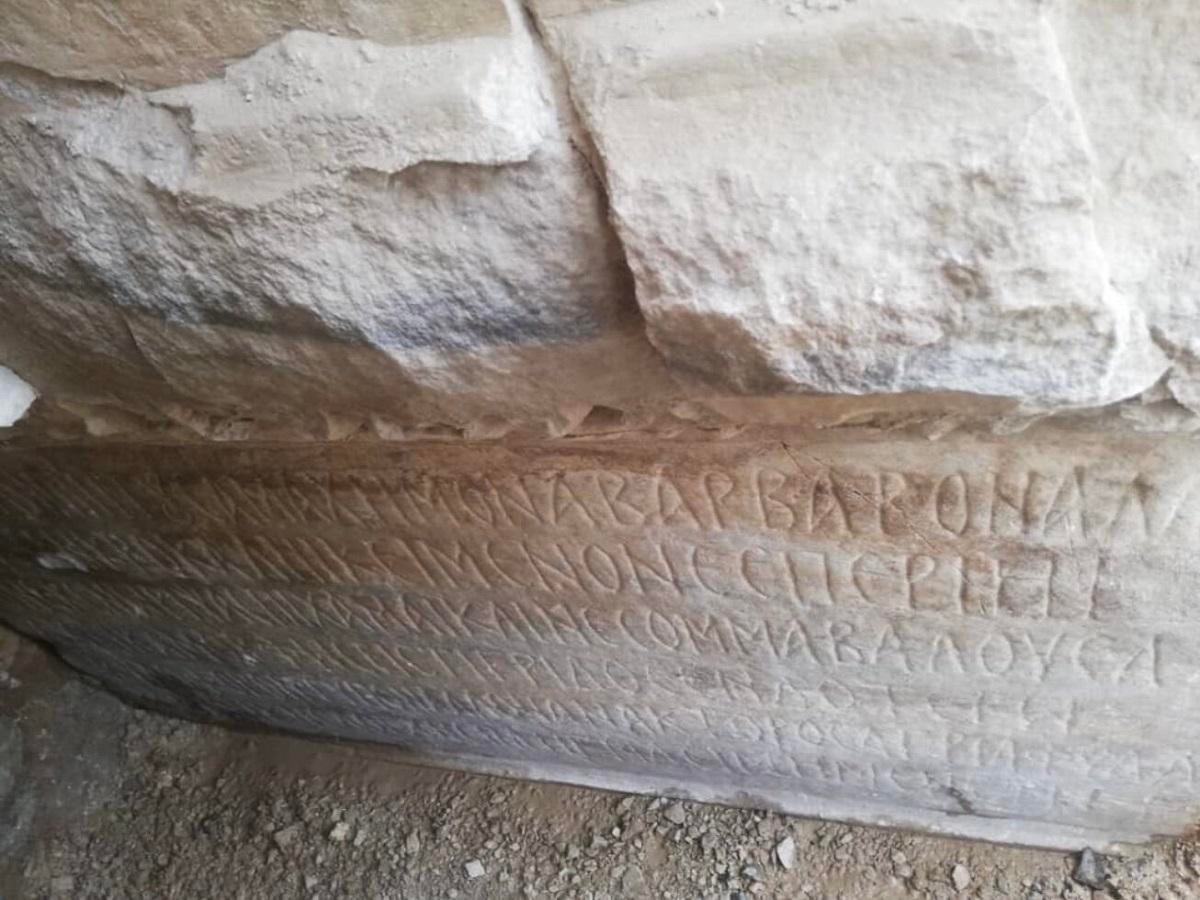
For decades, historians have asked whether the mosque stands over the remains of the sanctuary dedicated to the solar god Elagabalus. The question carries weight because the high priest of this cult rose to the Roman throne in 218 CE, ruling under the name Elagabalus. Despite extensive study of texts, coins, and scattered archaeological remains, no firm proof has settled the issue.
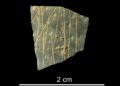
The newly examined inscription forms part of a column base measuring one meter by one meter. The inscribed panel covers roughly 75 centimeters of the front, framed by decorative elements. Archaeologists first brought the stone to light during excavations in 2016, though years of unrest delayed detailed study. The text is arranged in straight horizontal lines and framed at the top, a style typical of formal commemorative inscriptions.
A first translation published in 2016 described a warrior ruler compared to wind, storm, and a leopard. The tone is heroic and martial. The Greek contains grammatical irregularities, which align with patterns seen in Roman Syria, where Aramaic dominated daily speech. Such linguistic features support a local origin during the Roman period rather than a later reuse.
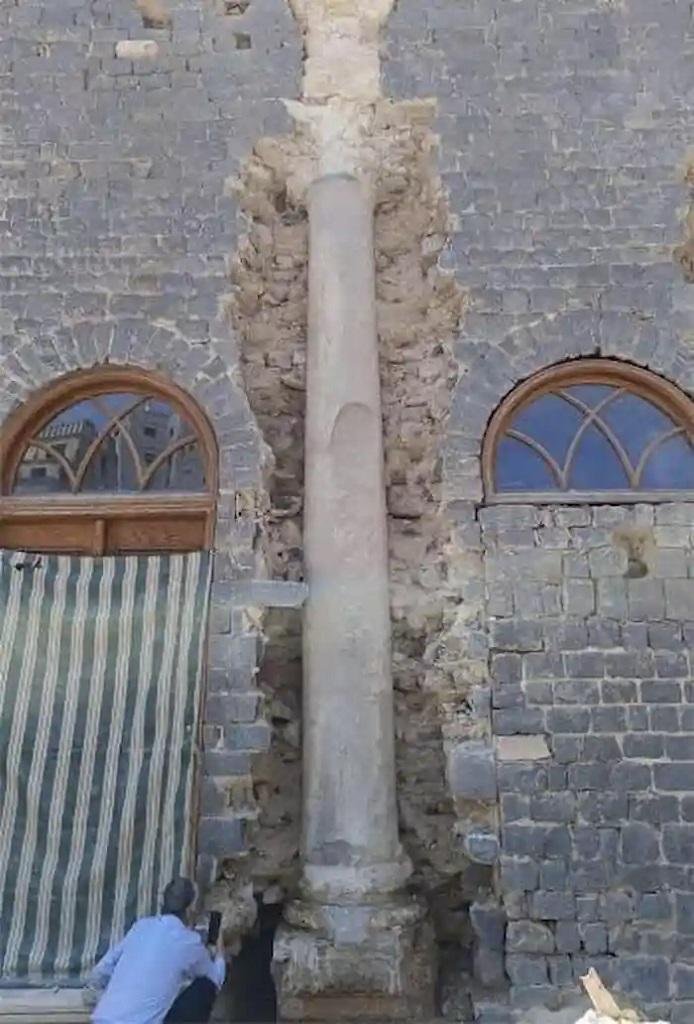
In a study published in the journal Shedet, Professor Maamoun Saleh Abdulkarim of the University of Sharjah argues that the inscription strengthens the case for placing the Temple of the Sun beneath the present mosque. He examined the text in connection with the building’s architectural history and earlier excavation records. His analysis suggests continuity of sacred space rather than a shift to a different location on the nearby mound, where the Islamic Citadel now stands.

The Great Mosque occupies a site layered with religious history. Tradition holds that a church dedicated to John the Baptist once stood here. In the twelfth century, the Zengid ruler Nur al-Din associated the mosque with his rule, reinforcing its symbolic role in the city. The building’s rectangular plan contrasts with descriptions of the older oval sanctuary, yet reuse of earlier foundations and materials was common in the region.
Ancient Emesa stood at a crossroads linking Antioch, Damascus, and trade routes across the Levant. Under Roman rule, civic life centered on the cult of Elagabalus. Seasonal festivals and political authority converged at the temple. The priesthood held unusual influence. When the young priest Varius Avitus Bassianus became emperor, he attempted to elevate his Syrian sun god above Rome’s traditional deities. His reign was short, but the prominence of the cult is well documented.
By the fourth century, Christianity gained ground in the city. The shift unfolded over generations rather than through sudden replacement. Pagan and Christian communities lived side by side. Later, following the Islamic conquest, the church became a mosque. Arab historians recorded this sequence, describing the adaptation of earlier sacred structures.
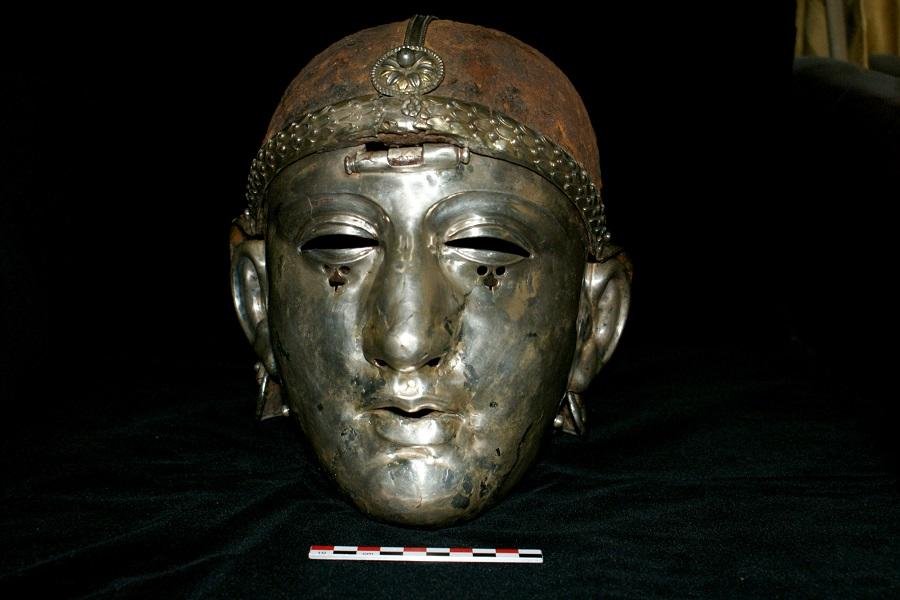
Abdulkarim’s study places the inscription within this long arc of religious change. If the text relates to solar worship, the column base would mark the physical footprint of the Roman sanctuary. Each new Roman-era inscription found within the mosque adds data to the debate. The evidence now points toward architectural layering, where successive communities reshaped an existing sacred center rather than abandoning it.
The site’s importance extends beyond one monument. Emesa’s religious buildings anchored political power, urban identity, and economic networks. Across pagan, Christian, and Islamic periods, the same ground served as the city’s symbolic core. The granite inscription does not answer every question, yet it narrows the field of doubt. The temple long sought by scholars may have stood beneath the mosque floor, preserved in stone beneath centuries of change.








Disclaimer: This website is a science-focused magazine that welcomes both academic and non-academic audiences. Comments are written by users and may include personal opinions or unverified claims. They do not necessarily reflect the views of our editorial team or rely on scientific evidence.
Comment Policy: We kindly ask all commenters to engage respectfully. Comments that contain offensive, insulting, degrading, discriminatory, or racist content will be automatically removed.