
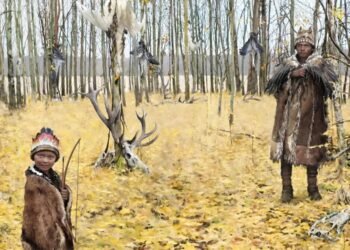
A 5,500-year-old cemetery on Gotland is offering a close look at family life among one of the last hunter-gatherer groups in northern Europe. Researchers studied graves at Ajvide, a major site linked to the Pitted Ware Culture. These people lived by hunting seals and fishing along the Baltic coast long after farming had spread across much of Europe.
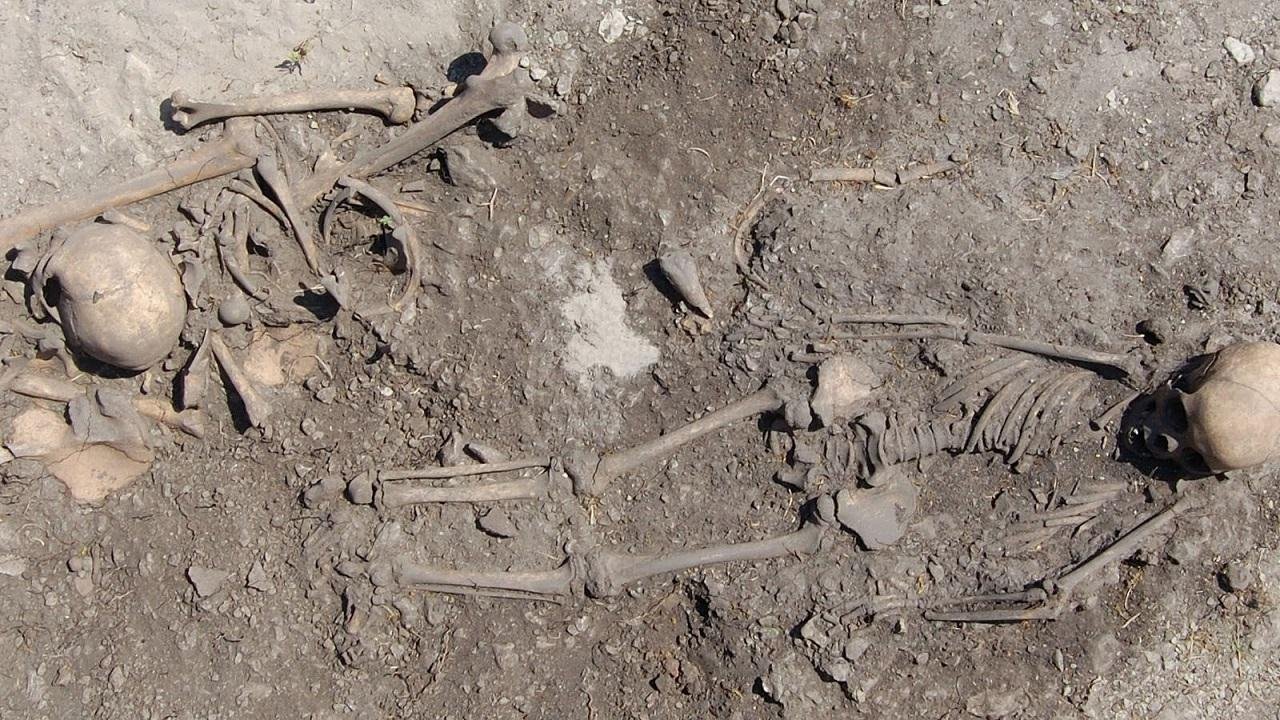
Ajvide contains at least 85 known graves. Eight hold more than one person. A research team analyzed DNA from 10 individuals buried together in four of these graves. They also compared the results with published genomic data from 24 people from other Pitted Ware sites on Gotland. The combined dataset allowed the team to map biological relationships within and between communities.
Every shared grave in the study contained relatives. The links ranged from first-degree relatives, such as parent and child, to second- and third-degree relatives, including half siblings, aunts, uncles, and cousins. In several cases, the people buried together were not from the same nuclear family. Extended kin ties appear to have shaped burial choices.
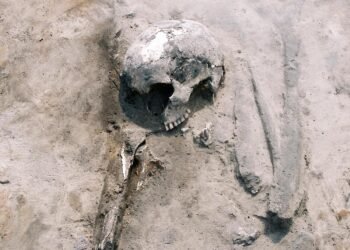
One grave held a woman about 20 years old. Two small children lay on either side of her, a boy and a girl. DNA shows the children were full siblings. The woman was not their mother. She was likely their father’s sister or a half sister. The placement suggests close family bonds, though not a direct parent-child link.
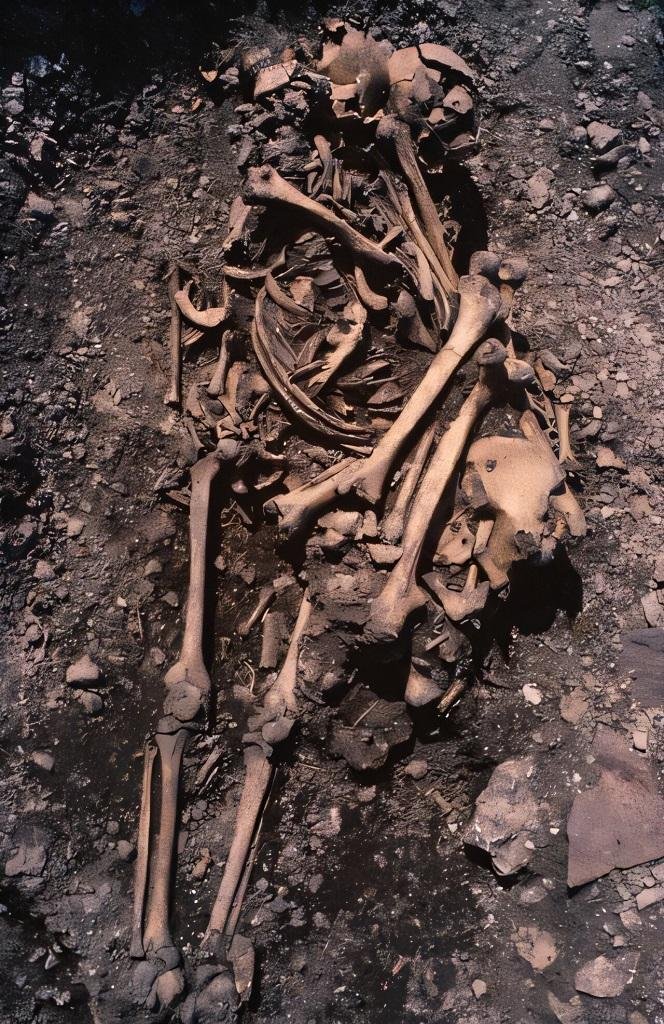
Another burial contained a young girl and an adult man whose remains seem to have been moved from another location. Genetic testing identified the man as her father. In a third grave, two children shared a third-degree relationship, consistent with cousins. A fourth burial paired a girl with a young woman who was also a third-degree relative, such as a great aunt or cousin. At least one child appeared in most of the examined graves.

Researchers extracted DNA from teeth and bones. They determined sex by examining sex chromosomes. Two X chromosomes identified a girl, while one X and one Y identified a boy. They measured relatedness by calculating the proportion of shared DNA. First-degree relatives share about half of their DNA. Second-degree relatives share around one quarter. Third-degree relatives share about one eighth.
The wider genetic picture shows the Pitted Ware population on Gotland carried about 80 percent ancestry from earlier Mesolithic hunter-gatherers and about 20 percent from farming groups. Close relatives also appeared across different sites on the island. This pattern points to contact and intermarriage between nearby groups.
Well-preserved multi-burial sites from hunter-gatherer societies are rare. Ajvide provides a chance to examine social structure in detail. The results show kinship played a direct role in burial practice and extended beyond parents and children. Researchers plan to study more than 70 additional individuals from the cemetery to build a clearer account of social ties, mobility, and life history within this coastal community.





Disclaimer: This website is a science-focused magazine that welcomes both academic and non-academic audiences. Comments are written by users and may include personal opinions or unverified claims. They do not necessarily reflect the views of our editorial team or rely on scientific evidence.
Comment Policy: We kindly ask all commenters to engage respectfully. Comments that contain offensive, insulting, degrading, discriminatory, or racist content will be automatically removed.