
A study by archaeologist Marion Dowd at Atlantic Technological University examines Ireland’s cillíní, burial grounds used for infants who were stillborn, were miscarried, or died at birth without baptism. The work appears in the Journal of Irish Archaeology and draws on both folklore and field records to locate sites and document burial customs.
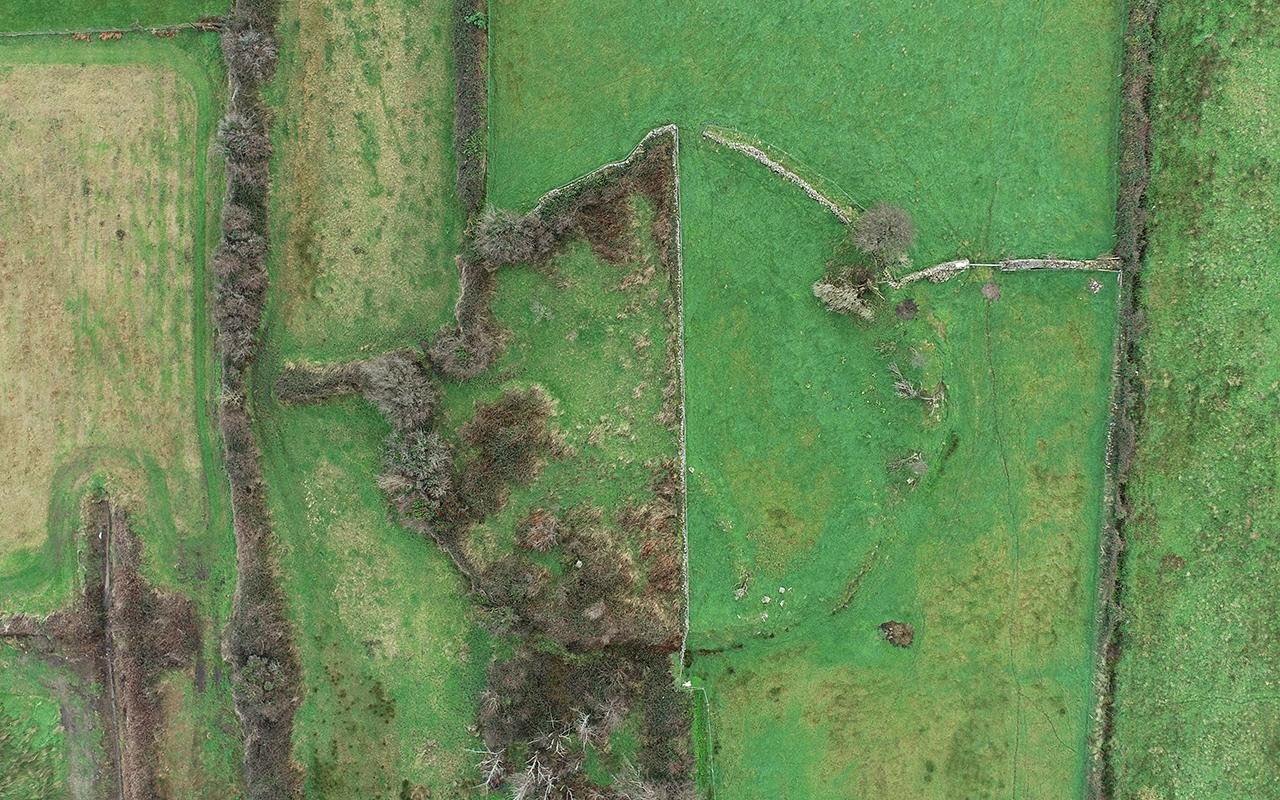
Dowd reviewed more than 350 accounts from the National Folklore Collection Schools archive. She compared these records with archaeological data and historical maps. This process led to the identification of 11 cillíní not previously listed and 16 burial grounds previously considered lost. The sites span many counties, including Kerry, Mayo, Donegal, Galway, Clare, Cork, Louth, Sligo, Waterford, Longford, Meath, Monaghan, Tipperary, and Wexford.
Examples include Lisheen na bPáistí in County Sligo and Inis na Leanbh in Kilquane, County Kerry. Other burials were located near holy wells in County Waterford and at crossroads in County Clare. In County Meath, some cillíní appeared within ringforts. Many locations never appeared in earlier surveys, which shows the limits of past recording methods.
Folklore sources describe strong emotions tied to these burials. Parents faced grief, shame, and social pressure. Dowd refers to this focus as an archaeology of emotion. Stories also mention supernatural beliefs linked to burial places. Reports describe strange lights and speak of the stray sod and hungry sod, forces believed to punish people who disturbed graves.
Some traditions show regional variation. Two burial grounds separated infants by sex, with one for boys and one for girls. Other accounts describe folk cures for sick children linked with visits to these burial places. Such practices now appear in archaeological discussion for the first time.
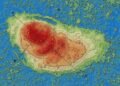
Dowd states this work reconnects oral tradition with physical heritage and protects the memory of children buried outside consecrated ground. Many cillíní face risks from land development, farming activity, and neglect. Ireland recognizes folklore as part of the national heritage under legislation aligned with the UNESCO Convention on Intangible Cultural Heritage. This legal context supports the use of oral history in heritage protection.
Dowd urges local communities to share knowledge of burial places in their areas. Community input helps researchers document sites before damage or loss occurs. Published in the Journal of Irish Archaeology (Volume XXXIV, 2025), the study shows oral tradition holds location data and cultural detail absent from formal records, and brings overlooked burial grounds into the public record.





Disclaimer: This website is a science-focused magazine that welcomes both academic and non-academic audiences. Comments are written by users and may include personal opinions or unverified claims. They do not necessarily reflect the views of our editorial team or rely on scientific evidence.
Comment Policy: We kindly ask all commenters to engage respectfully. Comments that contain offensive, insulting, degrading, discriminatory, or racist content will be automatically removed.
As far as I am aware there is a cillini located in Coonagh West Co. Limerick. it is on the left hand side of the road just past a now derlict farmhouse & haybarn. It is situated at entrance to a laneway. It was a clearly visible mound in the 1970’s. I know this because my grandmother lived in the area and I visited as a child.
Killeen in co laois might be worth looking into.?
Hi,
Do you know about the childrens burial site nr Ardea beach, Tuosist, Co Kerry