
Deep within the marshes of the Włodawa Forests in eastern Poland, archaeologists are studying an early medieval stronghold hidden under trees and wetlands. The site lies near Kaplonosy Kolonia in Wyryki commune, Włodawa County. Remote sensing surveys carried out in 2016 first revealed faint outlines of ramparts beneath the forest canopy. LiDAR models and aerial photographs showed a raised, enclosed area that matched the form of a hillfort.
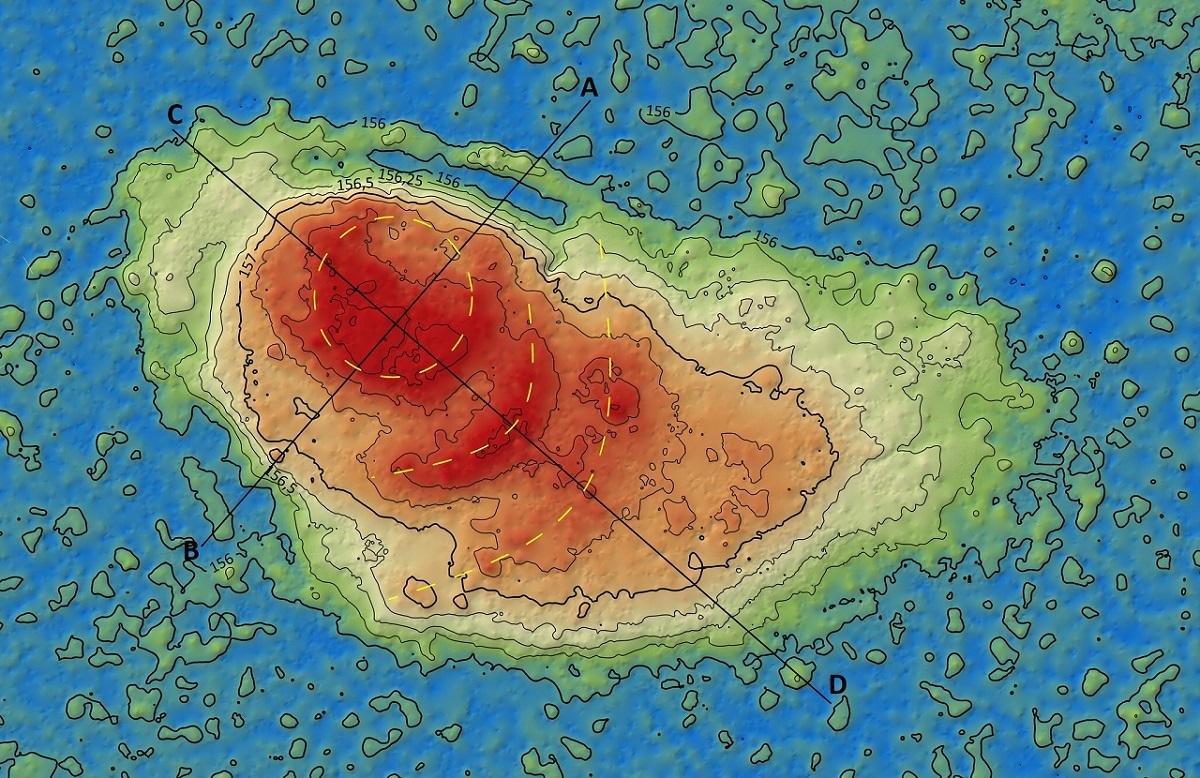
A field survey in spring 2024 brought archaeologists to the site for closer inspection. They walked the surface, recorded visible earthworks, and collected artifacts from the topsoil. They also gathered environmental data to assess how natural processes shaped the area over time. Their findings, later published in Zeszyty Muzealne by the Museum Synagogue Complex in Włodawa, confirmed that the settlement dates from the 10th to the 13th centuries.
Further research followed in autumn 2025 under the direction of the Lublin Voivodeship Conservator of Monuments. A Lublin-based firm, Gorgona Patrycja Piotrowska, led the project with a wider research team. The group relied on non-invasive and minimally invasive methods. They analyzed aerial images in visible and infrared light and used LiDAR data to refine terrain models. Electrical resistivity surveys helped identify buried features. Each artifact found on the surface was recorded with centimeter-level GPS precision, which allowed the team to map activity zones within the enclosure.
The earthworks remain clear despite centuries of abandonment. Ramparts and traces of moats outline the fortified area. Geophysical data did not show clear plans of above-ground buildings, yet subsurface anomalies point to hearths and storage pits. Along the rampart line, a segmented pattern suggests timber box structures filled with soil or stone. A break in the eastern rampart likely marks the original entrance.
Work in the Las Ochoża Nature Reserve proved difficult. Dense undergrowth and fallen trees blocked movement. Marshy ground limited the transport of equipment. Environmental regulations restricted the use of certain survey tools. Even under those conditions, researchers documented 244 artifacts.

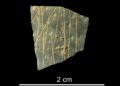
The finds reflect daily life in the stronghold. The team recovered 66 knives and knife fragments, bow-shaped fire strikers, flint strike-a-lights, sickles, nails, and an iron plowshare. Arrowheads and a spearhead point to defense or hunting. Personal items include a silver temple ring, a lyre-shaped buckle, a horseshoe-shaped brooch, and a semi-finished silver lunula. Pottery fragments add further evidence of occupation. The collection resembles material from nearby hillforts at Horodyszcze and Strzyżew, dated to the 10th through 12th centuries.
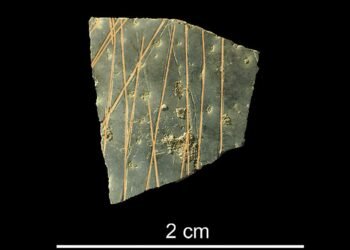
Granite stones lie scattered across the elevated ground. Some show signs of working or exposure to heat. One flattened stone measuring 84 by 53 millimeters bears smoothing traces and likely served as a grinder or polisher.
After the 12th or 13th century, the stronghold fell out of use. Nature took over. Modern objects found at the site tell a later story. Two German rifle cartridges with iron bullets, a damaged cartridge case, and fragments of a pocket watch date to the Second World War. Local memory holds that Jews sought refuge on the wooded island during the German occupation, and these finds support that account. A blue glass cufflink or decorative button from the late 18th or 19th century points to occasional visits in more recent centuries.
The hillfort now lies within a protected reserve and requires permission for entry. Wildlife inhabits the same space as the early medieval earthworks. Archaeologists plan further geochemical, environmental, and excavation research. For now, the marshes continue to guard one of the best-preserved early medieval fortified sites in the Lublin region.
More information: Lublin Voivodeship Conservator of Monuments









Disclaimer: This website is a science-focused magazine that welcomes both academic and non-academic audiences. Comments are written by users and may include personal opinions or unverified claims. They do not necessarily reflect the views of our editorial team or rely on scientific evidence.
Comment Policy: We kindly ask all commenters to engage respectfully. Comments that contain offensive, insulting, degrading, discriminatory, or racist content will be automatically removed.