
A new study of the Late Mesolithic cemeteries at Skateholm I and II in southern Sweden has recovered microscopic traces of clothing and grave furnishings dating to about 5,200 to 4,800 BCE. The burial grounds lie along the Baltic coast in Scania and include 87 graves excavated in the 1980s. Archaeologists long focused on stone tools, animal bones, antlers, and teeth found at the site. Now, soil samples from 35 burials have revealed faint remains of fur, feathers, and plant fibers that survived in sediment for nearly 7,000 years.
The research appears in Archaeological and Anthropological Sciences. The team used a water-assisted fiber separation method developed through the University of Helsinki’s Animals Make Identities project. The approach isolates microscopic hairs and feather fragments from soil, even when no visible textiles remain. Researchers report that the method worked across a wide range of samples and confirmed that highly decayed organic material can persist in ordinary burial sediments.
Information about Stone Age clothing in northern Europe has been limited. Organic materials such as fur and plant fibers rarely survive except in special settings like waterlogged sites or ice. The frozen remains of Ötzi in the Alps offered rare proof of preserved garments, yet most burials lack such conditions. The Skateholm study shows that microscopic evidence can survive even where larger fragments have disappeared.
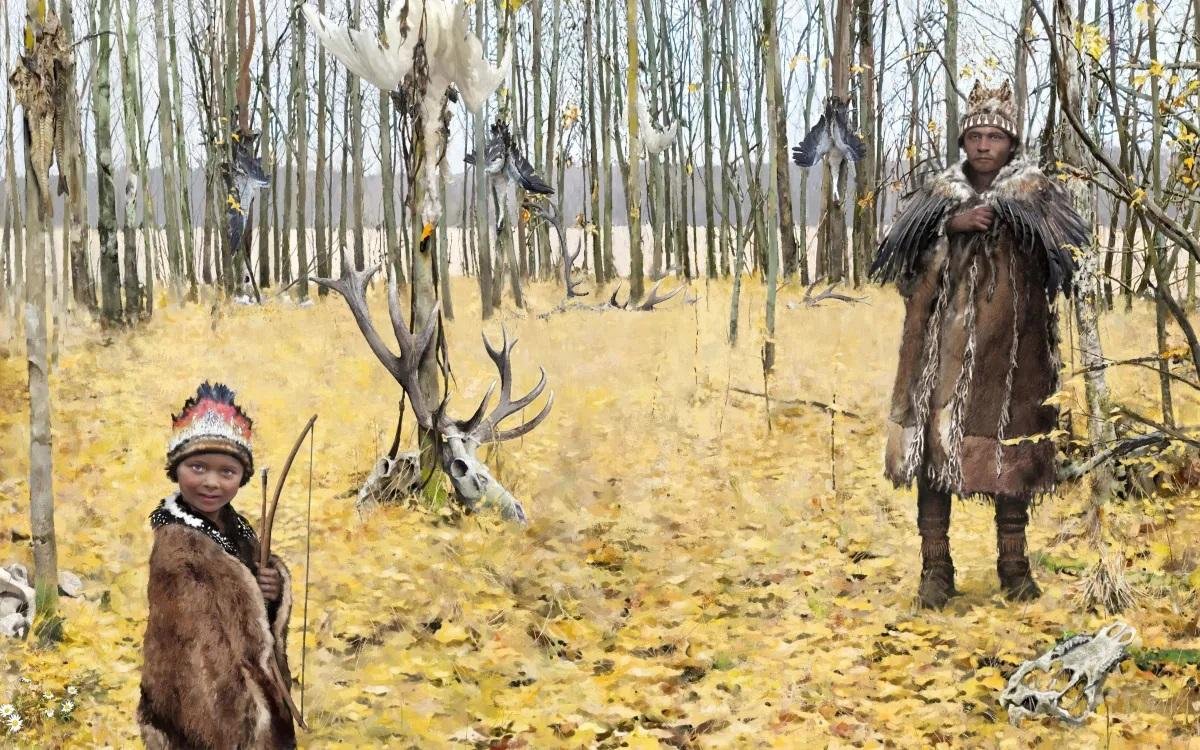
The analysis identified skins from aquatic birds and furs from mustelids, felines, and other small mammals. Larger species such as red deer and a ruminant, either aurochs or European bison, also appeared in the record. Around several skulls, researchers found owl, hawk, or eagle feathers together with hairs from small fur animals. The distribution suggests decorated headdresses. In grave XV, feather fragments and animal skins lay near red deer tooth pendants, indicating a complex head covering.

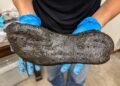
Evidence of footwear emerged in multiple burials. In grave 58, remains of fur and feathers at the feet point to multicolored shoes. One burial of a woman over 60 contained a white winter hair from a stoat or weasel, a brown feline hair, and bird feather fragments near her feet. These traces suggest footwear made from contrasting animal materials.
Some graves once labeled empty yielded microscopic fibers despite lacking stone tools or bone artifacts. The species identified in the fibers match earlier osteological studies from the site, which documented hunting and fishing practices. The pattern links clothing and grave goods to broader human and animal relationships within this coastal hunter-gatherer community.
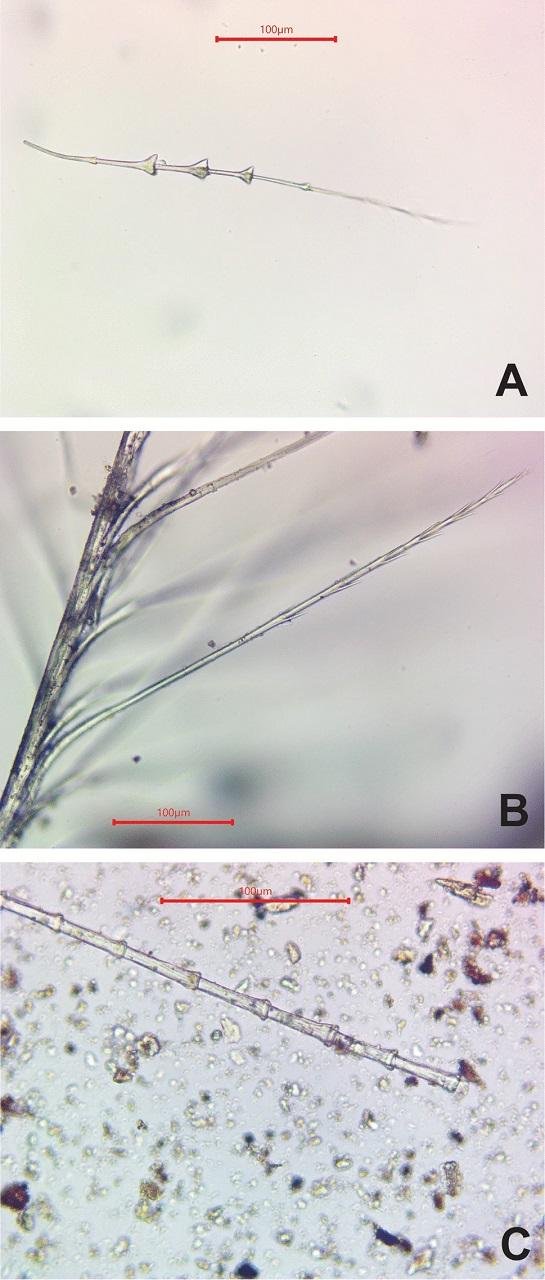
The findings also show that soil samples stored at room temperature for decades can retain microscopic organic remains. Many museums hold similar collections from older excavations. Careful curation and systematic sampling during future digs could expand the record of perishable materials. Researchers propose adding sediment DNA and trace analysis to improve species identification and context.
The Skateholm cemeteries have long informed studies of ritual and social life at the end of the Mesolithic in northern Europe. Microscopic fibers now add detail to how people dressed their dead and arranged graves. Feathers, furs, and plant fibers formed part of mortuary practice, even when no visible objects survived.
















Disclaimer: This website is a science-focused magazine that welcomes both academic and non-academic audiences. Comments are written by users and may include personal opinions or unverified claims. They do not necessarily reflect the views of our editorial team or rely on scientific evidence.
Comment Policy: We kindly ask all commenters to engage respectfully. Comments that contain offensive, insulting, degrading, discriminatory, or racist content will be automatically removed.