
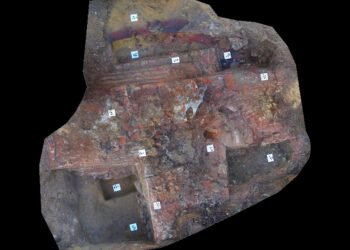
Archaeologists working at Stahlzwingerweg 6 in Regensburg expected routine results. The excavation took place ahead of a housing project that will add three multi-story residential buildings to the historic center. As in many parts of the old town, the team documented traces from prehistory, the Roman period, and the Middle Ages. Nothing at first suggested an unusual discovery.
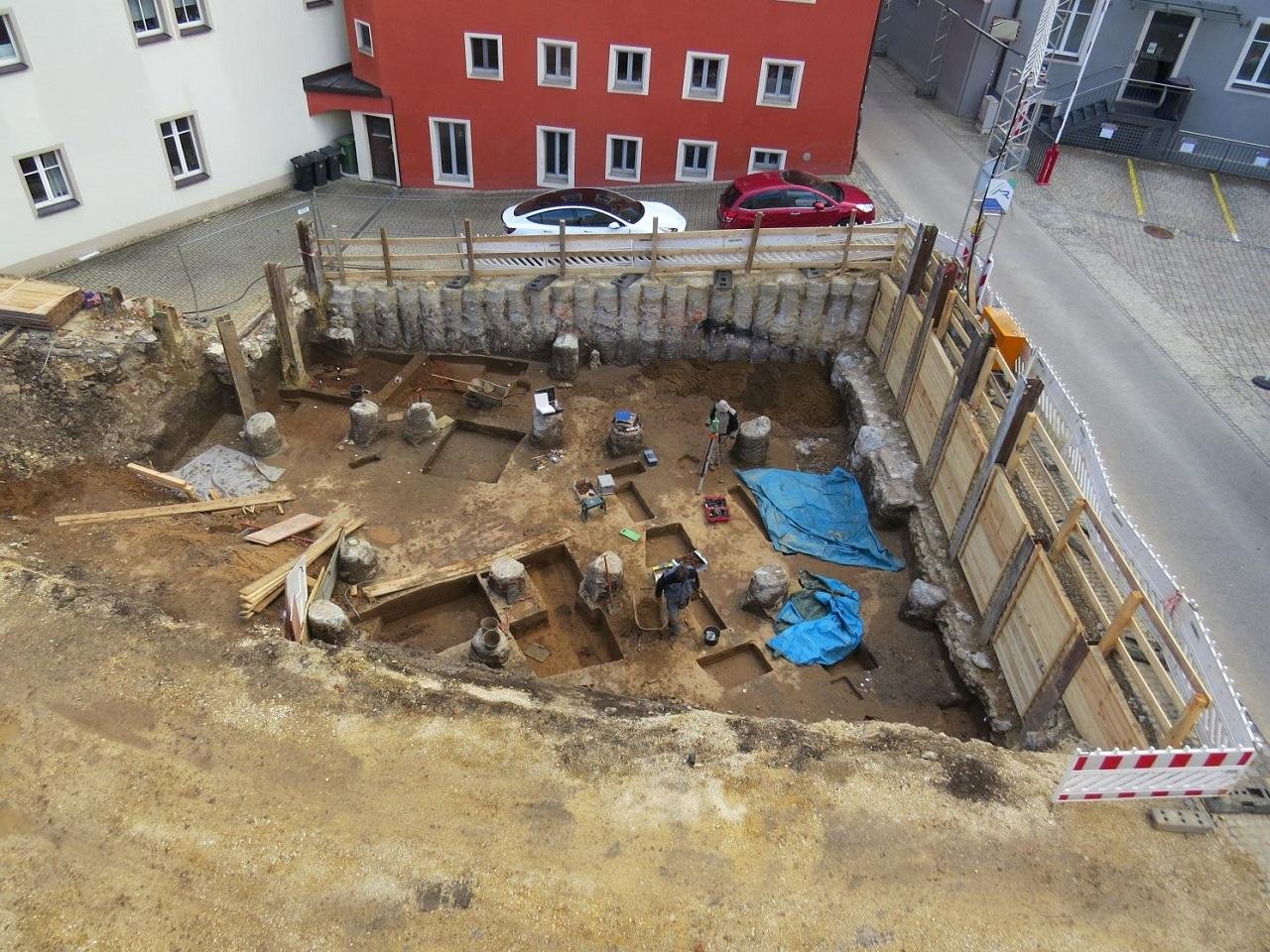
The picture changed after months of fieldwork and careful study. Excavations ran from spring to autumn 2023 and had to proceed in separate sections because of the narrow construction pit. This made interpretation difficult. Only after researchers combined the evidence did a clear pattern appear. Analysis led by Dr. Stefan Reuter showed that the remains belonged to a sanctuary dedicated to the god Mithras.
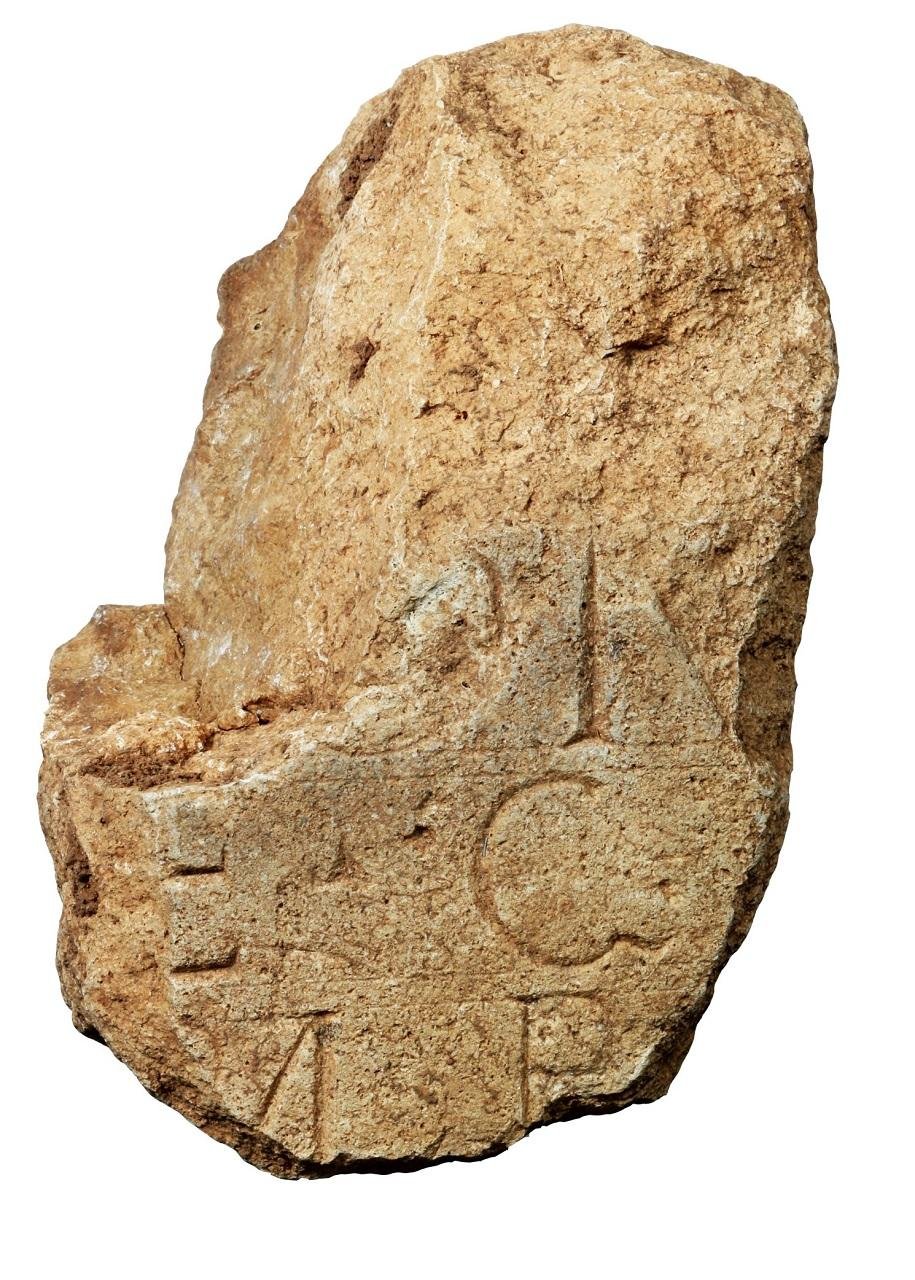
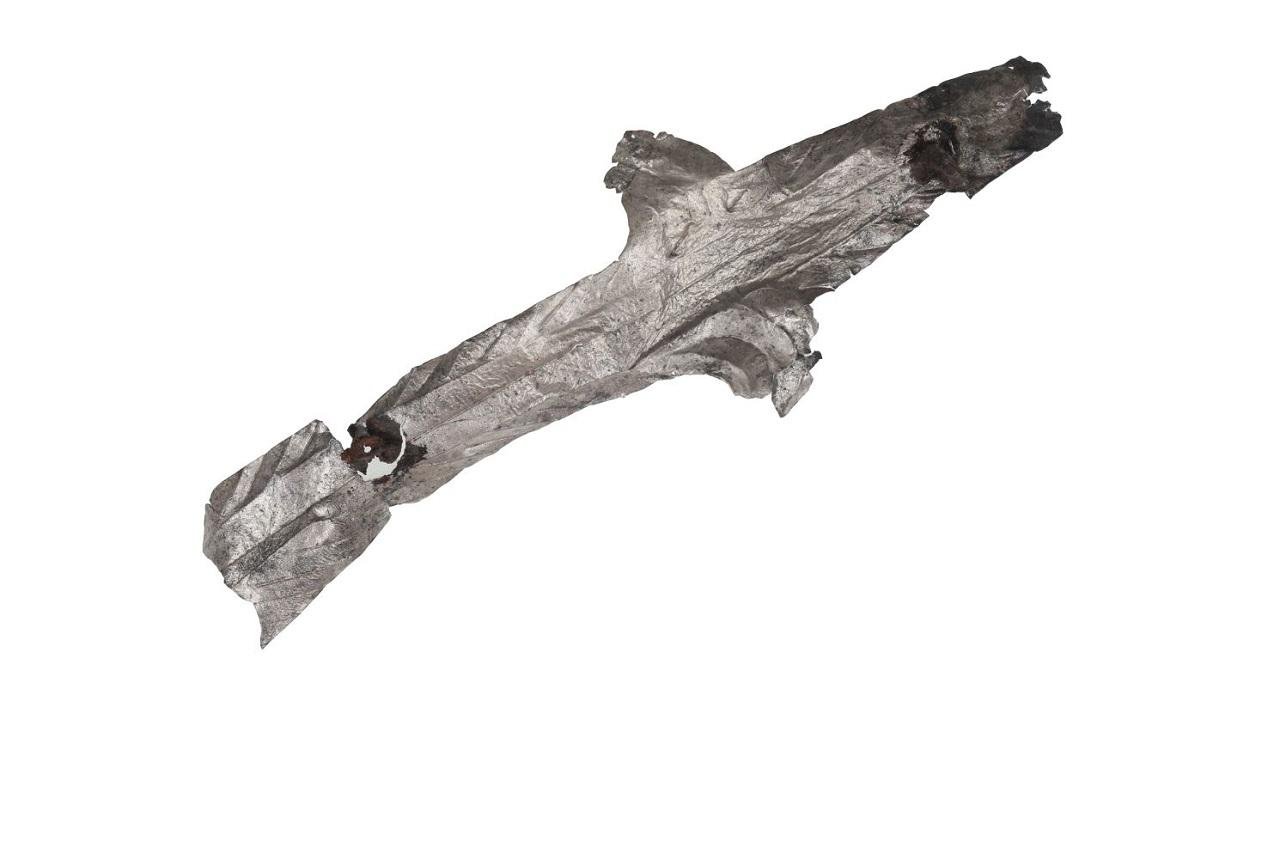
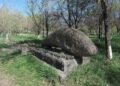
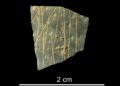
The structure itself left little behind. Builders had constructed the sanctuary mainly of wood, which rarely survives. Identification relied on associated finds. Archaeologists uncovered a votive or consecration stone whose inscription has worn away. They also recovered fragments of metal votive plaques known from other Mithraic temples and fittings from a small shrine cabinet.
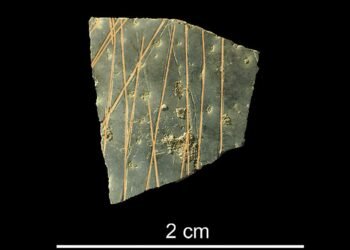
Pottery offered stronger clues. Among the finds were fragments of a ceramic vessel decorated with snake motifs, a symbol often linked to Mithraic imagery. Incense burners and handled jugs appeared in the same context. Drinking vessels point to ritual meals, a central part of Mithraic worship. Animal bone remains from sacrificial practices were also documented.
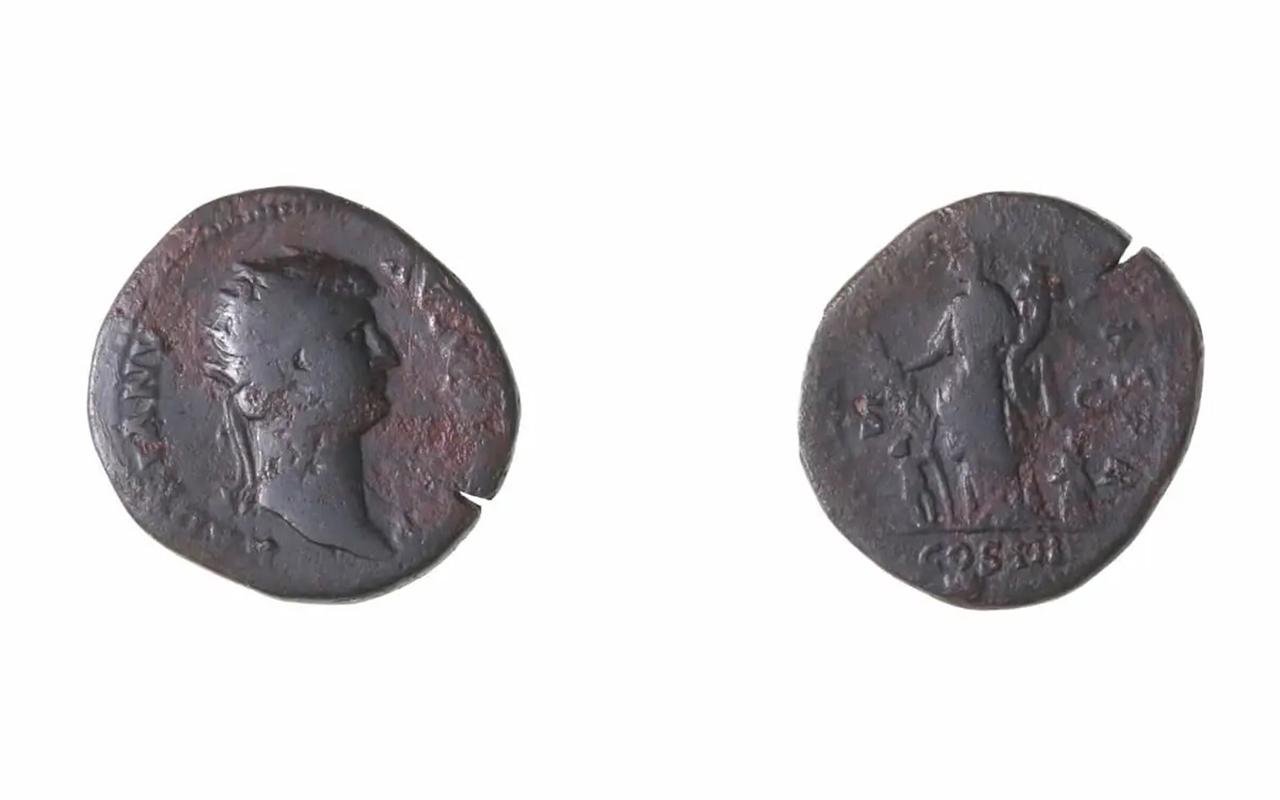
Coins provided the key for dating. The material places the sanctuary between 80 and 171 CE. This period corresponds to the cohort fort at Kumpfmühl and the adjacent civilian settlement along the Danube. The dates fall before the foundation of the large legionary camp of Castra Regina. The evidence shows that followers of Mithras gathered in Regensburg decades earlier than many had assumed.
The find holds two distinctions. It is the first Roman-period sanctuary identified within Regensburg’s old town. It is also the oldest of nine Mithraea recorded so far in Bavaria. Most known Mithraic temples in the region date from the late second and third centuries. Worship of Mithras reached its height during those centuries and declined as Christianity spread in the fourth and early fifth centuries.
The discovery adds detail to the early history of the Danube settlement, an area that scholars have studied less than the later legionary base. The presence of a Mithraeum suggests a diverse religious environment among soldiers and civilians on the frontier. Mithraic communities often drew members from the military, merchants, and administrators. Physical remains such as altars, cult vessels, and animal bones provide rare evidence because no sacred texts from the cult have survived.
Because of the importance of the material, the City of Regensburg and the Bavarian State Office for Monument Preservation are funding a dedicated research project. Specialists continue to evaluate the finds. Once conserved and studied, the objects will enter the collection of the Regensburg City Museums. Future exhibitions will place the sanctuary within the broader story of Roman Regensburg and the province of Raetia.
Fragments of pottery, corroded metal fittings, and a weathered stone might appear modest on their own. Together they mark the earliest known Mithraic sanctuary in Bavaria and reshape the timeline of religious life along the Danube frontier.
More information: Stadt Regensburg














Disclaimer: This website is a science-focused magazine that welcomes both academic and non-academic audiences. Comments are written by users and may include personal opinions or unverified claims. They do not necessarily reflect the views of our editorial team or rely on scientific evidence.
Comment Policy: We kindly ask all commenters to engage respectfully. Comments that contain offensive, insulting, degrading, discriminatory, or racist content will be automatically removed.