
A large stone vessel workshop from the Second Temple period has come to light on the eastern slopes of Mount Scopus in Jerusalem after authorities arrested a group suspected of looting antiquities. Inspectors from the Israel Antiquities Authority began watching the Ras Tamim site when they saw fresh digging and signs of attempts to reach an underground space.
Surveillance teams followed activity in the area for several days. During a nighttime operation, officers arrested five suspects. They carried a generator, quarrying equipment, and a metal detector. Some were inside a cave, while others remained above ground as lookouts. After questioning, the suspects admitted to the offenses. Prosecutors plan to file charges for illegal excavation and damage to an antiquities site, offenses punishable by up to five years in prison.
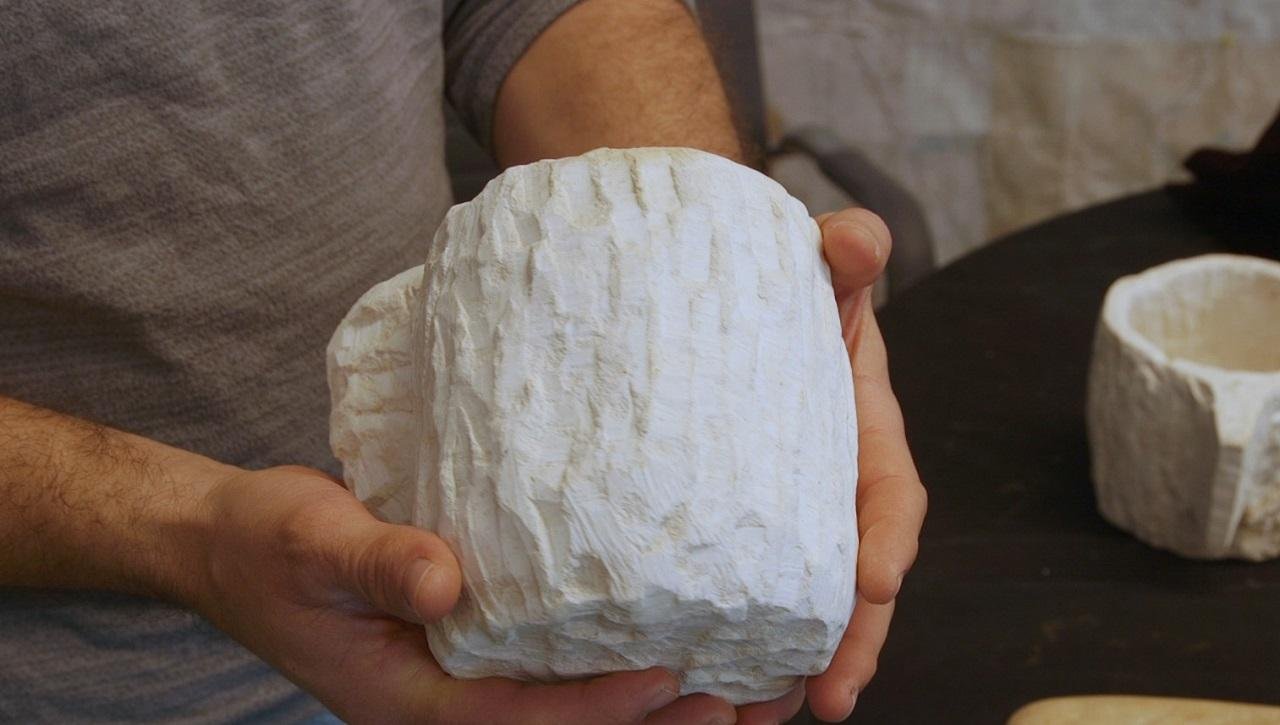
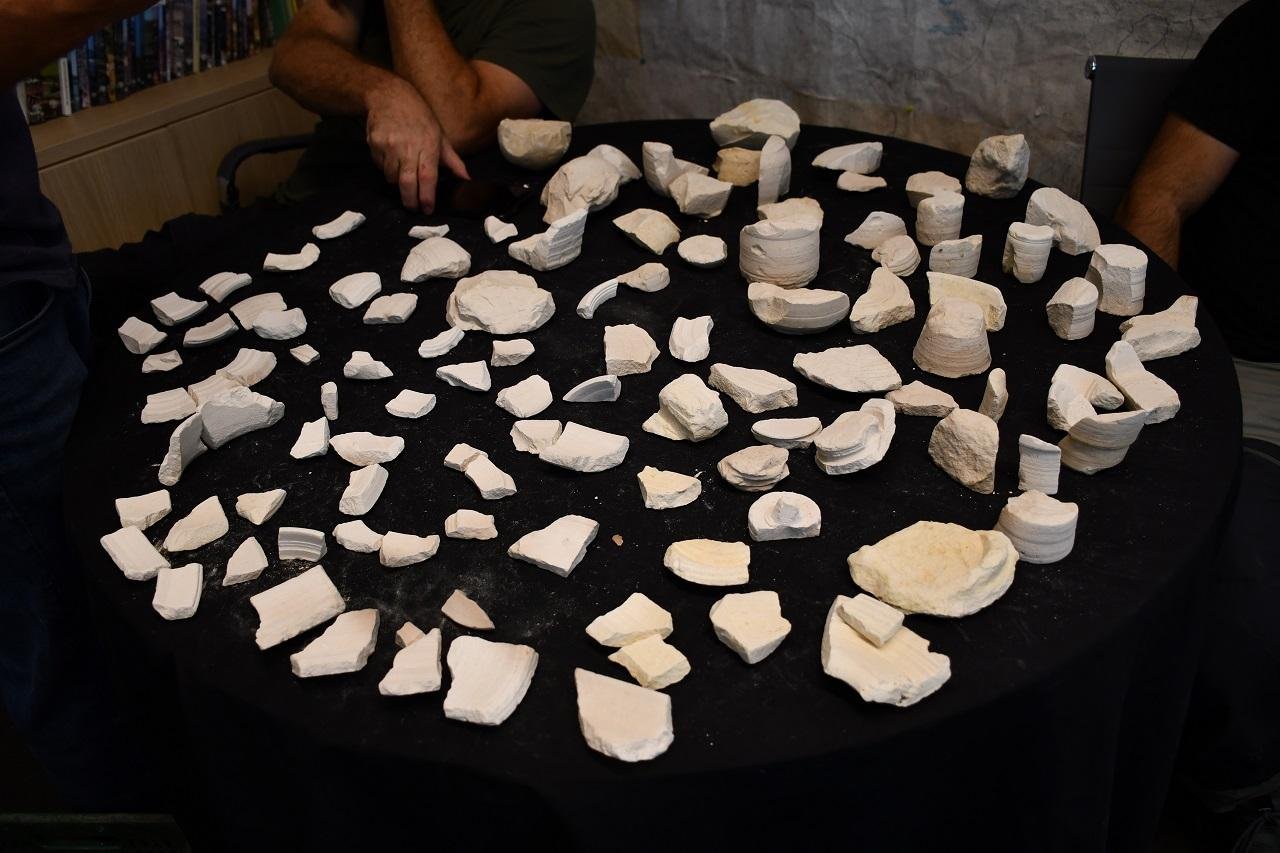
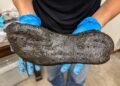
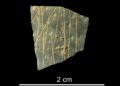
Once the area was secured, inspectors entered the cave. The floor was covered with hundreds of fragments made from chalk limestone. Broken vessel pieces lay beside piles of stone chips and several unfinished items. The finds point to large-scale production about 2,000 years ago, during the late Second Temple period.
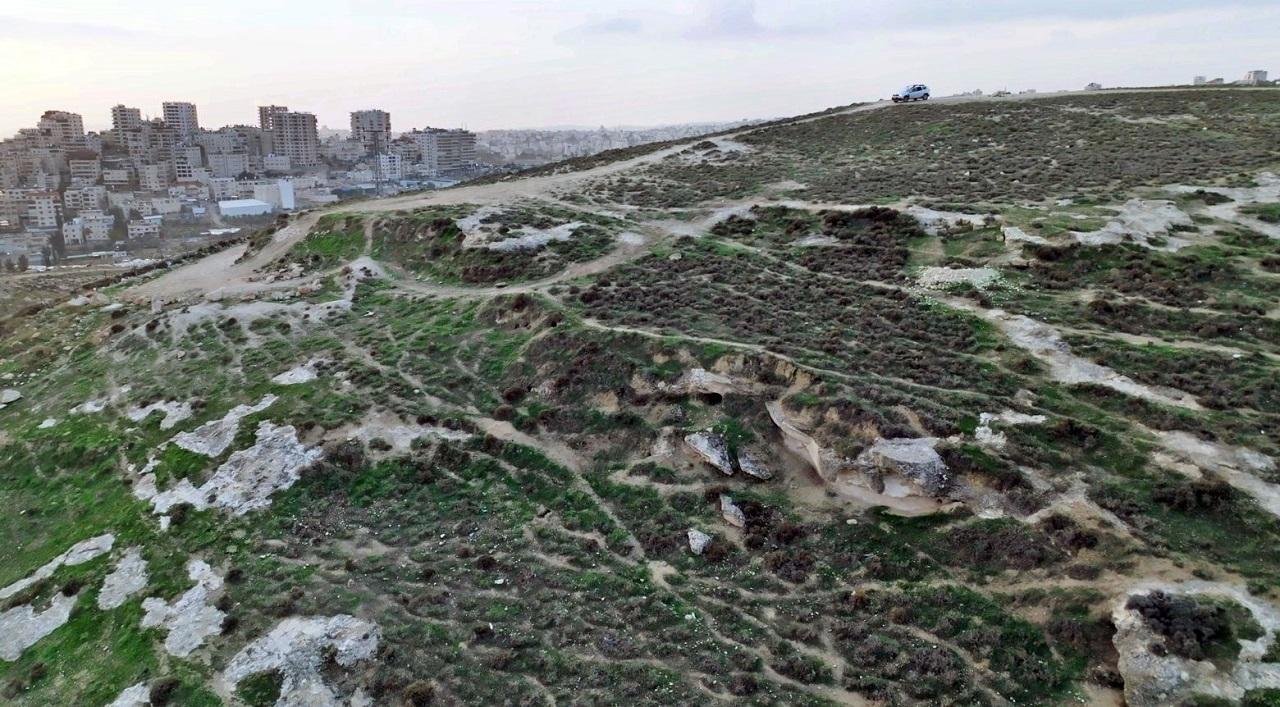
Archaeologists already knew of similar workshops in the Judean hills. Construction work on the Naomi Shemer Tunnel previously exposed another production site near Mount Scopus. Excavations north of Jerusalem in Hizma revealed a further workshop. The new evidence strengthens the view that this zone supported organized stone vessel manufacture tied to Jerusalem’s economy.
Other remains in the area include tombs, large water reservoirs, a limestone quarry, and a ritual bath known as a mikve. These structures suggest steady settlement and activity along the main road leading to Jerusalem from the east. Pilgrims traveling from the Jordan Valley, Jericho, Transjordan, and the Dead Sea region would have passed through this route on their way to the Temple. Researchers think merchants sold the stone vessels in Jerusalem’s markets to residents and visitors.

Stone vessels played a distinct role in Jewish life in the late Second Temple period. Archaeological finds show their use centered in Jewish communities, especially in Jerusalem and Judea. Written sources from the period describe stricter observance of purity laws. Archaeologists have recorded ritual baths in private homes, villages, and urban neighborhoods, in addition to large public mikvaot near the Temple. Rabbinic texts refer to an outbreak of purity in Israel, indicating broader observance among the population.
The volume of waste and unfinished pieces in the Mount Scopus cave points to steady demand. Under Jewish law, stone vessels did not contract ritual impurity in the same way as pottery. Households seeking to follow purity rules would have preferred such items for daily use, including storage and food preparation.
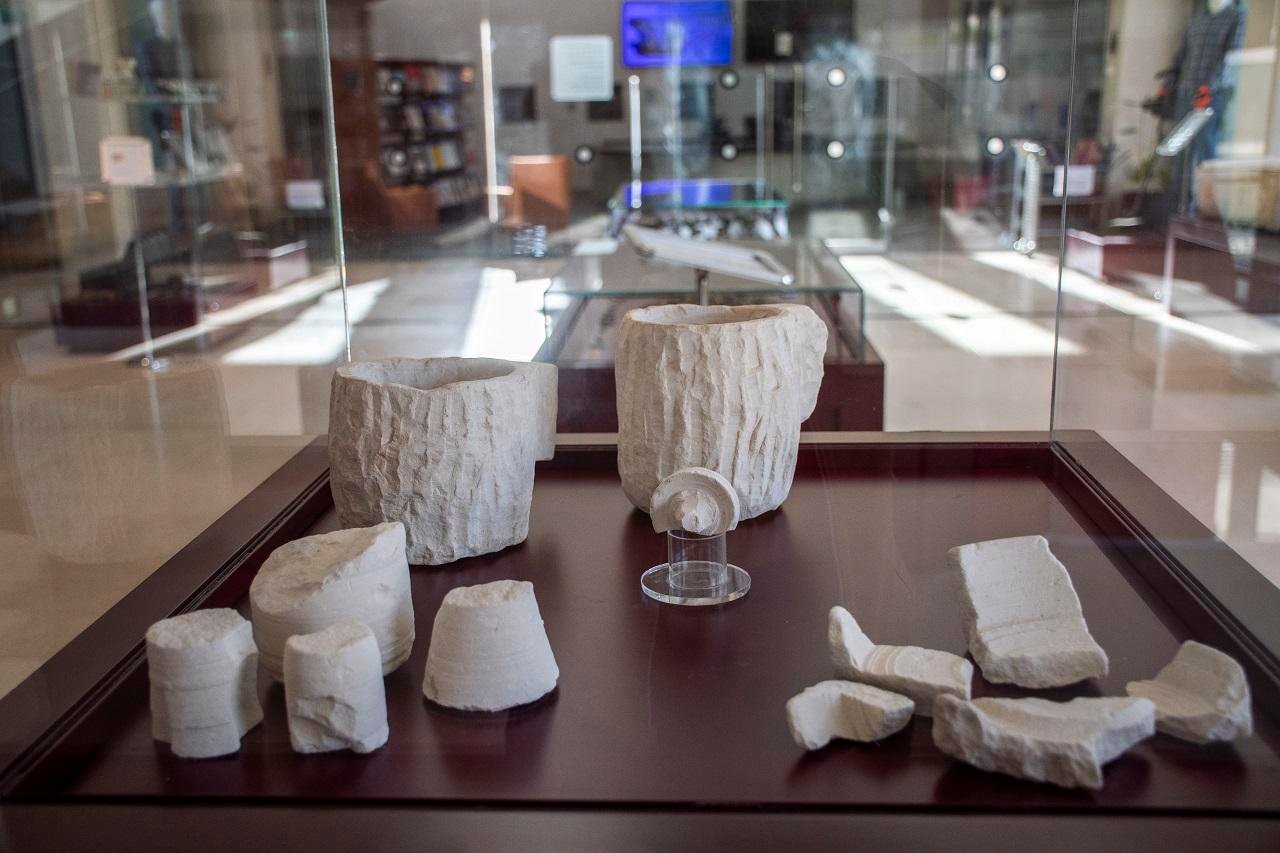
The recovered artifacts are now on display in the exhibition Criminal Past at the Jay and Jeanie Schottenstein National Campus for the Archaeology of Israel in Jerusalem. The exhibition presents objects seized from illegal excavations and traces the path from unauthorized digging to the antiquities market. Visitors also learn about the work of the Israel Antiquities Authority’s Theft Prevention Unit, whose field operations led to the arrest of the suspects and the exposure of this workshop.











Disclaimer: This website is a science-focused magazine that welcomes both academic and non-academic audiences. Comments are written by users and may include personal opinions or unverified claims. They do not necessarily reflect the views of our editorial team or rely on scientific evidence.
Comment Policy: We kindly ask all commenters to engage respectfully. Comments that contain offensive, insulting, degrading, discriminatory, or racist content will be automatically removed.