
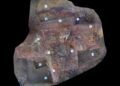
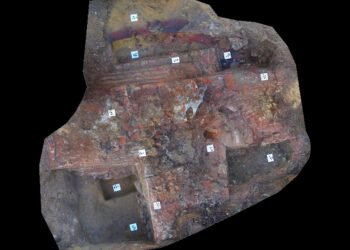
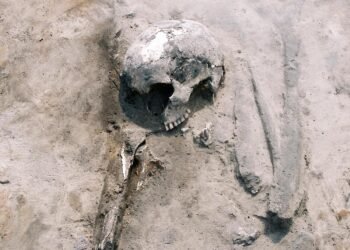
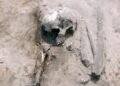
Cambridge University archaeologists and students found a burial pit with human remains at Wandlebury Country Park, a few miles south of Cambridge. The team worked on a training excavation near an Iron Age hillfort known in the area for decades. As digging continued, a narrow pit came into view, about four meters long and one meter wide. A mix of complete skeletons and loose bones filled the feature, all from young adult males.
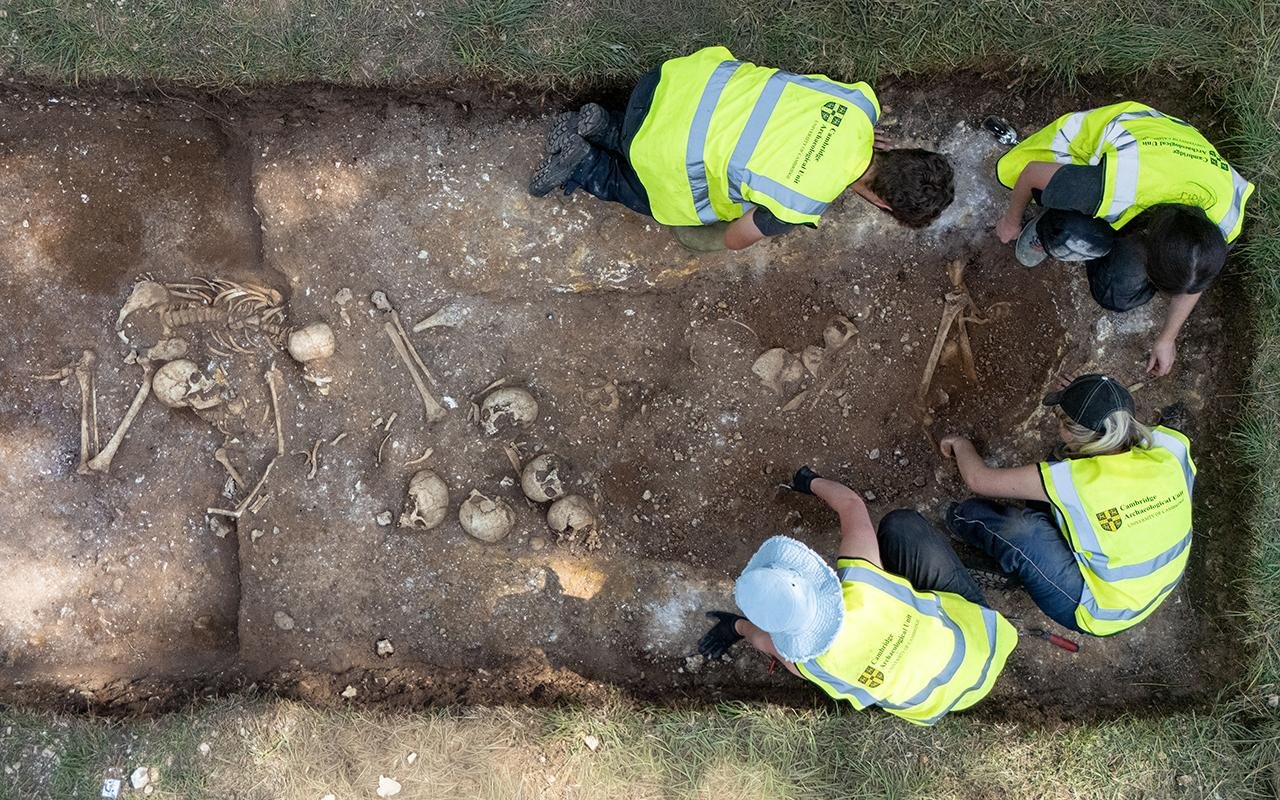
Four skeletons lay in full anatomical order. Close by sat several skulls with no matching bodies. A separate pile held leg bones. Cut marks appeared on some remains, including clear evidence of beheading on one jaw. Several bodies lay face down, and arm positions suggested bound wrists at the time of death. The scattered arrangement and condition of the bones point to deliberate violence followed by quick burial.
Radiocarbon dating from one individual places the burial between the late eighth and late ninth centuries. Eastern England saw repeated conflict during those years. Cambridge stood near a shifting boundary between Anglo-Saxon territories and Viking controlled lands. Written sources describe Viking forces moving through the region in the 870s, which fits the date range from the grave.
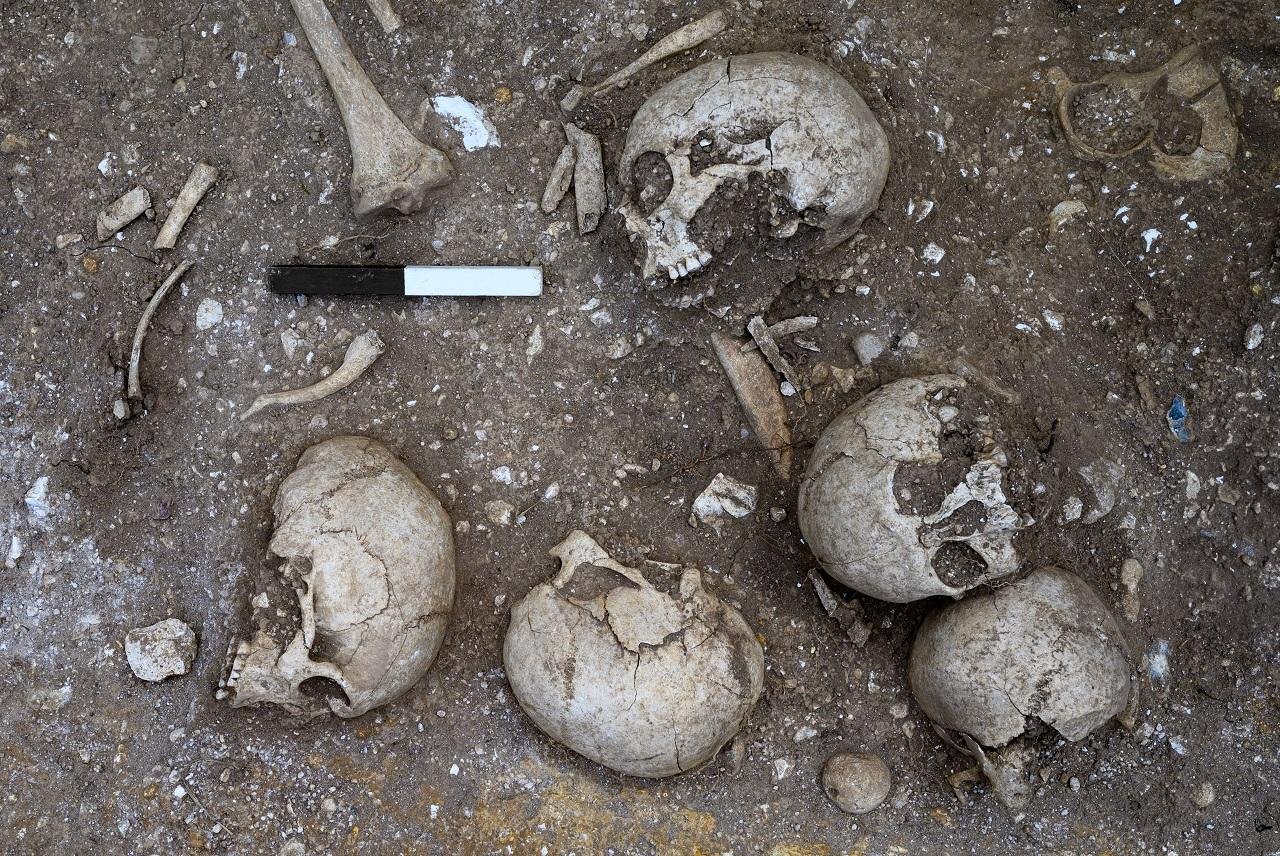
The pattern of injuries differs from typical battlefield burials. Wounds linked to close combat appear on only a few individuals. The grouping of severed heads and limbs suggests punishment or execution. Wandlebury served as an important gathering place for centuries, which raises the chance of public display before burial. Some bones show surface changes linked to short exposure before burial, which supports a delay between death and interment.
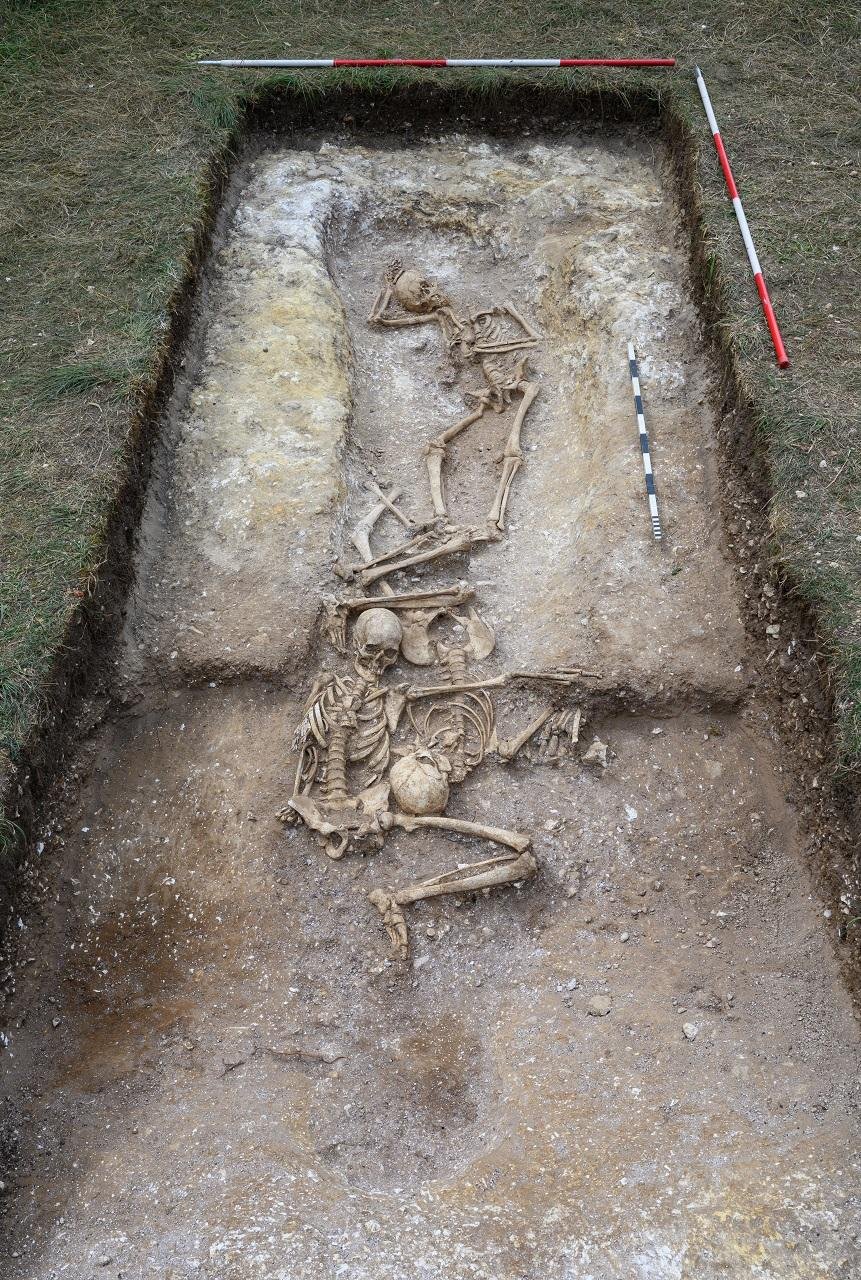
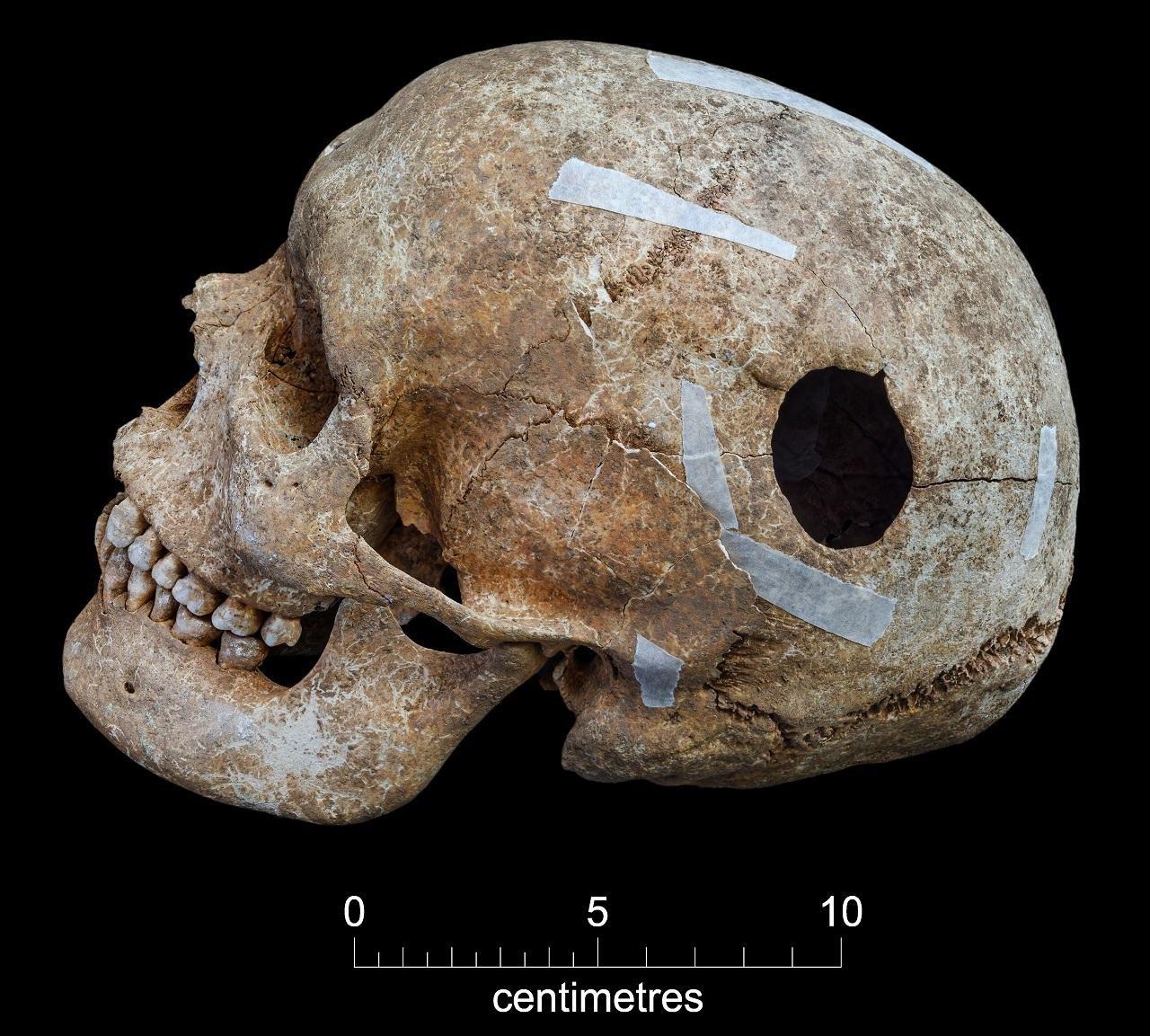
One skeleton draws special attention. The young man stood close to 1.95 meters tall, far above the average male height of about 1.68 meters in early medieval England. His skull shows a round hole about three centimeters wide on the rear left side. New bone growth along the edges signals healing after the opening formed. The shape and placement match trepanation, a surgical practice known from many past societies.
The long bones in his arms and legs show unusual thickness and length. Specialists connect these traits with excess growth hormone during adolescence, often linked to a tumor in the pituitary gland. People with this condition face headaches and pressure within the skull. Trepanation served as an effort to reduce pressure. Survival after the procedure points to care and medical knowledge within his community before death.
Researchers transferred the remains to laboratory facilities for further testing. Planned work includes ancient DNA analysis and chemical isotope study. These tests will help identify geographic origin, diet, and possible family ties among the individuals. Results may show whether the group included local residents, outsiders, or both.
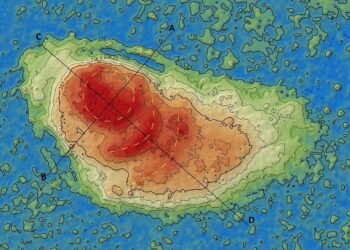
Human remains last appeared at Wandlebury in 1976 after a storm uprooted a tree and exposed several skeletons from a similar period. The recent excavation adds more evidence of violent events tied to regional power struggles. A geophysical survey of the surrounding area will search for related features from the same era. Each layer of soil adds detail to a period shaped by conflict and shifting control.
More information: Cambridge University










Disclaimer: This website is a science-focused magazine that welcomes both academic and non-academic audiences. Comments are written by users and may include personal opinions or unverified claims. They do not necessarily reflect the views of our editorial team or rely on scientific evidence.
Comment Policy: We kindly ask all commenters to engage respectfully. Comments that contain offensive, insulting, degrading, discriminatory, or racist content will be automatically removed.