A ziggurat refers to a stepped temple tower built in ancient Mesopotamia. Builders raised these monuments in cities across Sumer, Akkad, Babylonia, and Assyria from the late fourth millennium BCE onward. Each structure formed part of a temple complex dedicated to a city’s main deity.
Architects designed ziggurats as solid platforms stacked in receding tiers. Workers shaped millions of sun-dried mud bricks for the core. Craftspeople covered outer faces with fired bricks set in bitumen mortar to resist rain. A broad staircase or ramp led from ground level to the upper terraces. A shrine stood on the top platform. Priests performed rituals in this elevated sanctuary.

Ur offers one of the best preserved examples. King Ur Nammu ordered construction around 2100 BCE during the Third Dynasty of Ur. The base measured about 64 by 46 meters. The original height reached roughly 30 meters. Three stairways met at a gate before the first terrace. Archaeologists restored lower levels in the twentieth century using surviving foundations and brick stamps bearing the king’s name.
Babylon held another famous ziggurat, Etemenanki, linked with the god Marduk. Ancient texts describe a tower with seven stages. Greek historian Herodotus wrote about a massive stepped temple in Babylon during the fifth century BCE. Excavations in the early twentieth century uncovered a square foundation about 91 meters on each side. This scale marked one of the largest temple towers in Mesopotamian history.
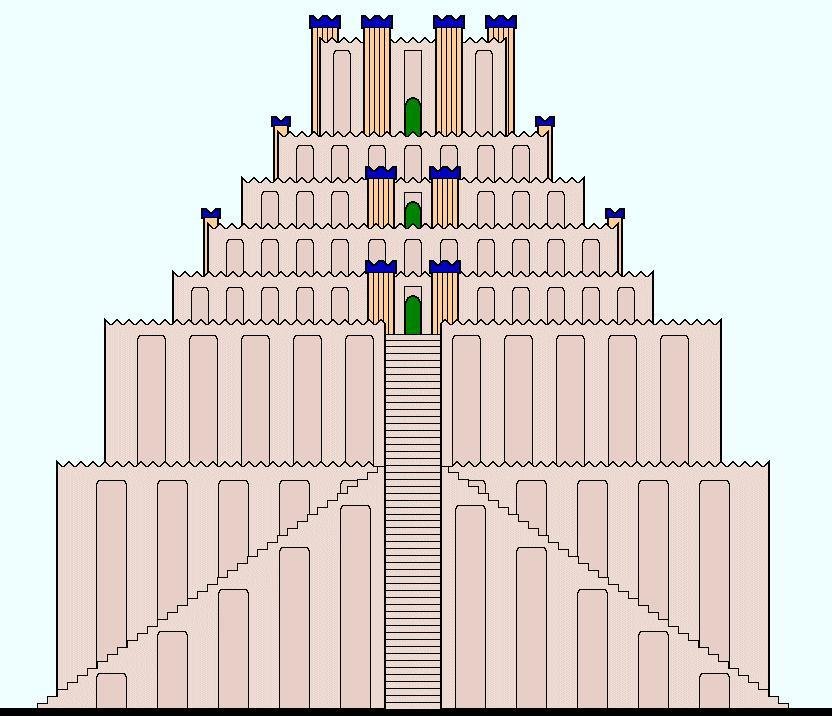
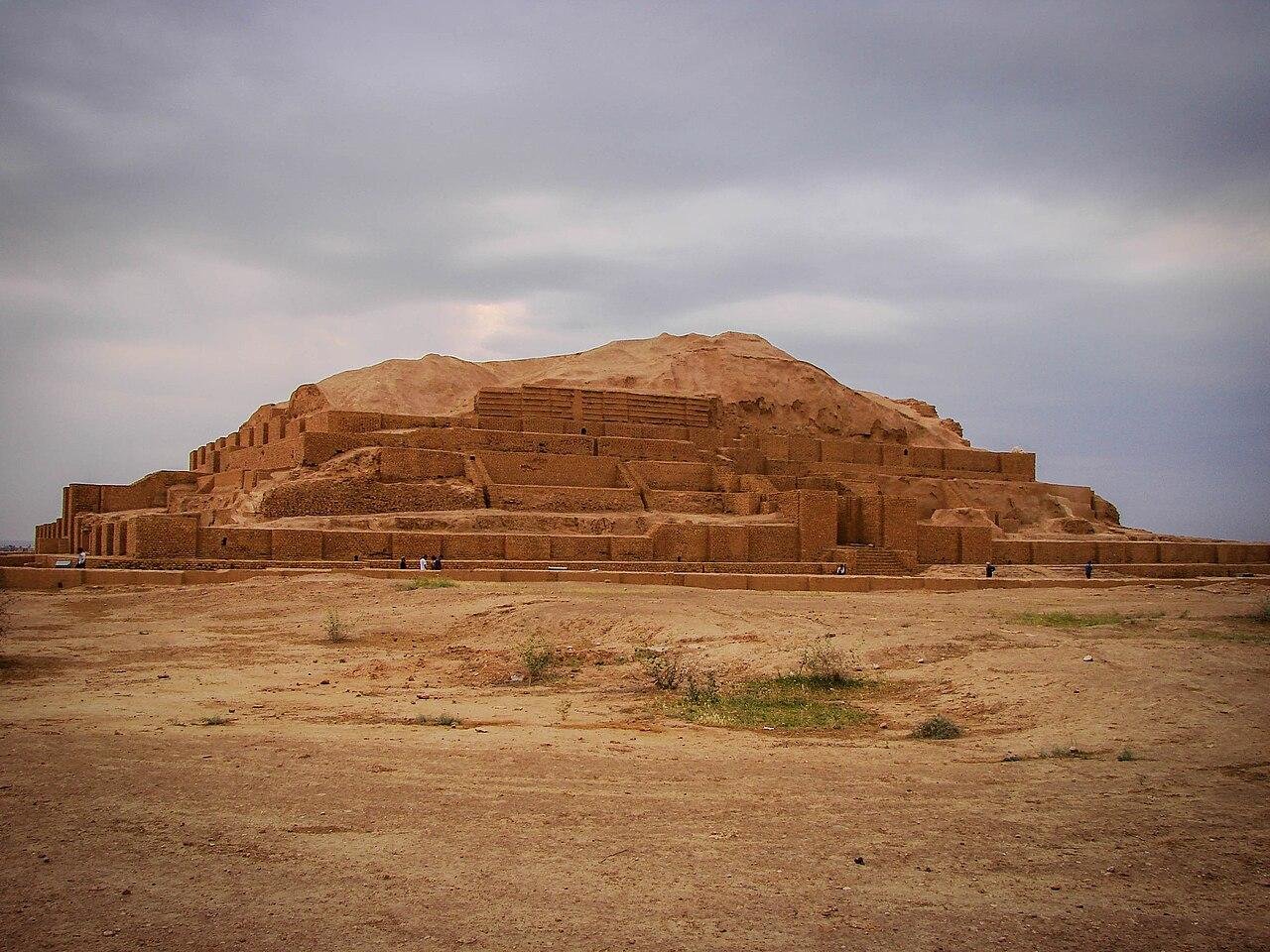
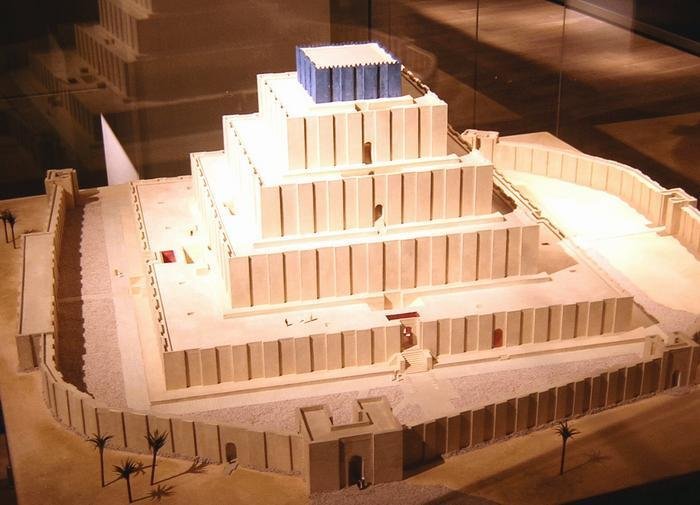
Elamite builders raised a major ziggurat at Chogha Zanbil in present-day Iran around 1250 BCE. King Untash Napirisha founded a new religious center there. The monument once rose in five levels and reached about 52 meters in height. Glazed bricks and inscribed plaques decorated the façades. This site shows how the ziggurat form spread beyond Mesopotamia.
Religious practice shaped ziggurat design. Mesopotamian belief placed gods in celestial space above human settlements. Height symbolized closeness to divine presence. Restricted access reinforced sacred status. Priests controlled entry to upper terraces and the summit shrine.
Ziggurats differ from Egyptian pyramids in function and structure. Egyptian pyramids served as royal tombs with internal chambers. Mesopotamian ziggurats functioned as temple platforms and lacked burial rooms. Solid cores provided stability on alluvial plains where stone remained scarce.
Floods, erosion, and brick robbing damaged many ziggurats after abandonment. Archaeological excavation since the nineteenth century documented foundations, stairways, and drainage systems. Cuneiform tablets, foundation cones, and brick inscriptions supply names of rulers and deities linked with each monument. These sources allow reconstruction of building sequences and religious roles within ancient urban life.