
In 2023, an unexpected moment in a quiet museum gallery sparked a significant shift in how scholars understand some of the Roman Empire’s most intricate glass vessels. The turning point came when Washington State University art historian and glassblower Hallie Meredith was studying a private collection of carved glass cage cups, known as diatreta, at the Metropolitan Museum of Art. There she noticed something unusual on the back of one of the cups. What had been long dismissed as simple decoration suddenly seemed to form a repeated, intentional pattern.
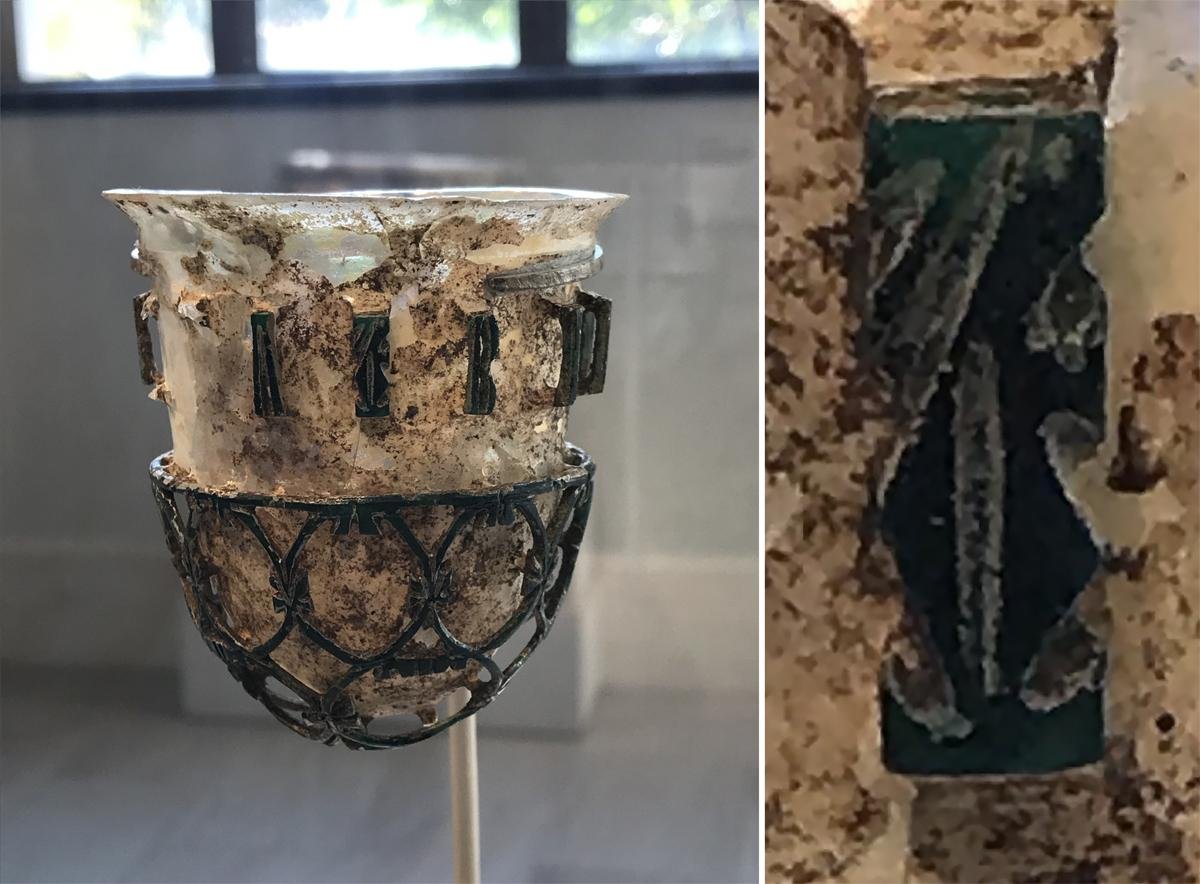
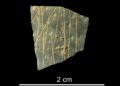
Meredith’s close look suggests that these long-overlooked symbols were not ornaments at all, but makers’ marks, visual signatures of the workshops that created them. Her studies, published in the Journal of Glass Studies and World Archaeology, trace identical or near-identical symbols across several surviving pieces. This pattern, she argues, reveals coordinated production among teams of engravers and polishers rather than the work of solitary master artisans.
She examines tool marks, unfinished objects, and repaired or recycled fragments for evidence of a more complex craft world than had been assumed, one in which groups of workers collaborated and shared techniques across industries, leaving behind messages in code that scholars overlooked. The symbols accompanying inscriptions, once vaguely described as “stop-marks,” now appear to form a deliberate visual language used to communicate within and between workshops.
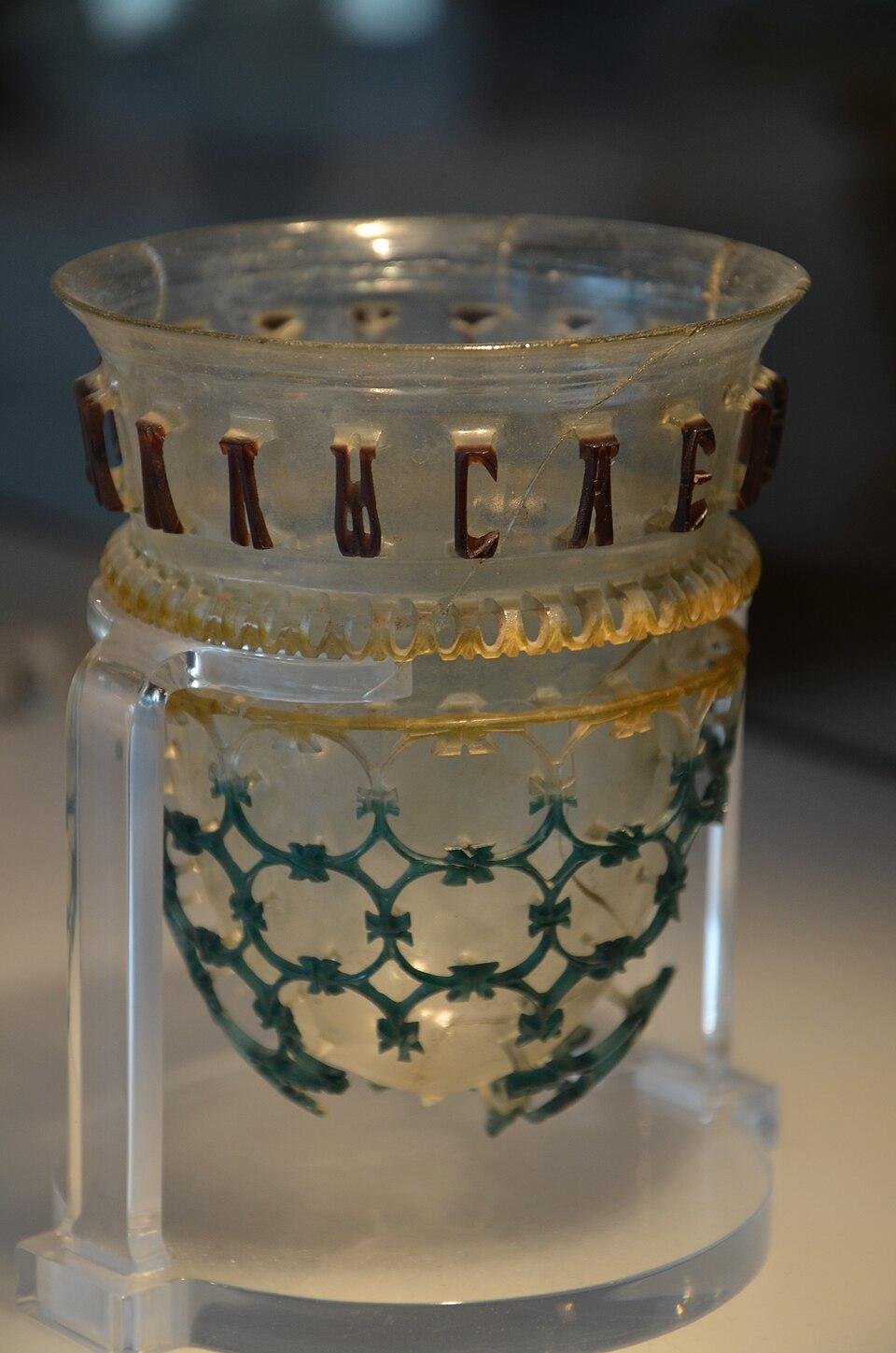
This reinterpretation also reframes long-standing debates about how diatreta were produced. Rather than being generated through individual skill or reliant on a single method of carving, casting, or blowing, the vessels appear to be the result of a collective process that could stretch over an extended time. Makers’ marks may have functioned like studio logos, showing that branding existed in ancient craft traditions far earlier than modern scholars recognized.
Meredith’s experience as an active glassblower provides her with rare insight into the physical demands of the craft. Her work stresses the importance of understanding ancient craftsmen not just by technical analysis, but also by considering their lived experiences: their labor, training, and creativity.
Her broader research investigates how these craftworkers communicated by means of irregular spellings, mixed alphabets, and unconventional inscriptions. A new database, developed in collaboration with computer science students, will trace these features on thousands of objects and thus illuminate the work of scribes and artisans operating in multilingual environments.
This evidence uncovers a dynamic, interconnected world of Roman craft production, one with its own systems of communication, collaboration, and identity.














Disclaimer: This website is a science-focused magazine that welcomes both academic and non-academic audiences. Comments are written by users and may include personal opinions or unverified claims. They do not necessarily reflect the views of our editorial team or rely on scientific evidence.
Comment Policy: We kindly ask all commenters to engage respectfully. Comments that contain offensive, insulting, degrading, discriminatory, or racist content will be automatically removed.