
A new genetic study is providing the most detailed picture to date of the people who built Shimao, a vast fortified settlement in northern Shaanxi that flourished more than four millennia ago. The research, published in Nature, helps clarify the ancestry, social organization, and ritual practices of one of late Neolithic China’s most influential early urban centers.
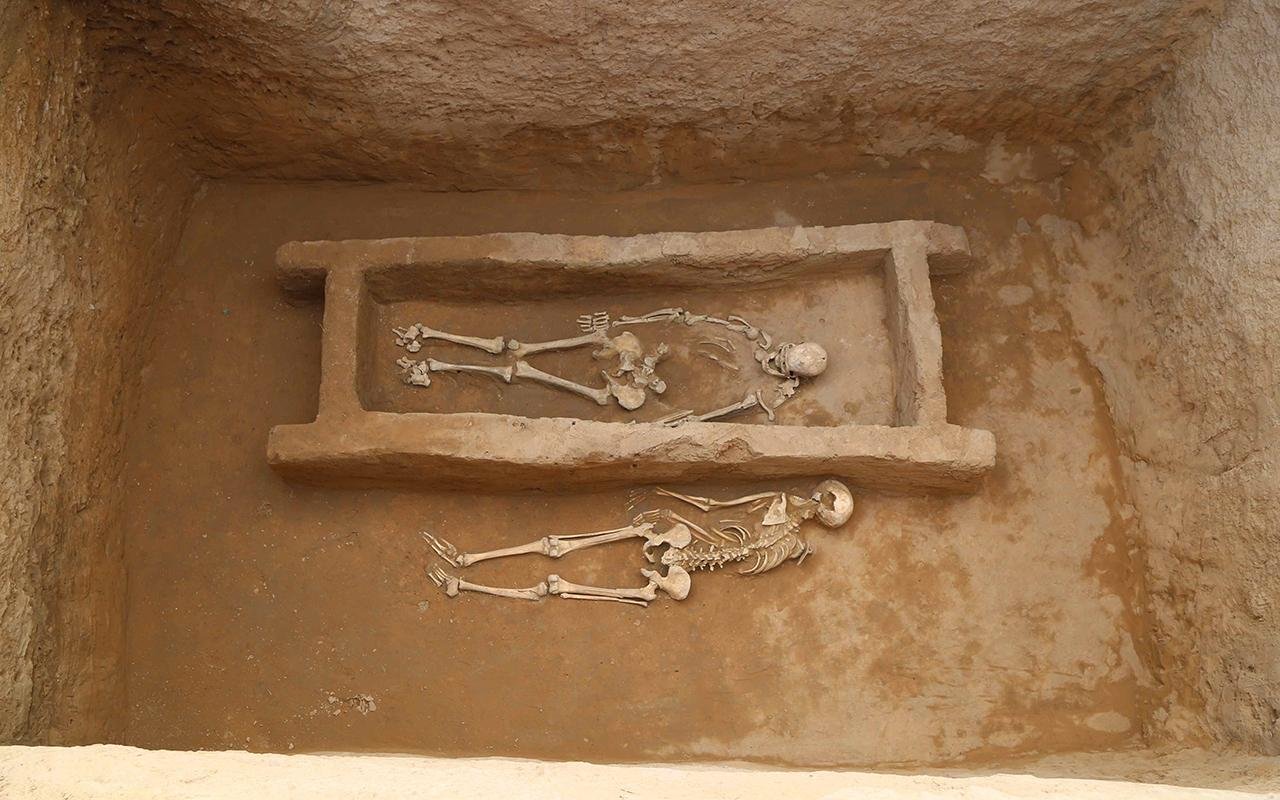
Shimao was occupied from approximately 4,200–3,700 years ago, stretching over nearly four square kilometers and divided into specialized zones marked by complex architecture, elite residences, and evidence of large-scale ritual activity. While archaeologists have long recognized the city’s sophisticated planning and stratified society, key questions remained about where its founders came from and how they organized power within an emerging state-level community.
To better understand these issues, an interdisciplinary team of researchers from the Institute of Vertebrate Paleontology and Paleoanthropology spent over a decade analyzing ancient genomes from 169 individuals excavated at Shimao, its satellite settlements, and sites in southern Shanxi. Their sequencing of 144 unrelated individuals enabled them to reconstruct multigenerational pedigrees and track broader patterns of ancestry across the region.
The results indicate that most of Shimao’s builders descended from local groups in the Yangshao tradition, a Neolithic culture centered on the Loess Plateau. This continuity goes back at least a millennium, meaning Shimao could not have emerged as a sudden migration or replacement. Instead, the development of Shimao reflects long-term regional growth with steady contact with neighboring communities.
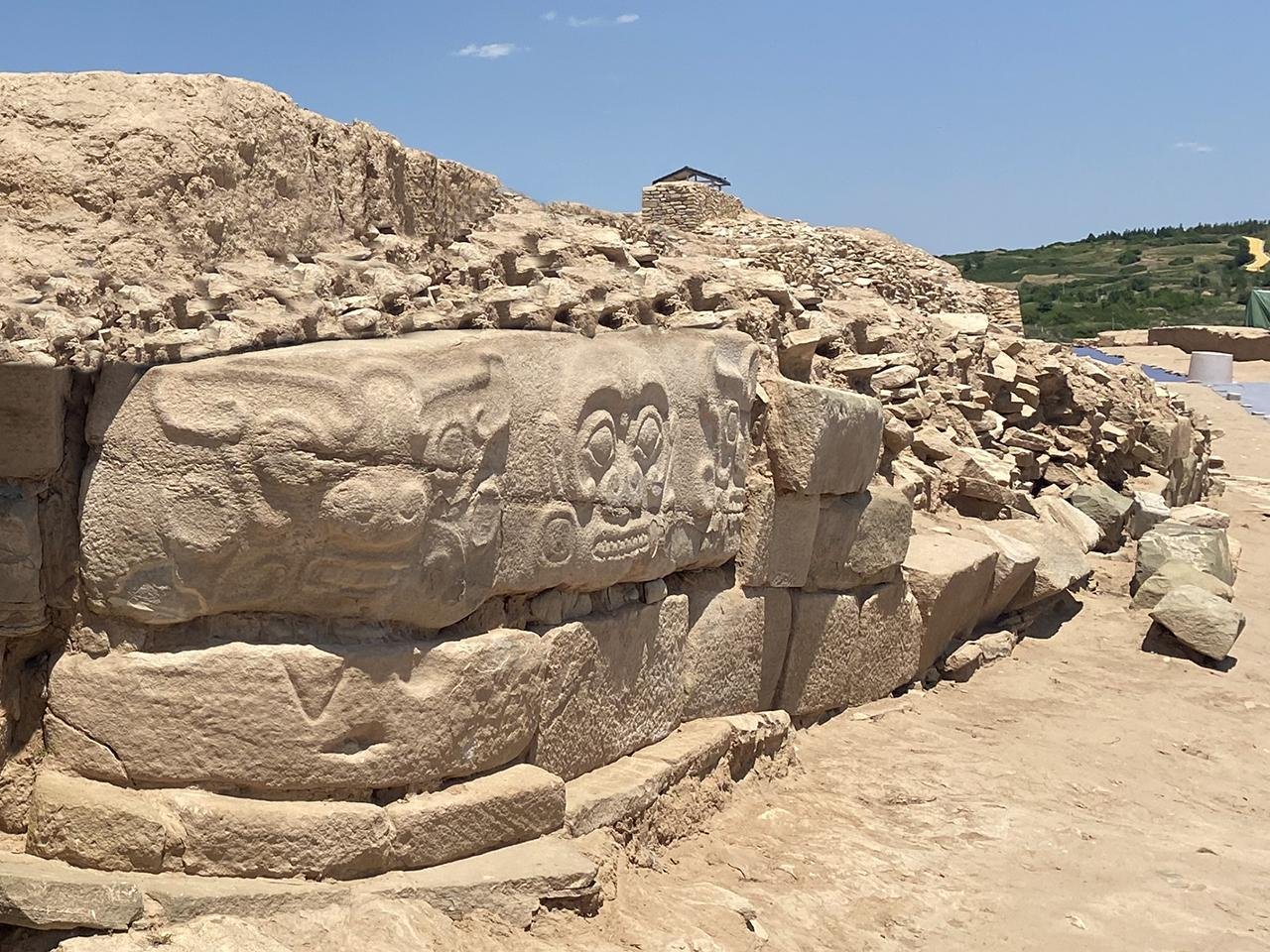
The study also uncovered genetic inputs from various directions: populations related to the Taosi culture of southern Shanxi, Yumin-related groups from the steppe, and communities farther south associated with early rice farming. These results suggest interactions among northern farmers, pastoralists, and groups from more subtropical regions, indicating broader cultural and economic connections than previously thought.

Perhaps the most striking contribution of this study concerns Shimao’s social structure. The team identified several family lines with multiple generations—up to four—which indicates a strongly patrilineal and patrilocal society wherein both social position and residence were passed through male lines. This pattern also seems to have influenced the ritual practices of the community.
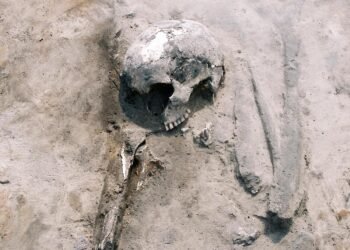
Excavations at the East Gate of Shimao revealed around 80 human skulls, one of the largest such concentrations known from Neolithic China. While earlier interpretations suggested that women may have dominated these sacrificial events, genetic analysis now confirms that the vast majority of the individuals there were men. Women who were sacrificed, on the other hand, were more commonly found in elite cemetery zones such as Huangchengtai and Hanjiagedan. This division implies a highly structured ritual system at Shimao, with gender tied to certain ceremonial roles and locations.
Together, these new findings form the first direct genetic evidence for exploring how early political authority was organized in northern China. They also reveal the interconnected cultural, biological, and economic forces that gave Shimao its shape as one of the earliest large-scale urban societies in East Asia.











Disclaimer: This website is a science-focused magazine that welcomes both academic and non-academic audiences. Comments are written by users and may include personal opinions or unverified claims. They do not necessarily reflect the views of our editorial team or rely on scientific evidence.
Comment Policy: We kindly ask all commenters to engage respectfully. Comments that contain offensive, insulting, degrading, discriminatory, or racist content will be automatically removed.