
A study that puts into perspective the role of macaws and parrots in the social and ceremonial life of ancient Pueblo communities at Chaco Canyon, one of the most important archaeological landscapes in the U.S. Southwest. By examining bird remains alongside archival records, the research presents the most accurate picture of how these birds lived, were cared for, and ultimately were deposited in Chacoan sites.
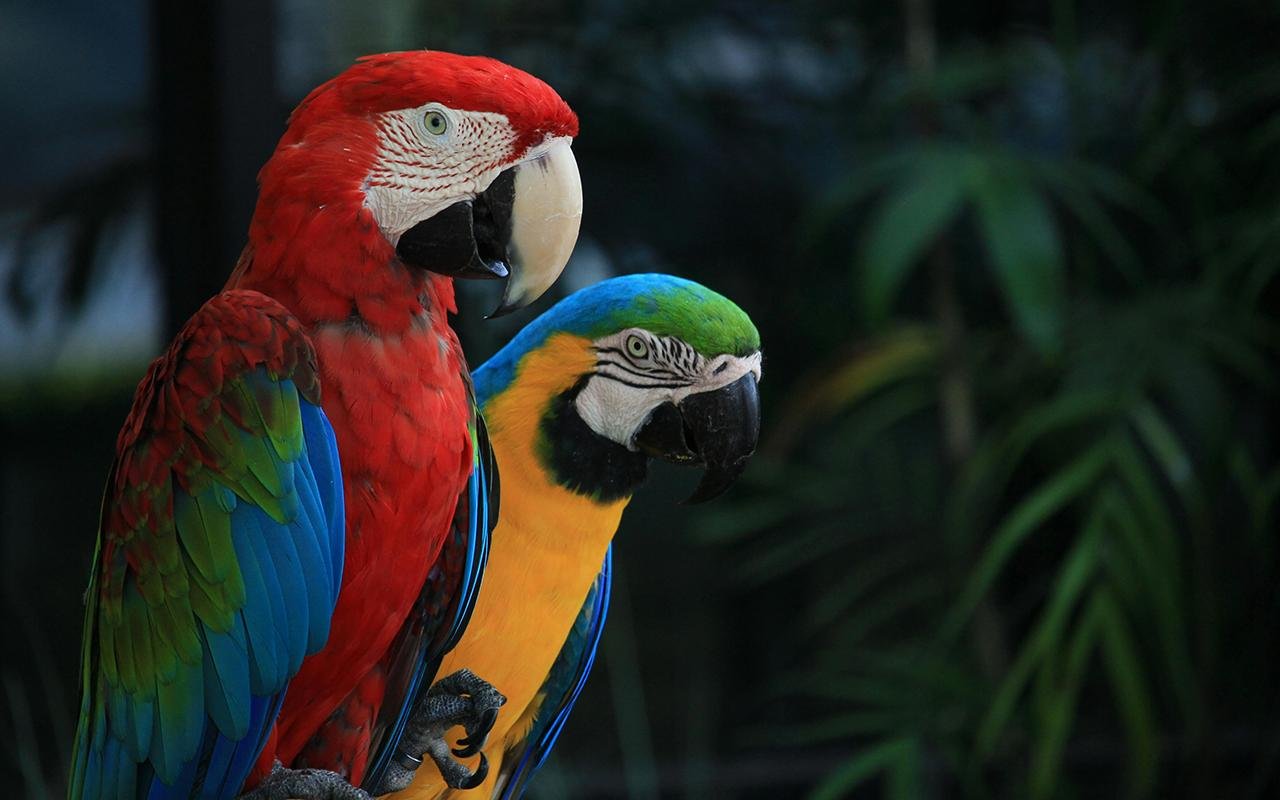
Chaco Canyon saw occupation from the mid-9th to the mid-12th centuries, which also coincided with the growth of what eventually became monumental masonry pueblos, known as Great Houses. While macaw and parrot remains have intrigued researchers for decades, the last analysis of them was published more than half a century ago. This study reexamines that old material using modern zooarchaeological methods and contextual reconstruction.
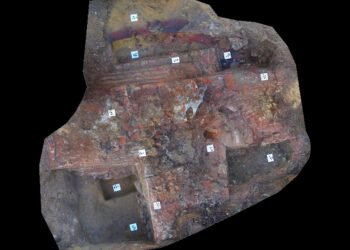
The reanalysis identified the remains of 45 birds from five different sites within the canyon. Most of them were scarlet macaws, with a small number of thick-billed parrots, a species that is not native to the region, and provide evidence of long-distance acquisition. Most of the birds were found in the Great Houses, particularly Pueblo Bonito, the largest and most studied Chacoan building. There, archaeologists found dozens of macaws in large plastered rooms, which often included thermal features, indicating a deliberate effort was put into keeping the birds warm in a harsh environment.
Many of the rooms showed clear signs that live birds had been held inside for long periods. Researchers observed thick layers of droppings, food debris, and what looked like perches, which provides proof that macaws lived in these spaces rather than just being put there for a short time or processed. Individuals ranged widely in age from juveniles to those over the age of twenty, which points to long-term care rather than short-lived use. Also of note is that none of the thousands of analyzed bones showed any signs of butchery, which supports the idea that macaws were not mainly raised for meat and were likely deposited whole after death.

The study also notes intriguing associations, such as the presence of magpie remains alongside macaws, which may reflect shared symbolic qualities like bright coloration or vocal mimicry. Overall, the findings suggest that macaws held powerful cultural and ceremonial significance tied to symbolism involving the sun, rain, color, and directionality, which are still meaningful in many Pueblo traditions today.
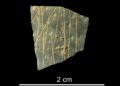

Rather than evidence of exploitation or neglect, the archaeological record tells us of a significant investment in the care of these birds. Through a combination of skeletal analysis and detailed contextual study, the research reveals that macaws did not play only a role in trade as curios, but that they were also key players in ritual life and human–animal relationships in Chacoan society.








Disclaimer: This website is a science-focused magazine that welcomes both academic and non-academic audiences. Comments are written by users and may include personal opinions or unverified claims. They do not necessarily reflect the views of our editorial team or rely on scientific evidence.
Comment Policy: We kindly ask all commenters to engage respectfully. Comments that contain offensive, insulting, degrading, discriminatory, or racist content will be automatically removed.