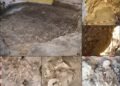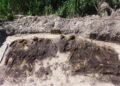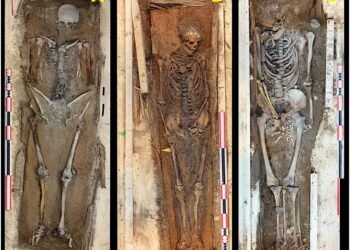
Svalbard whalers show scurvy and extreme labor stress in “corpse point” cemetery
Climate change is rapidly erasing evidence from one of the Arctic’s largest early modern whaling cemeteries, where archaeologists have uncovered ...

Study animal remains from archaeological sites to understand ancient diets, economy, and environments.
Climate change is rapidly erasing evidence from one of the Arctic’s largest early modern whaling cemeteries, where archaeologists have uncovered ...
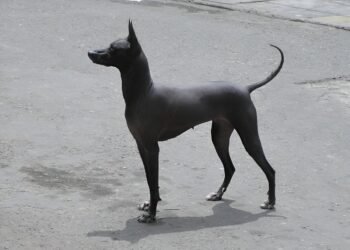
Peruvian hairless dogs lived beside people at a major Wari Empire settlement on Peru’s northern coast more than 1,200 years ...
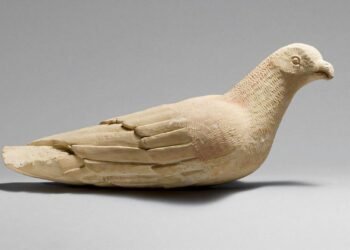
A new study from Cyprus suggests pigeons lived alongside humans and were already moving toward domestication nearly 3,400 years ago. ...
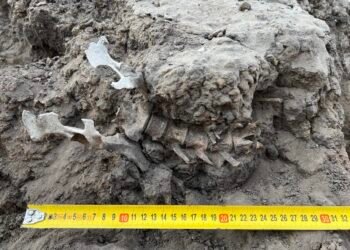
A dingo buried nearly 1,000 years ago along the Baaka, or Darling River, in western New South Wales has given ...
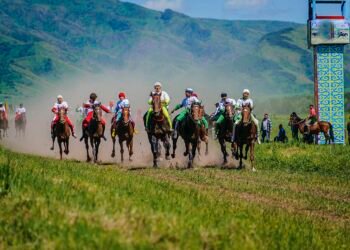
Humans started riding, managing, and trading horses much earlier than many scholars once believed, according to a new study published ...
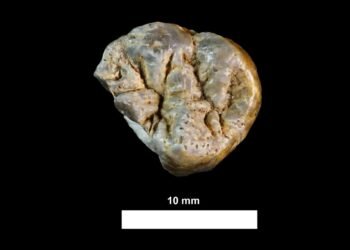
A new study from northern Kenya adds fresh detail to how early humans found, processed, and consumed meat about 1.6 ...
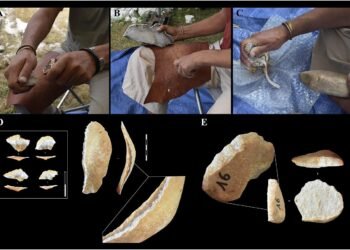
Neanderthals did more with hunted animals than eat their meat. A new study suggests they kept and reused rhinoceros teeth ...
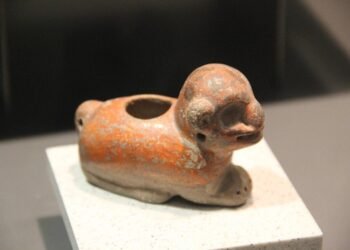
Researchers studying ancient Maya cities in the highlands of Chiapas, Mexico, have found evidence that people transported live dogs across ...
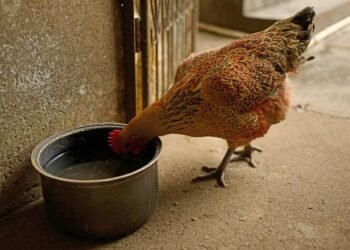
Ancient chicken bones found at an archaeological site in South Korea are giving researchers new evidence about the early history ...
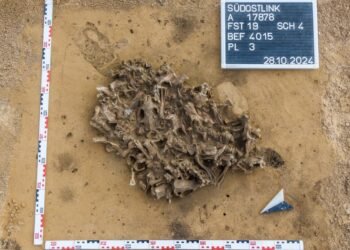
Archaeologists in central Germany have uncovered an unusual 7,000-year-old pit packed with beaver bones, offering a rare look at hunting ...