
Ancient chicken bones found at an archaeological site in South Korea are giving researchers new evidence about the early history of domestic chickens on the Korean Peninsula.
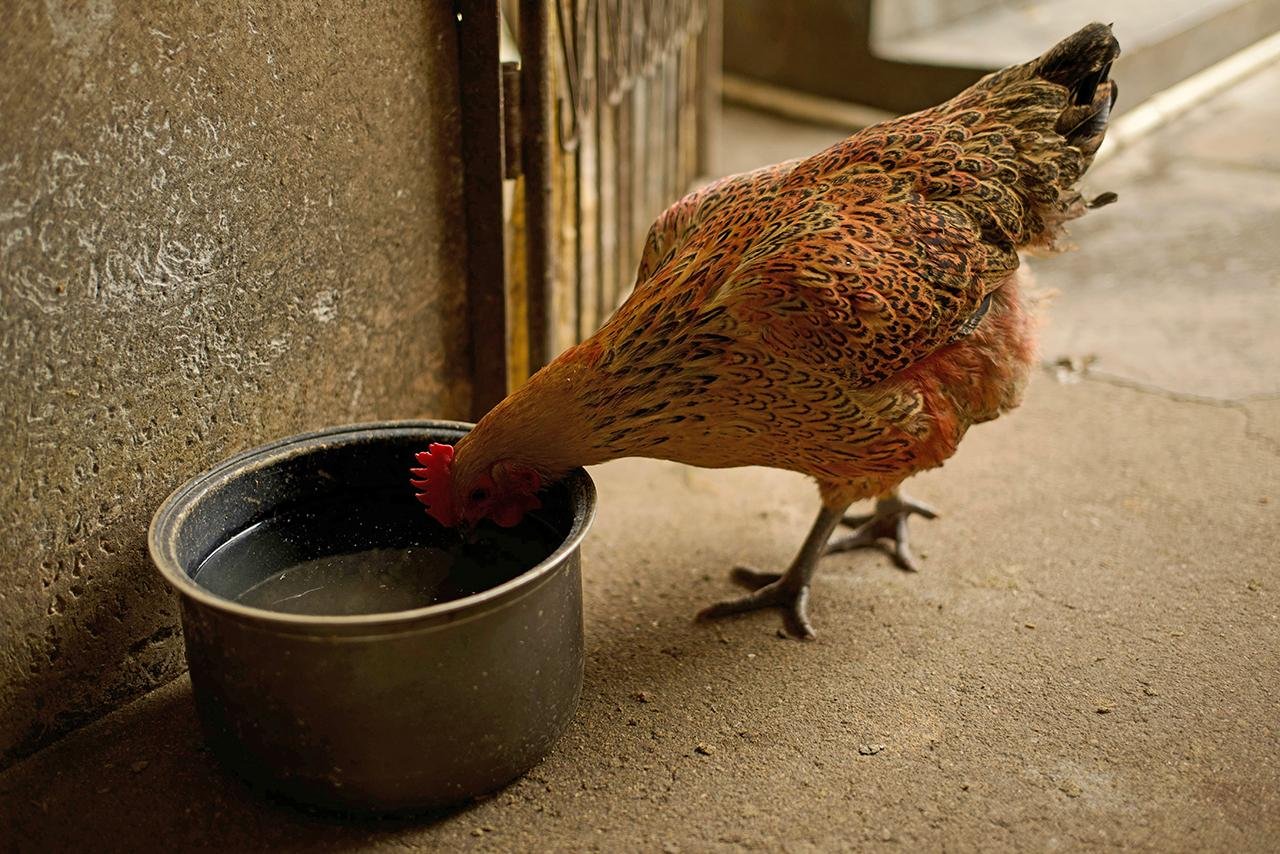
A team led by Kyungcheol Choy of Hanyang University ERICA studied bird remains from the Gungok-ri site in southwestern Korea. Their results appeared in the Journal of Archaeological Science: Reports. The study focused on a long-standing problem in Korean archaeology. Chicken bones and wild pheasant bones look very similar, especially when remains are broken into small fragments, which makes identification difficult.
Researchers examined 14 bird bone samples from the pheasant family using Zooarchaeology by Mass Spectrometry, known as ZooMS. This method studies collagen peptides preserved in bone and identifies species through molecular patterns. Even tiny samples, sometimes as small as 2 milligrams, are enough for analysis.
The results showed five of the 14 samples belonged to domestic chickens, Gallus gallus. This gives the first direct biomolecular evidence for domestic chickens in ancient Korea.
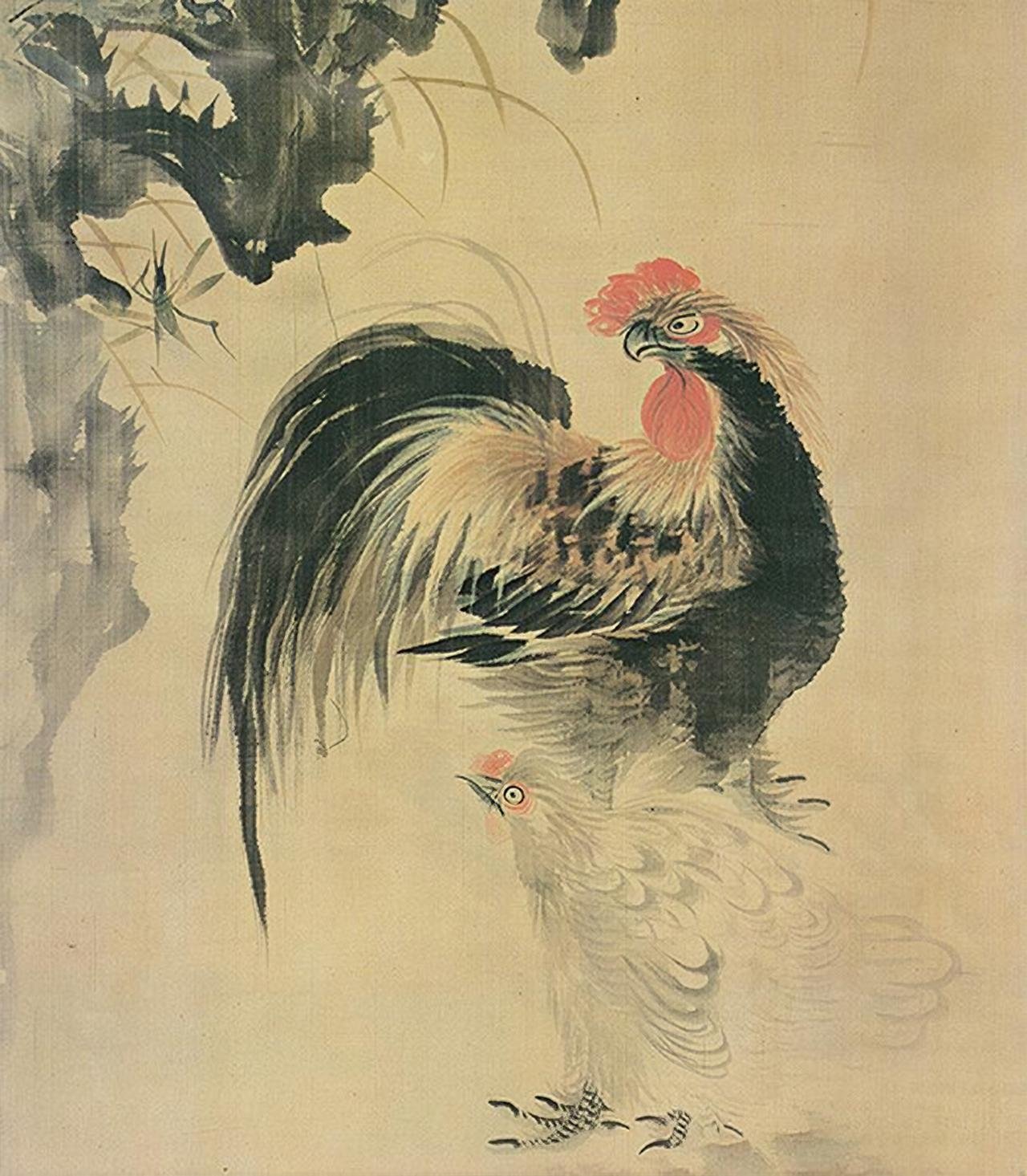
Radiocarbon dating placed the chicken remains between 80 CE and 361 CE. These dates fall within Korea’s Proto-Three Kingdoms period, which lasted from 108 BCE to 313 CE. The findings suggest chickens lived at Gungok-ri for more than 300 years.
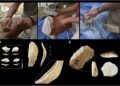
The team also studied stable isotopes preserved in bone collagen. The chickens showed nitrogen isotope values of around 4‰. This pattern points to diets shaped by human feeding practices. Researchers interpret this as evidence these birds were raised and managed by local communities rather than hunted in the wild.
Earlier studies at the site had relied on bone shape and identified four possible chickens. The new molecular analysis confirmed five chicken specimens and provided stronger proof for their presence.
The study adds new information to a wider question about how domestic chickens spread across East Asia. Scholars have often suggested chickens moved from China to Japan through Korea, though direct evidence from the peninsula had been limited. The Gungok-ri material now places managed domestic chickens in Korea during the first to fourth centuries CE.
Researchers say the same methods could help identify other ancient domestic animals from Korean sites, including pigs, cattle, dogs, and horses. Many animal remains found in excavations are too fragmented for visual identification alone.
The work also marks the first use of ZooMS on bird remains in Korean archaeology. By applying this method to more sites, researchers hope to build a clearer timeline for when chickens first arrived in Korea and how animal husbandry developed in the region.
A small group of ancient bird bones from one settlement is now adding new data to the history of food production and animal management in early Korea.








Disclaimer: This website is a science-focused magazine that welcomes both academic and non-academic audiences. Comments are written by users and may include personal opinions or unverified claims. They do not necessarily reflect the views of our editorial team or rely on scientific evidence.
Comment Policy: We kindly ask all commenters to engage respectfully. Comments that contain offensive, insulting, degrading, discriminatory, or racist content will be automatically removed.