
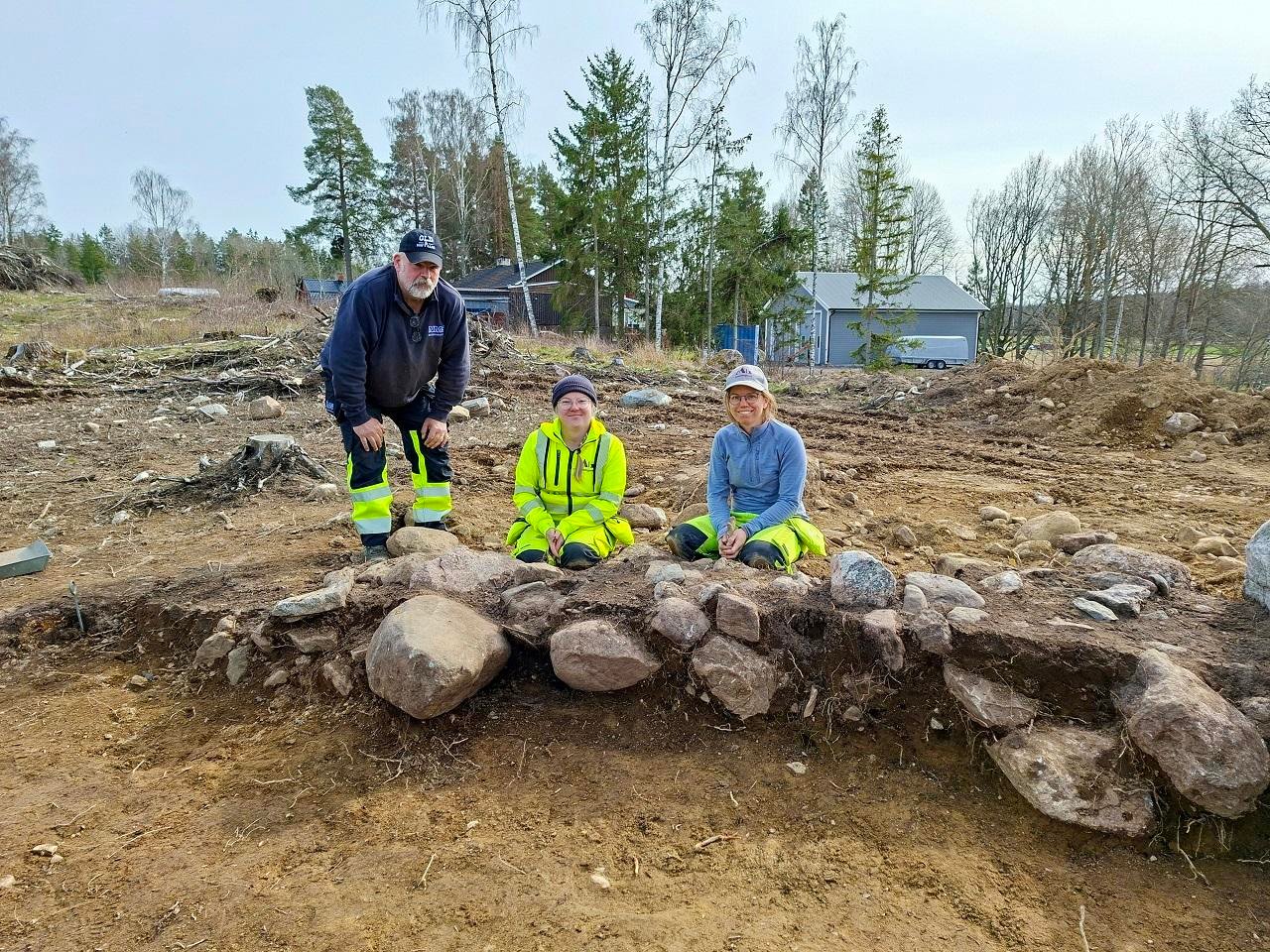
Archaeologists work east of Norrköping in Sweden at a Bronze Age landscape scheduled for housing construction. The area contains graves, rock carvings, and settlement remains from the late Bronze Age, 1100–500 BCE. During this period, the site stood near a coastal inlet connected to sea, shaping movement and ritual activity.
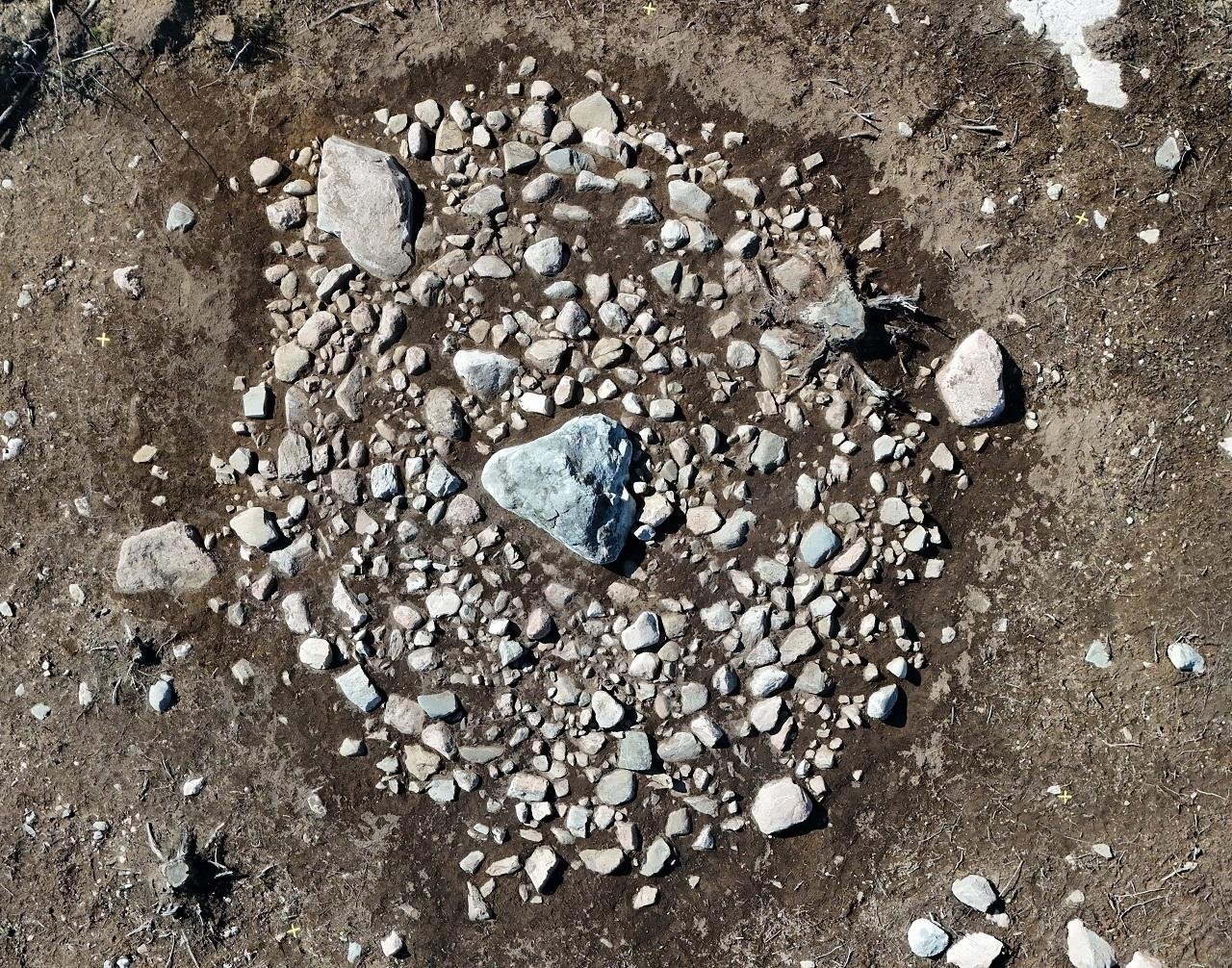
Inside stone setting with central block, researchers found cremated human remains arranged in several ways. Some burned bones placed inside urn. Other bones placed in small pits dug into ground. Additional fragments spread through stone structure and surrounding soil, showing multiple burial treatments.
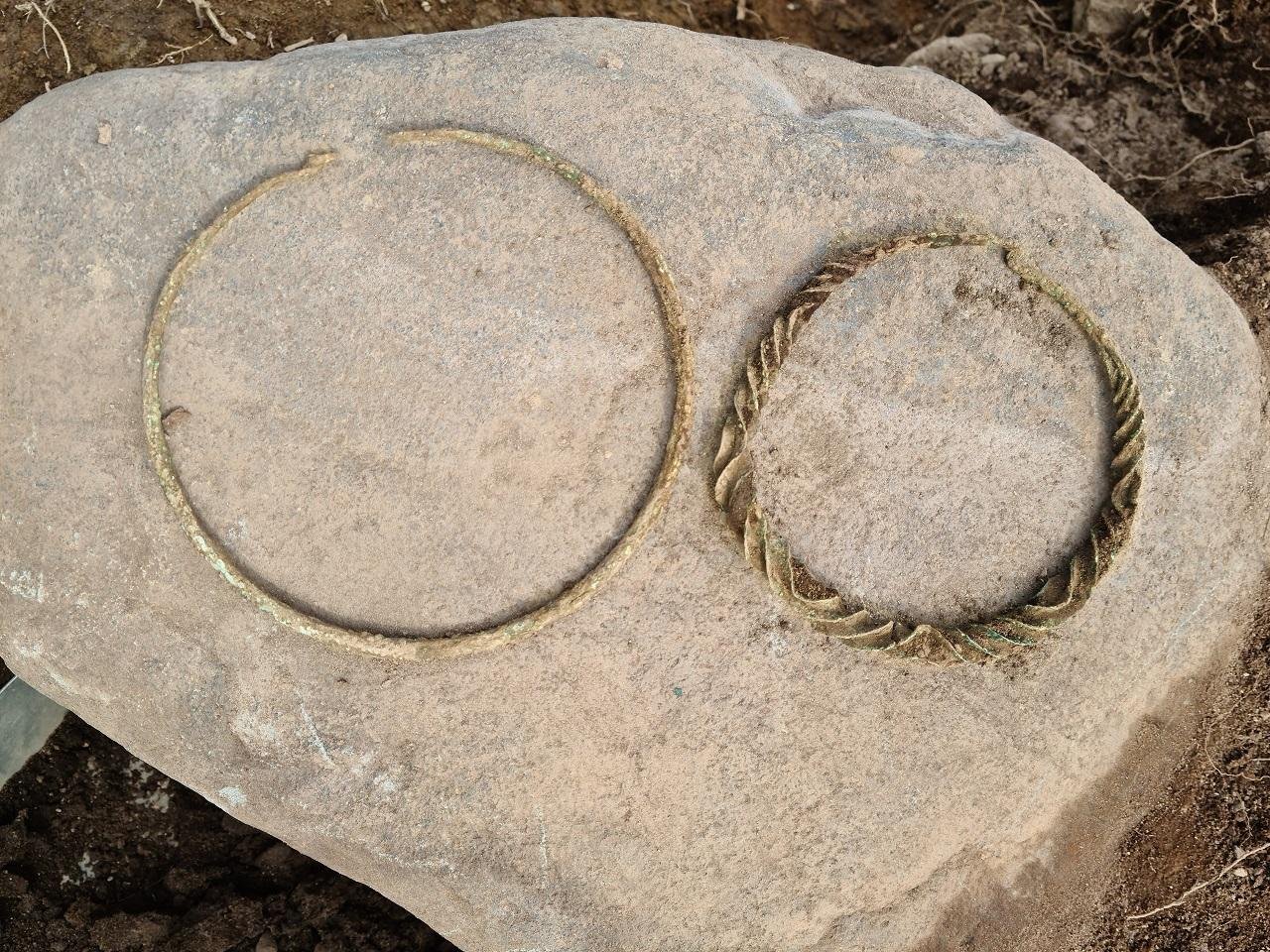
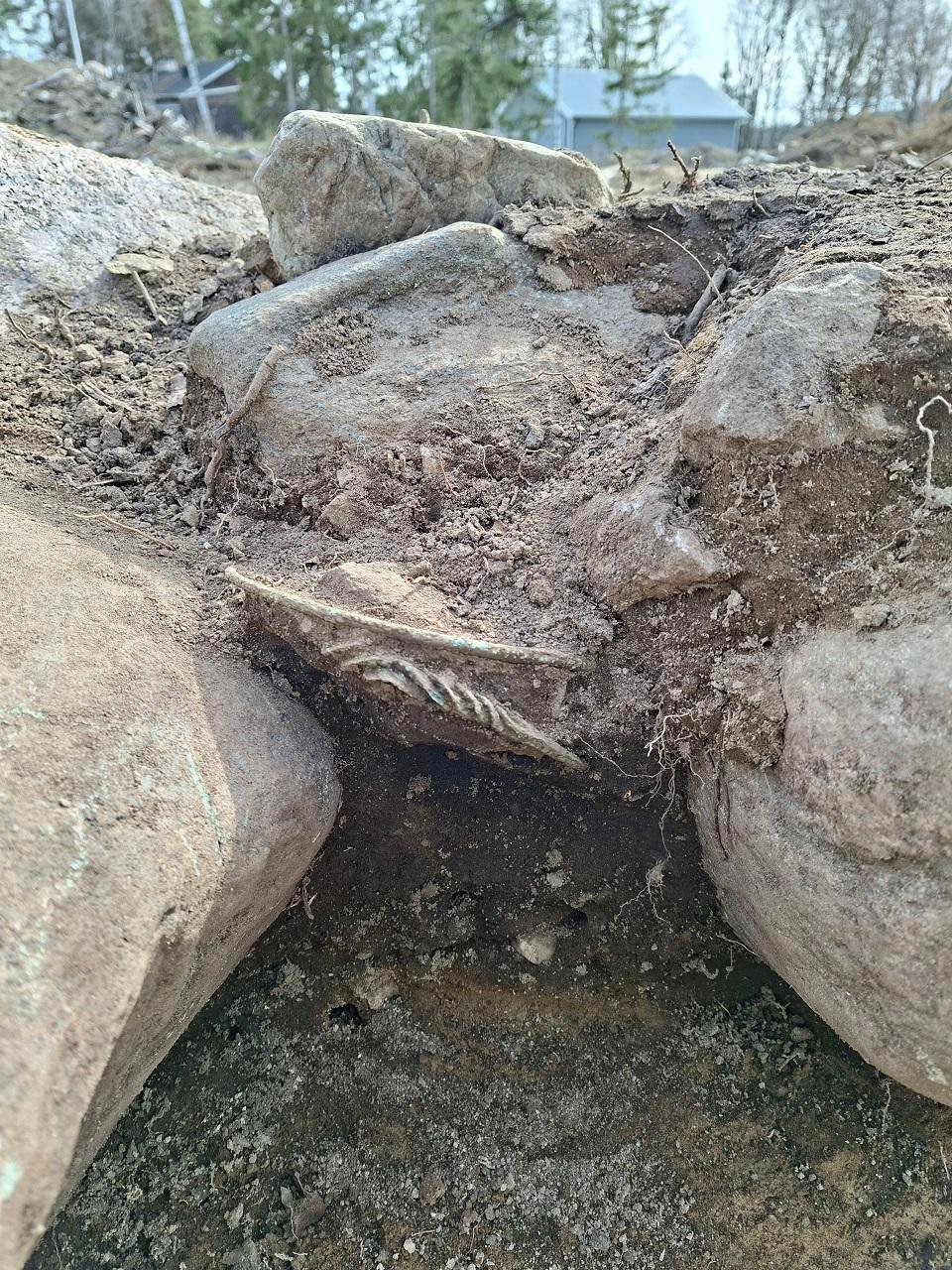
At eastern edge of burial, two bronze neck rings were discovered between stones, separate from cremated remains. These ornaments known as Wendel rings belong to late Bronze Age phase. Rings were produced from cast bronze rods twisted in alternating directions. One ring is larger and thin, that second ring is smaller and thicker with stronger profile is removed and replaced with simpler structure: second ring smaller and thicker with stronger profile.
Wendel rings appear rarely in Scandinavia. Finds usually come from hoards in wetlands such as bogs or marshes. A nearby deposit from Häradshammar in Östergötland included two similar rings recovered from bog. Presence of two rings inside burial monument stands as unusual.
Fewer than ten rings recorded in Östergötland. Women wore these ornaments. Rings served as markers of status or identity within Bronze Age communities.
Osteological analysis remains pending to determine number of individuals buried within stone setting.
Excavations in surrounding area also revealed traces of houses and two burnt stone mounds built from fire-cracked stones. Earlier research interpreted such mounds as cooking waste. Later finds show broader use, including ritual and burial activity since some contain human remains and bronze objects.
At Marby site, one burnt stone mound became burial monument during Bronze Age, showing changing use of landscape. Another mound contained large amounts of heat-affected stones, pottery fragments, and clay pieces used in wall construction from a house destroyed by fire. At base of mound, researchers recorded two concentric stone circles, a feature linked with burial monuments from same period.
Together, remains show complex landscape where domestic life, destruction events, and burial practices overlap in Bronze Age eastern Sweden.
More information: Arkeologerna

Disclaimer: This website is a science-focused magazine that welcomes both academic and non-academic audiences. Comments are written by users and may include personal opinions or unverified claims. They do not necessarily reflect the views of our editorial team or rely on scientific evidence.
Comment Policy: We kindly ask all commenters to engage respectfully. Comments that contain offensive, insulting, degrading, discriminatory, or racist content will be automatically removed.
Thank you for putting these fascinating bronze age discoveries online!