
Archaeologists studying the Royal Monastery of Santa Maria de Pedralbes in Barcelona have uncovered new details about the people buried there during the 14th century. The project, launched as part of the monastery’s 700th anniversary, examined eight tombs linked to the institution’s earliest years and revealed the remains of 25 individuals.
Researchers brought together specialists in archaeology, physical anthropology, restoration, archaeobotany, and genetics for the first large-scale study of the monastery’s founding burials. The work included opening tombs, documenting their contents, analyzing human remains and burial objects, and then restoring and reburying the materials.
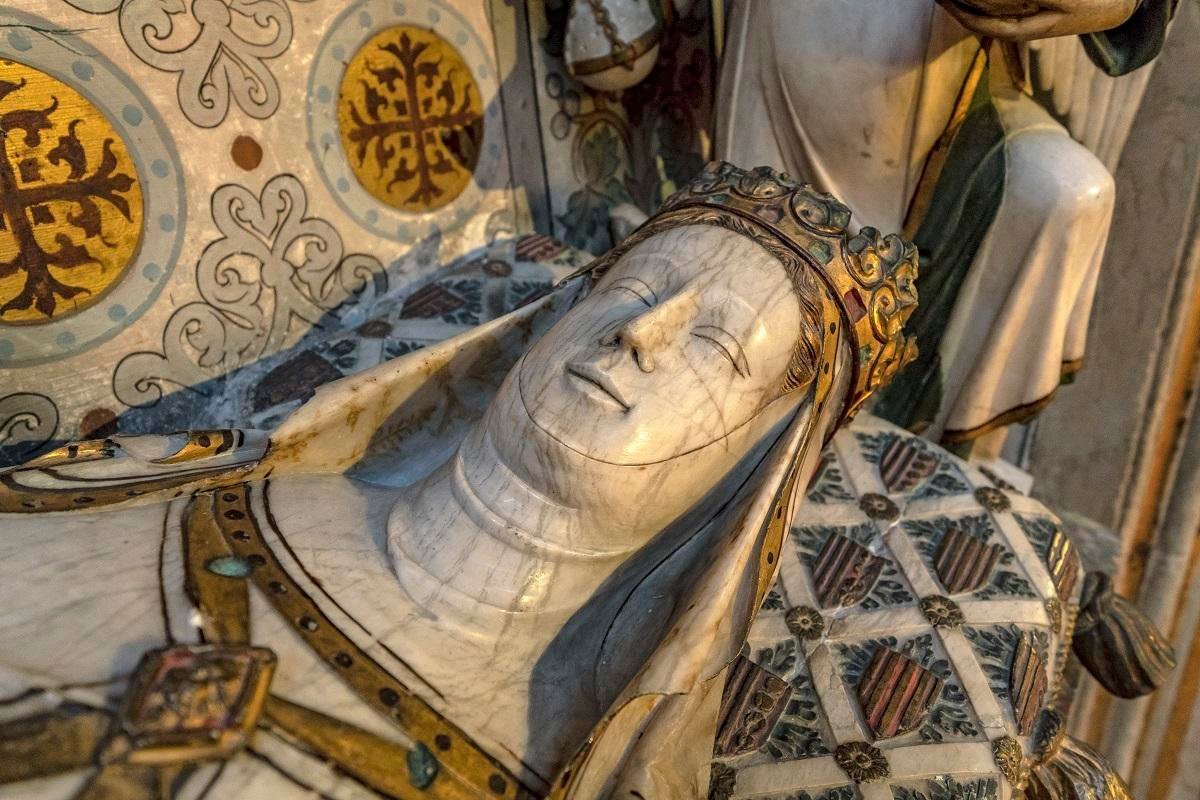
One of the main goals focused on Queen Elisenda of Montcada, founder of the monastery. Elisenda married King James II of Aragon in 1322 and established the convent shortly before his death. She spent the rest of her life in a residence beside the monastery and died in 1364.
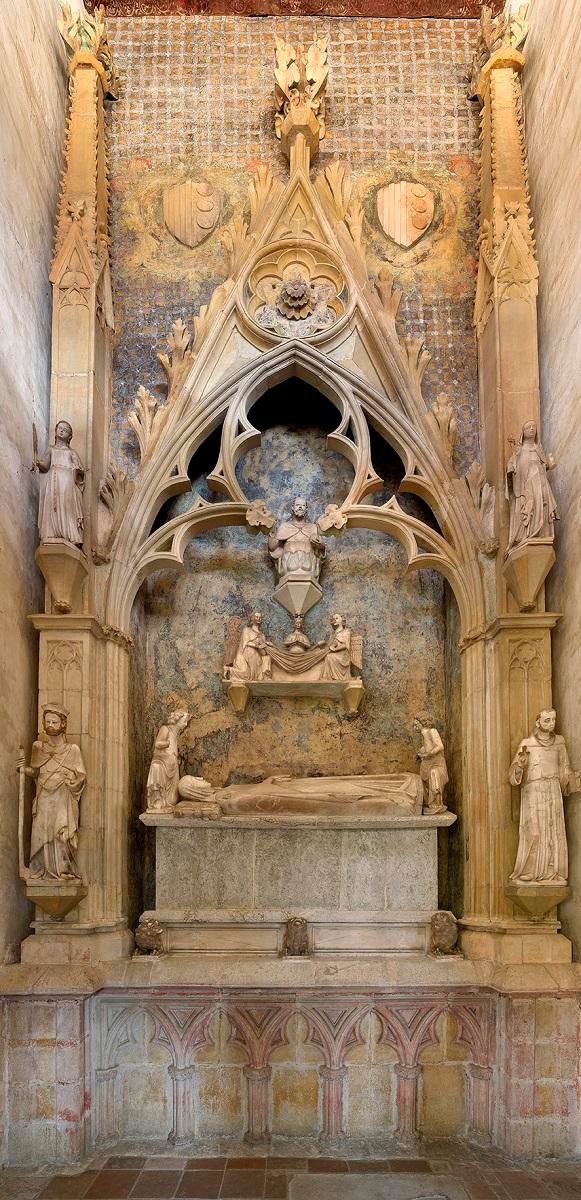
When archaeologists examined her tomb, they found her remains inside a medieval wooden coffin placed within a larger funerary structure. Historical records describe a burial arrangement reflecting both her royal position and her religious life. Analysis of her skeleton indicates she died at about 70 years of age. Her bones show signs of osteoarthritis associated with aging.
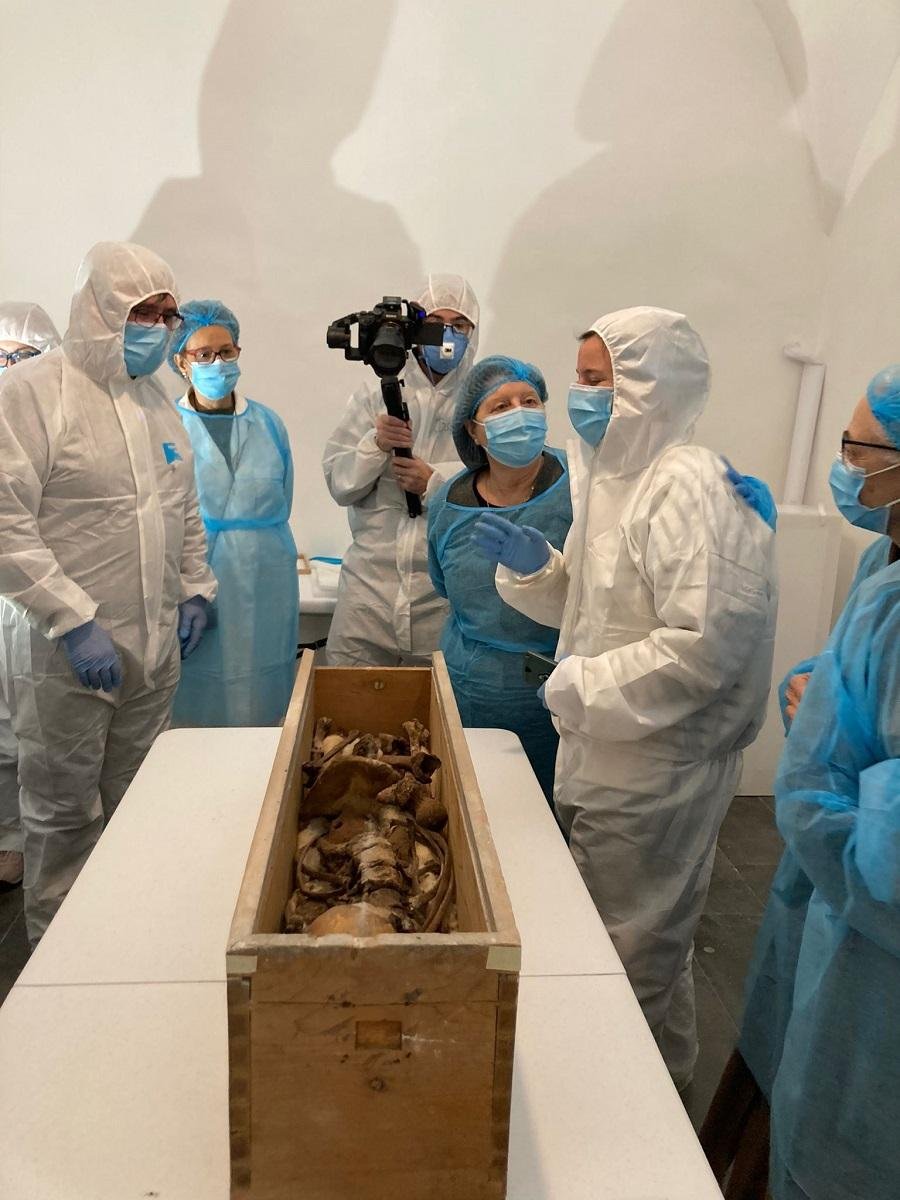
The queen appears to have been buried in simple clothing linked to monastic traditions. Even so, researchers recovered fragments of silk decorated with metallic thread. They also identified rosemary and myrtle among the plant remains found in the tomb. These plants likely formed part of funerary rites carried out at the time of burial.
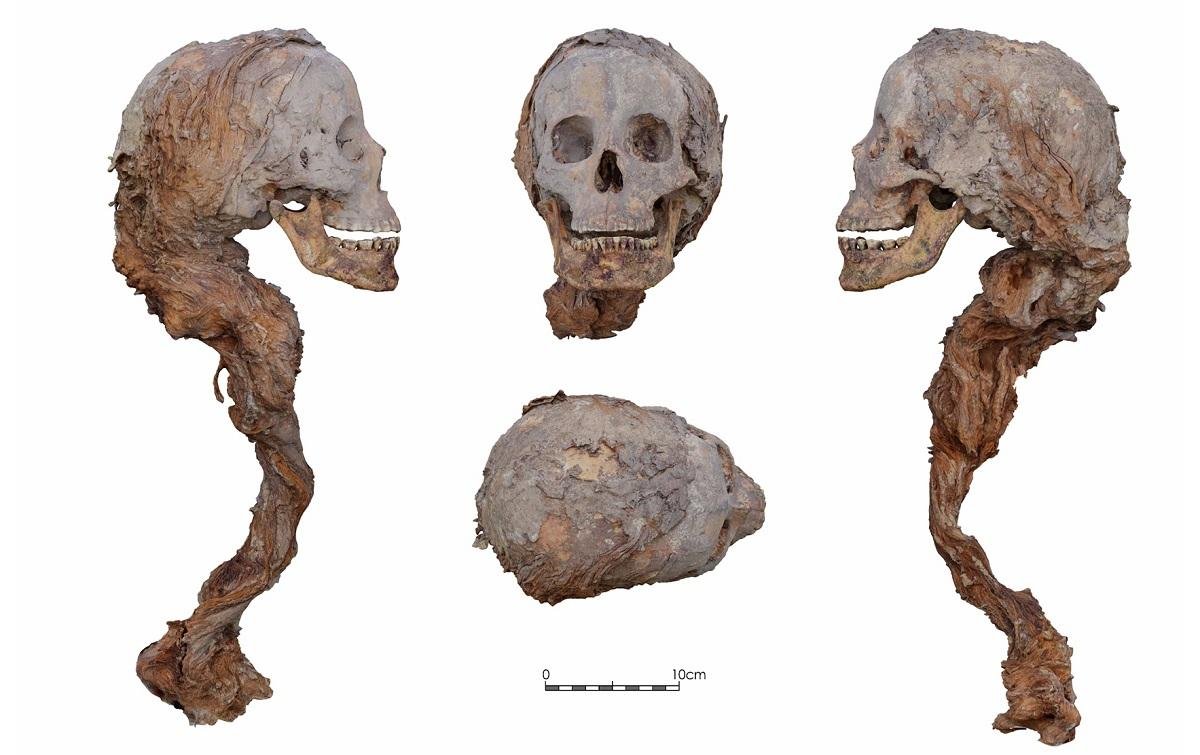
Several neighboring graves produced unexpected results. A tomb long believed to belong to the knight Artau de Foces contained no adult male remains. Instead, researchers identified two women and three children. One woman still had a preserved ponytail attached to her skull, an uncommon survival after nearly seven centuries.
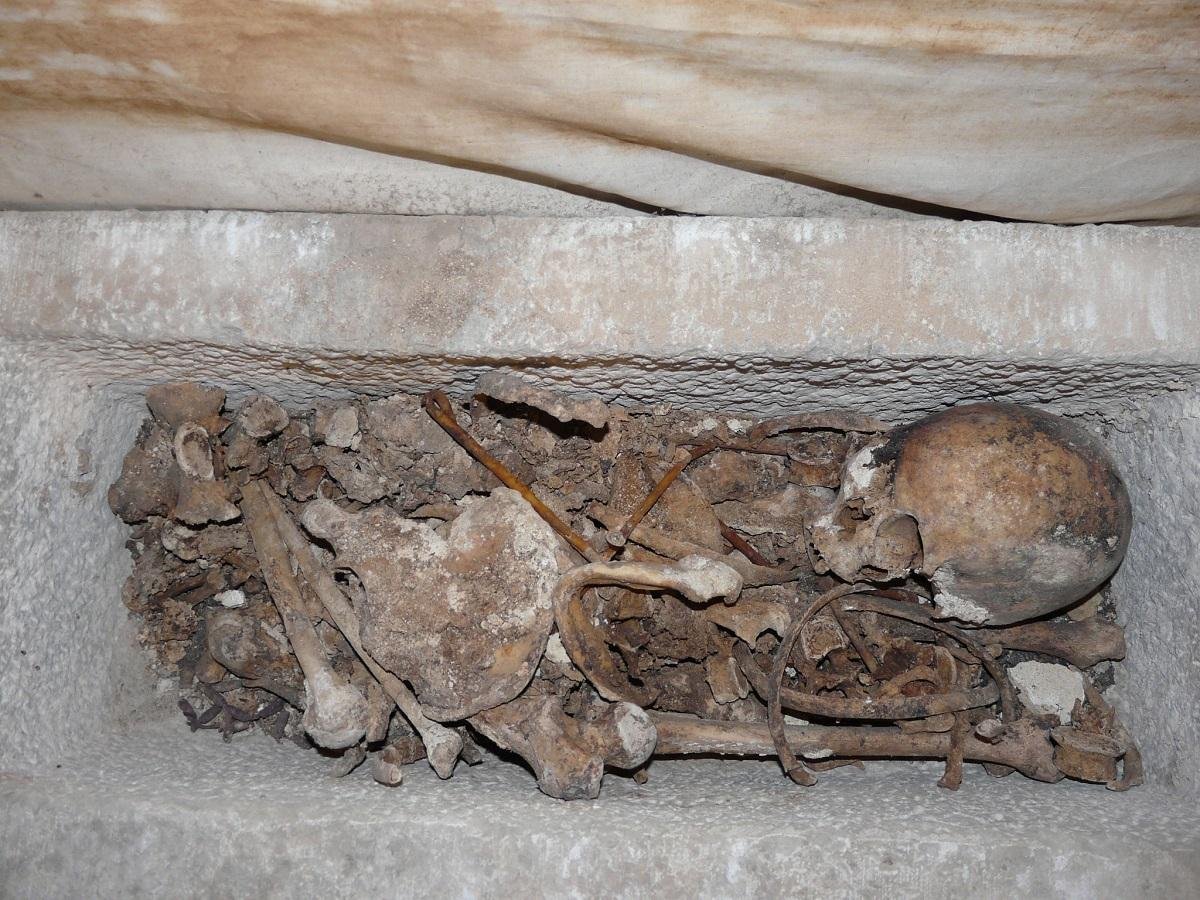
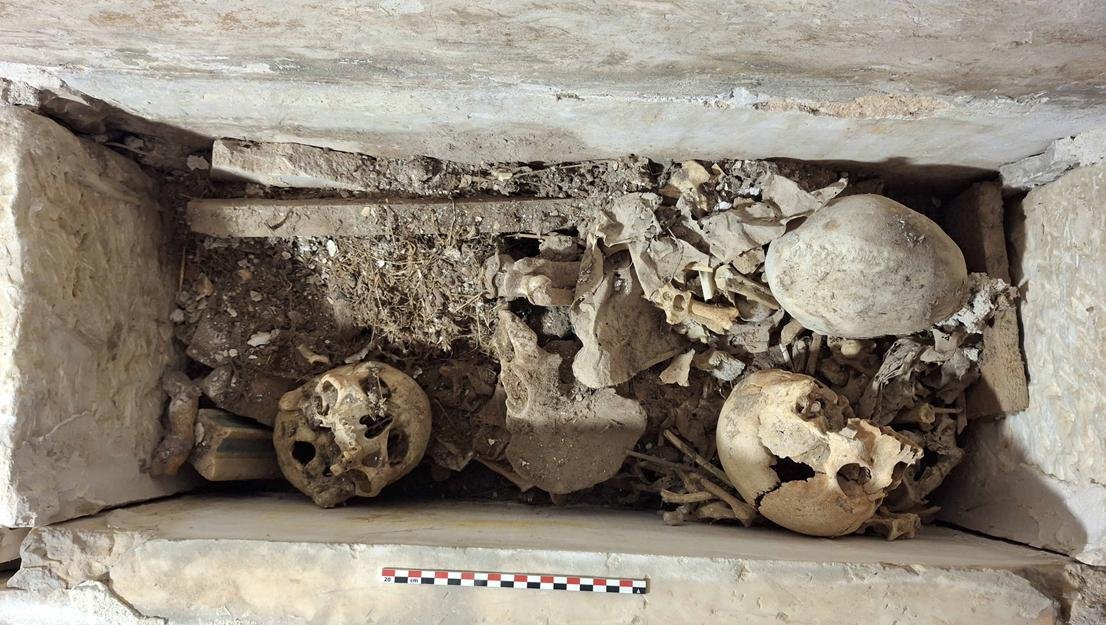
Another burial, traditionally attributed to Francesca Saportella, the monastery’s second abbess and Elisenda’s niece, contained at least nine individuals placed there during different periods. The findings show the tomb had been reopened and reused multiple times. Archaeologists recovered four male skulls bearing stab wounds. They also found the mummified torso of a woman whose fetus remained in the birth canal. The fetus was estimated to be between 20 and 23 weeks old.
Documents recovered from the same tomb are now under study. Conservators found parchment fragments and sheets of written material, including musical notation. These items offer another source of information about life inside the monastery.
Researchers also examined the tomb of Sobirana Olzet, the monastery’s first abbess. Her remains matched historical records regarding age and identity. The study identified a facial injury caused by a sharp object shortly before or around the time of death. Specialists continue to investigate the circumstances surrounding the wound.
The wider analysis paints a picture of a community dominated by high-status women. Many lived to relatively advanced ages for the medieval period. Skeletal evidence revealed osteoarthritis, traumatic injuries, and signs of possible metabolic disorders. The remains provide information about health, daily activities, and living conditions inside an important religious institution.
Burial customs varied considerably across the site. Some individuals were wrapped in textile bundles or funerary sacks. Others were placed directly inside tomb chambers. Researchers documented traces of candles, cords, floral offerings, and aromatic plants. More than 200 archaeobotanical samples helped reconstruct rituals associated with death and remembrance.
Genetic research has already begun, though the work remains in its early stages. Scientists are extracting DNA from bones and teeth to confirm identities, determine family relationships, investigate geographic origins, and search for evidence of ancient diseases. Additional radiocarbon dating, textile studies, and material analyses will continue through 2027.
The findings have already challenged several long-standing assumptions about the monastery’s burials. As the project moves forward, researchers hope to build a clearer picture of the people buried at Pedralbes and the social world they inhabited during medieval Catalonia’s formative years.
More information: Culture Institute of Barcelona

Disclaimer: This website is a science-focused magazine that welcomes both academic and non-academic audiences. Comments are written by users and may include personal opinions or unverified claims. They do not necessarily reflect the views of our editorial team or rely on scientific evidence.
Comment Policy: We kindly ask all commenters to engage respectfully. Comments that contain offensive, insulting, degrading, discriminatory, or racist content will be automatically removed.