
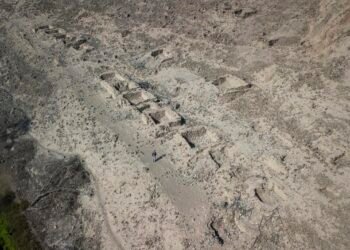
For centuries, the ruins of Feldioara Fortress in southeastern Transylvania stood at the center of a long historical debate. Many historians believed the site served as the headquarters of the Teutonic Knights during their short rule in the region between 1211 and 1225. Archaeologists found medieval walls, weapons, ceramics, and church remains over the years, though none of those finds provided direct proof linking the earliest stone fortifications to the crusader order.
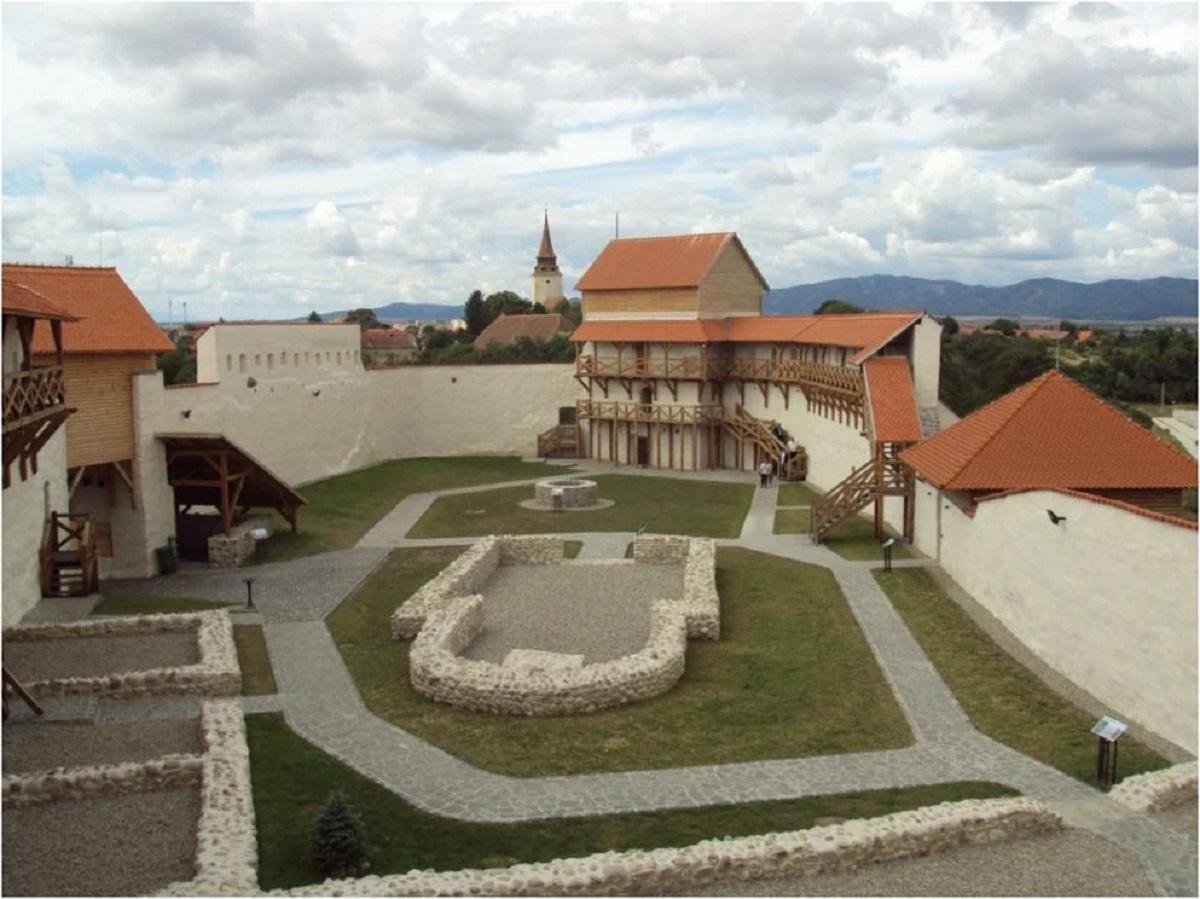
A new study published in Archaeological and Anthropological Sciences has now provided stronger evidence. Romanian researchers used radiocarbon dating on lime mortar taken from the fortress walls and foundations. Their analysis showed the oldest defensive structures were built during the same period when the Teutonic Knights controlled the area.
Feldioara, known in medieval records as Marienburg, lies in the region called Tara Barsei, or Burzenland, in present-day Romania. During the Middle Ages, the territory belonged to the Kingdom of Hungary. The Teutonic Order received the land from the Hungarian king in 1211 and was tasked with defending the frontier against Cuman attacks. Historical records show the knights soon expanded their activity beyond border defense and began constructing stone fortifications. The Hungarian crown expelled them in 1225 after fears grew over their rising independence.
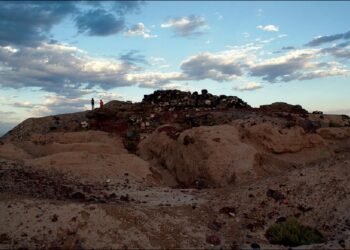
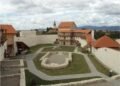
Researchers have long viewed Feldioara as one of the strongest candidates for a Teutonic center in eastern Europe. The fortress had two fortified sections. One protected the nearby settlement and parish church. The second stood on an isolated hill separated by a natural gorge. Medieval defenses on the hill included towers placed toward the cardinal directions and a fortified entrance gate.
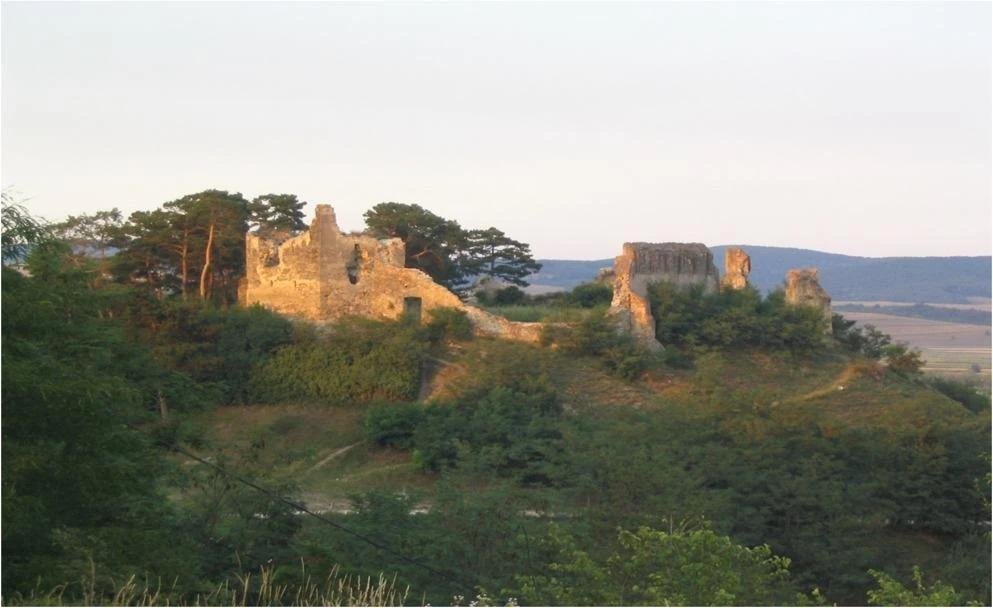
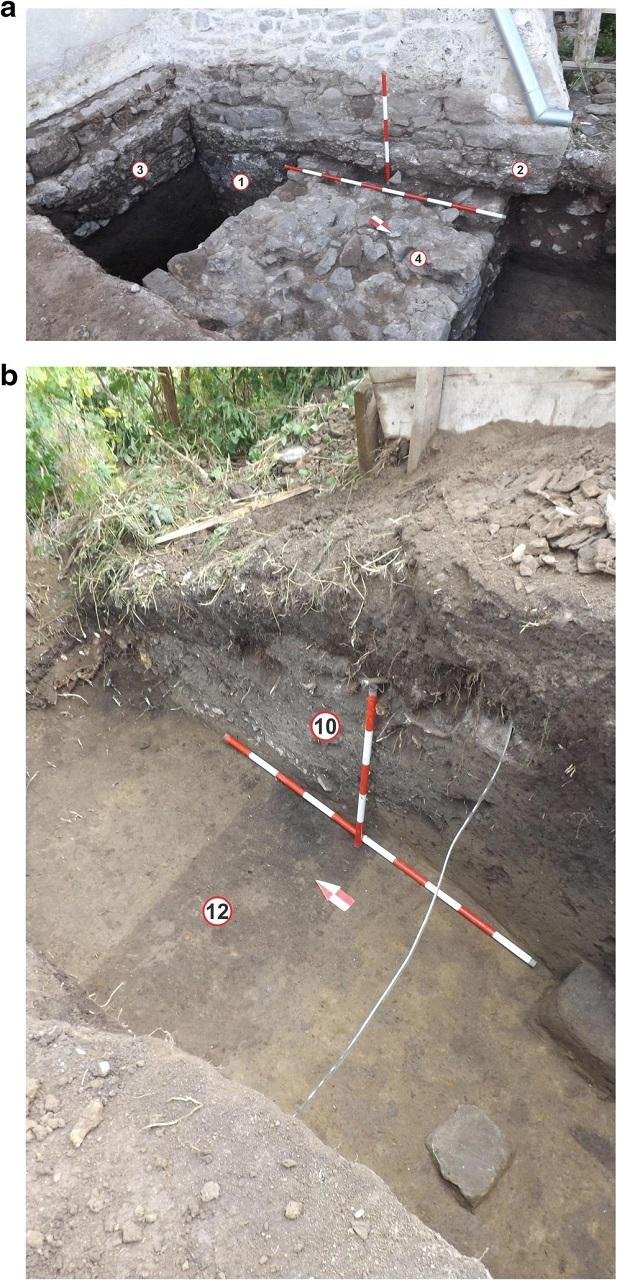
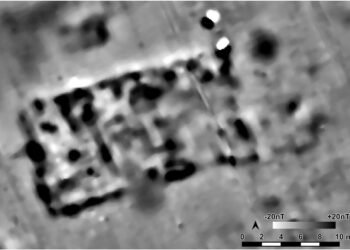
Excavations carried out in the 1990s and later between 2013 and 2017 uncovered traces of human occupation stretching back thousands of years, including Neolithic, Bronze Age, and Hallstatt remains. Archaeologists also identified a thick medieval wall built with compact lime mortar beneath later fortifications. The wall appeared older than nearby structures and became the main focus of the new research.

Dating medieval mortar presents a difficult problem because lime hardens slowly as the material absorbs carbon dioxide from the atmosphere. Depending on environmental conditions, the process lasts years or even centuries. To deal with this issue, the research team isolated microscopic calcite particles from thirteen mortar samples collected at the fortress. Scientists checked the purity of those particles with FT-Raman spectrometry before conducting accelerator mass spectrometry radiocarbon dating.
The team compared the laboratory results with archaeological evidence, stratigraphy, and written historical records. Researchers also used the OxCal statistical program to match the measured radiocarbon values with the narrow historical window of Teutonic occupation between 1211 and 1225.
Several mortar samples from the earliest defensive walls matched the early 13th century. The findings strongly support the conclusion that the Teutonic Knights built the first stone fortress at Feldioara. Other samples belonged to later building phases linked to expansions during the 13th, 14th, and 17th centuries.
The study also raised new questions about the site’s history. One mortar sample from beneath the church apse pointed toward construction activity before the arrival of the Teutonic Knights, possibly linked to earlier western colonists in the region. Another sample suggested parts of the church dated to the 13th century and could have been connected to the Cistercian Order, which received Feldioara in 1240.
Researchers believe the project shows how modern archaeometric methods improve the dating of medieval stone structures where traditional archaeological evidence offers limited answers. By combining radiocarbon analysis, chemical screening, and statistical modeling, the team reconstructed a timeline stretching from the 12th century to the early 19th century.
The findings settle a debate lasting nearly eight centuries. Feldioara now provides scientific proof of a Teutonic stronghold in Transylvania and offers a clearer picture of how crusader military architecture spread through eastern Europe during the Middle Ages.




Disclaimer: This website is a science-focused magazine that welcomes both academic and non-academic audiences. Comments are written by users and may include personal opinions or unverified claims. They do not necessarily reflect the views of our editorial team or rely on scientific evidence.
Comment Policy: We kindly ask all commenters to engage respectfully. Comments that contain offensive, insulting, degrading, discriminatory, or racist content will be automatically removed.