
Ancient Persian metalworkers worked with brass far earlier and in far more varied ways than researchers once thought. A new study of metal artifacts from the Sasanian Empire shows brass in jewelry, fittings, and military helmets between the 4th and 7th centuries CE. The findings point to skilled metalworkers who understood how different copper alloys behaved and selected materials with care.
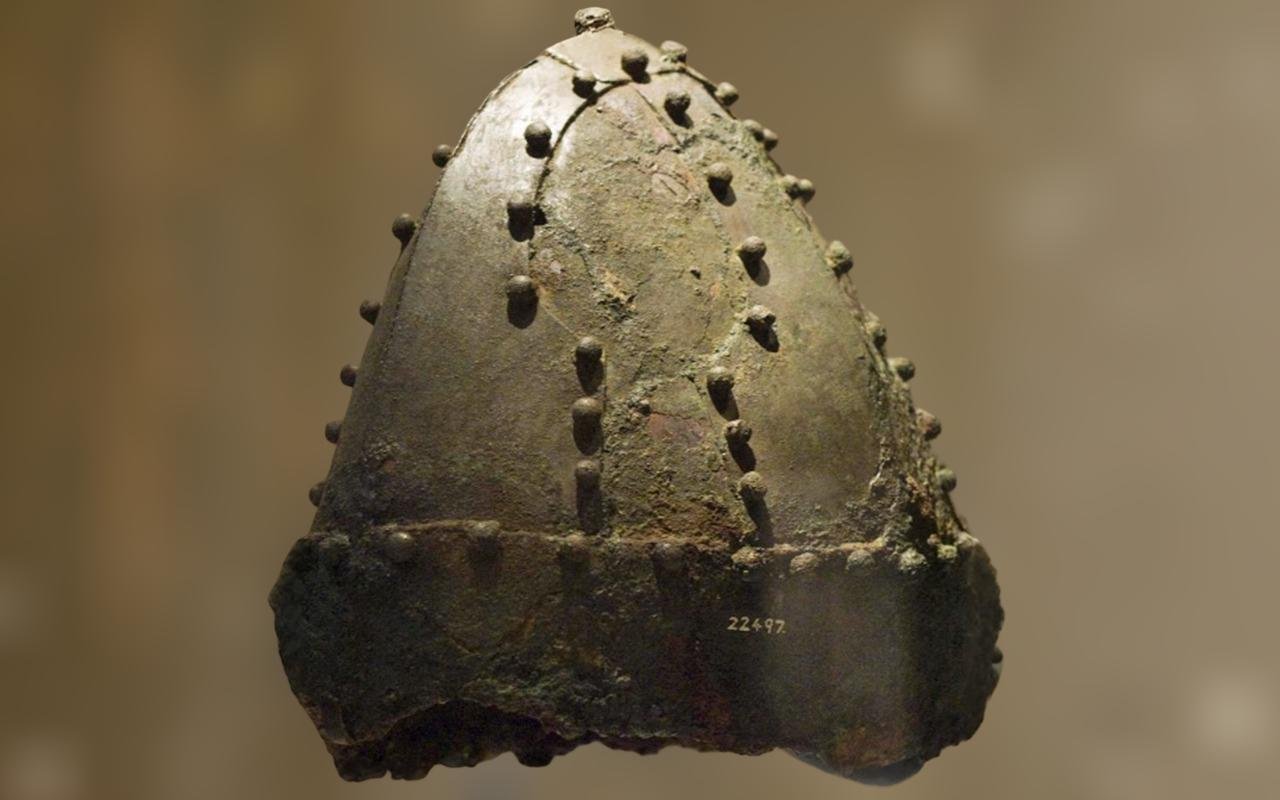
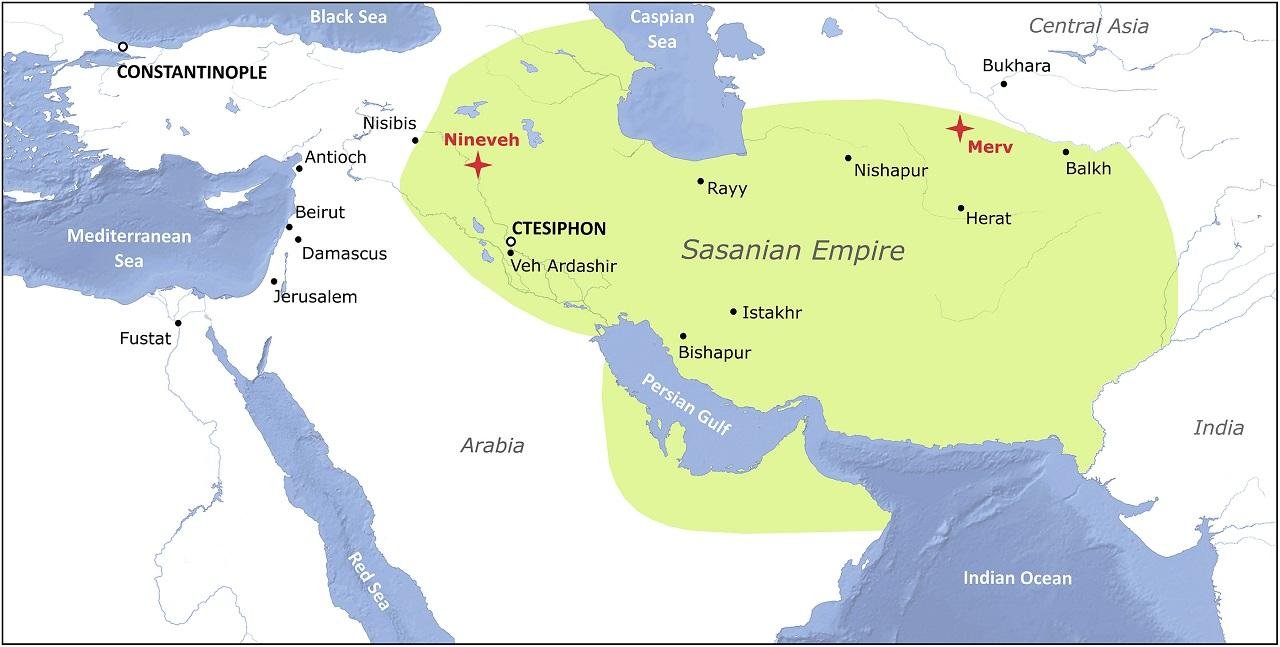
Researchers from the British Museum and the University of Cambridge studied artifacts from two distant Sasanian cities, Merv in present-day Turkmenistan and Nineveh in modern Iraq. Their work focused on a long-standing question. While Roman and Byzantine brass use has received close study, brass in the Sasanian world has remained poorly understood.
Brass differs from bronze in one important way. Bronze mixes copper with tin. Brass combines copper and zinc. Producing brass in antiquity demanded technical knowledge. Before zinc distillation existed, artisans made brass through cementation. They heated copper, zinc ore, and charcoal together. Zinc vapor moved into the copper during firing. The process usually produced brass with zinc levels below about 30 percent.
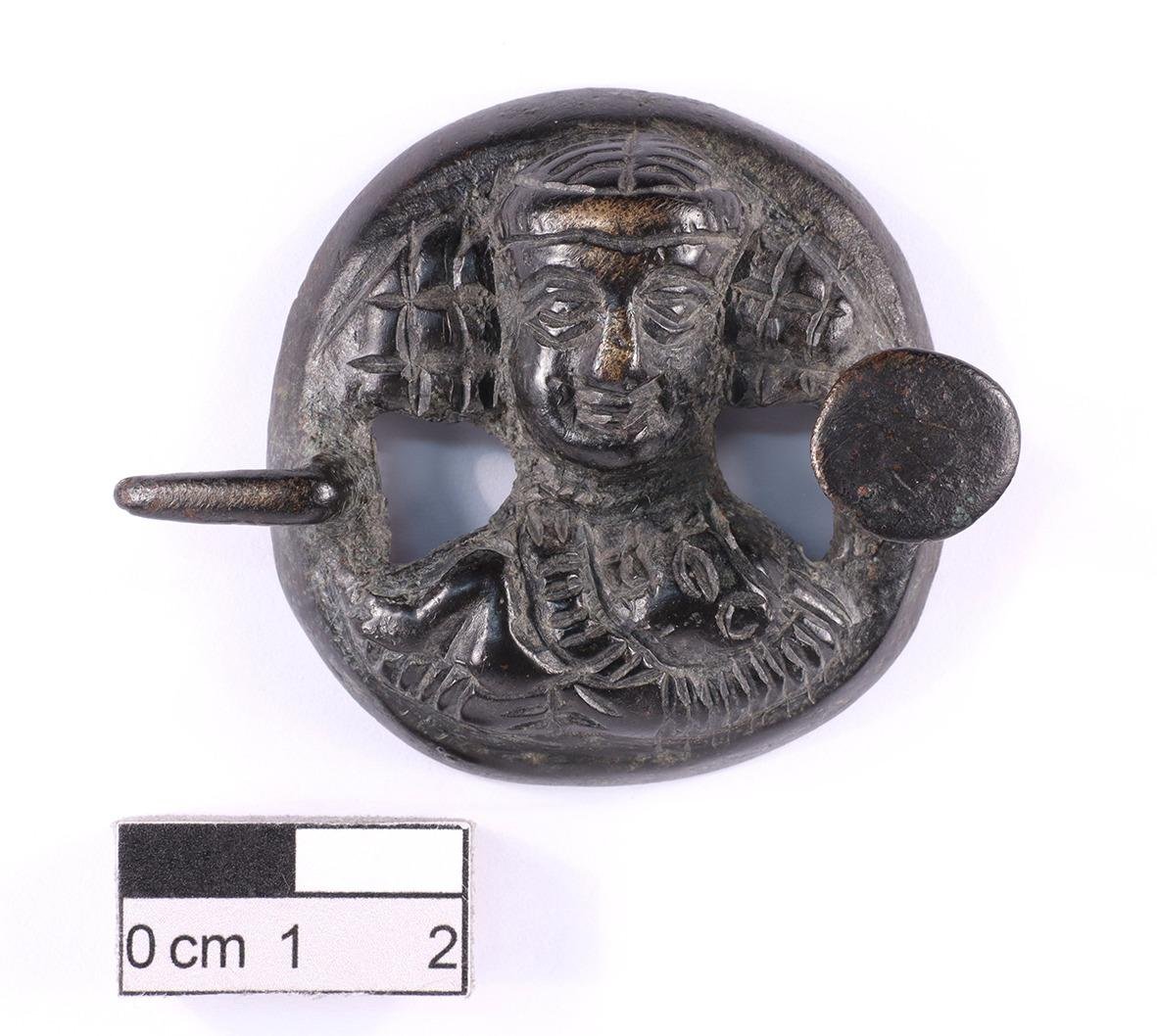
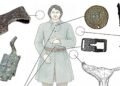
Excavations at Merv produced metal fragments from several centuries of Sasanian occupation. Researchers analyzed dozens of objects, including well-preserved pieces and heavily corroded material. Early brass finds from the 4th and 5th centuries included a bracelet fragment, a ring or hook, fittings, and a decorated hairpin set with lapis lazuli and colored glass.
These early objects were cast in molds. Chemical analysis showed large differences in zinc content, from roughly 2 percent to 27 percent. Such variation points toward mixed metal sources. Metalworkers likely reused older brass, blended brass with bronze, or worked with uneven supplies of fresh material. Some pieces contained added lead, which helped molten metal flow during casting.
RelatedStories
Bronze Age towers in Sardinia remained centers of worship and ritual in the Iron Age
In this early phase, brass appears tied to appearance and social value. Its gold-like color made sense for jewelry and display items. The material itself carried prestige.
Later Sasanian material tells a different story.
Artifacts from the 6th and 7th centuries include brass beads, fittings, and sheet-made objects shaped through hammering. Here, artisans took advantage of brass as a working material. Brass with moderate zinc content stays more workable during cold hammering than bronze. A metalworker could cut, shape, drill, and rivet brass sheets with fewer problems from cracking or rapid hardening.
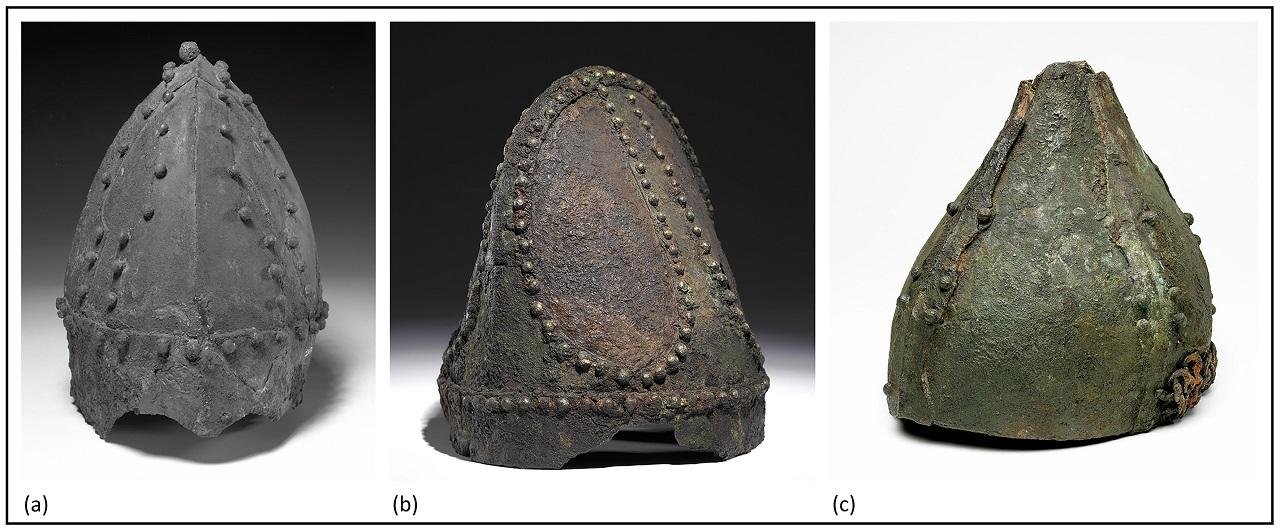
The strongest example comes from Nineveh. Researchers studied four late Sasanian helmets, among the few known examples of their kind. These helmets used a segmented design made from several joined plates rather than a single forged shell.
Scientific analysis revealed careful construction methods. One helmet contained iron plates covered with thin brass sheeting. The brass folded around the edges of the iron. Brass strips and rivets helped hold the helmet together. In one section, missing brass sat hidden beneath support bands, which suggests careful planning and an effort to avoid wasting metal.
The military connection stands out across several finds. Similar helmets from northern Iran contain brass parts. A brass scale armor from Qasr-e Abu Nasr near Shiraz follows the same pattern. A mace head in the British Museum combines an iron core with a brass coating.
Researchers argue that these examples point toward a wider military role for brass in the late Sasanian Empire. Such a role would fit a large and organized army that relied on standard equipment, repair systems, and steady material supply. Large-scale military demand for brass would have required regular production and, perhaps, state involvement in controlling resources and manufacturing.
The team also compared Sasanian material with brass objects from Islamic period Merv dating to the 9th century. The difference was clear. Islamic period objects contained higher zinc levels, fewer impurities, and signs of more standardized production. Brass had become more common and more refined.
This shift changed how people valued the material. In the Sasanian period, brass seems relatively scarce. A brass object gained status from the metal itself. By the Islamic period, wider availability reduced that status value. Skill and workmanship became more important than the raw material.
The study raises another issue. Many museum objects labeled as bronze or generic copper alloy have never received detailed material analysis. The Nineveh helmets carried such labels for years. Reclassifying parts of these helmets as brass changes how scholars view Sasanian metalworking, raw material supply, and technological knowledge.
Researchers hope similar studies of museum collections and military equipment will add more pieces to this picture. Brass may have held a larger place in ancient Persian metallurgy than earlier work suggested.







Disclaimer: This website is a science-focused magazine that welcomes both academic and non-academic audiences. Comments are written by users and may include personal opinions or unverified claims. They do not necessarily reflect the views of our editorial team or rely on scientific evidence.
Comment Policy: We kindly ask all commenters to engage respectfully. Comments that contain offensive, insulting, degrading, discriminatory, or racist content will be automatically removed.