
Shipwrecks tied to the real pirates of the Caribbean have been found for the first time in The Bahamas, giving archaeologists a rare look into the maritime world behind one of history’s most famous outlaw communities.
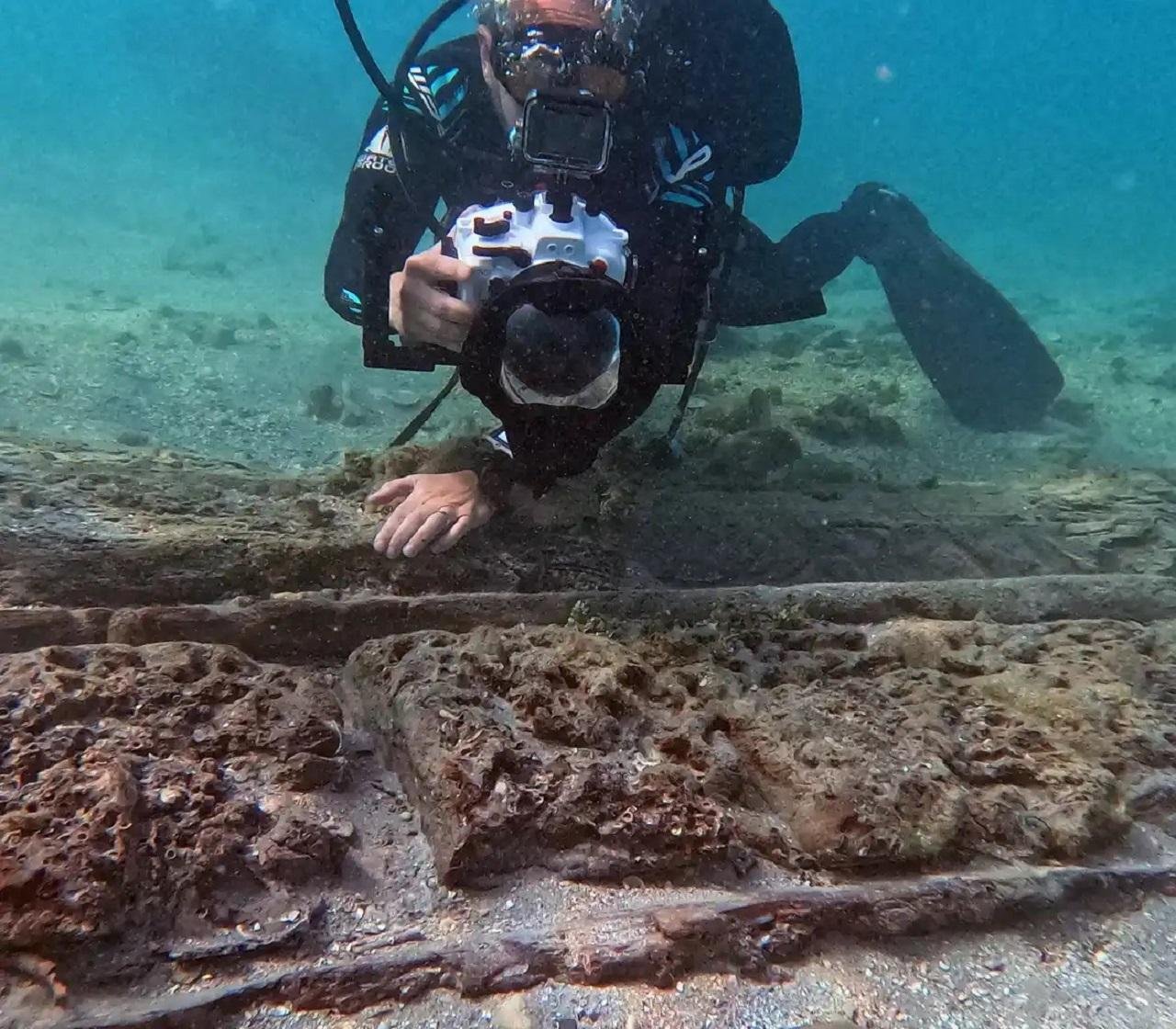
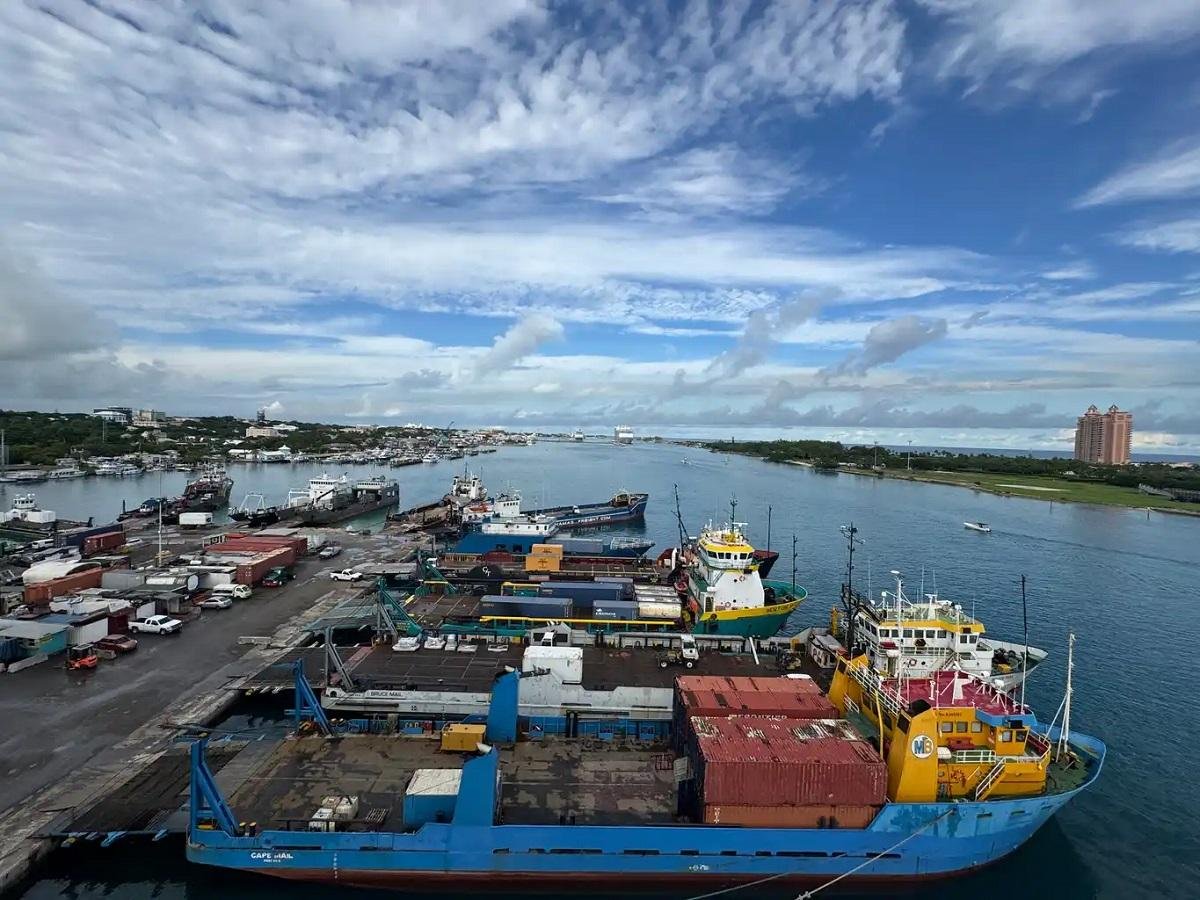
A team from the New Providence Pirates Expedition and Wreckwatch TV uncovered six wreck sites in and around Nassau Harbor, three of them linked to the period known as the Golden Age of Piracy, which stretched from the late 1600s into the early 1700s. The discoveries follow the first official permission to dive within a restricted zone of Nassau Harbor, once the center of pirate activity in the Caribbean.
During the early 18th century, Nassau on New Providence Island served as a stronghold for figures such as Henry Avery, Blackbeard, Benjamin Hornigold, Calico Jack Rackham, and Anne Bonny. Hundreds of pirates gathered there to repair ships, divide stolen goods, and plan raids across the Atlantic world. Despite Nassau’s reputation as the pirates’ capital, no ship connected to their operations had previously been identified in local waters.
Marine archaeologist Dr. Sean Kingsley, co-director of the project, said popular culture built a powerful pirate image, yet basic questions about their daily lives and ships have long gone unanswered.
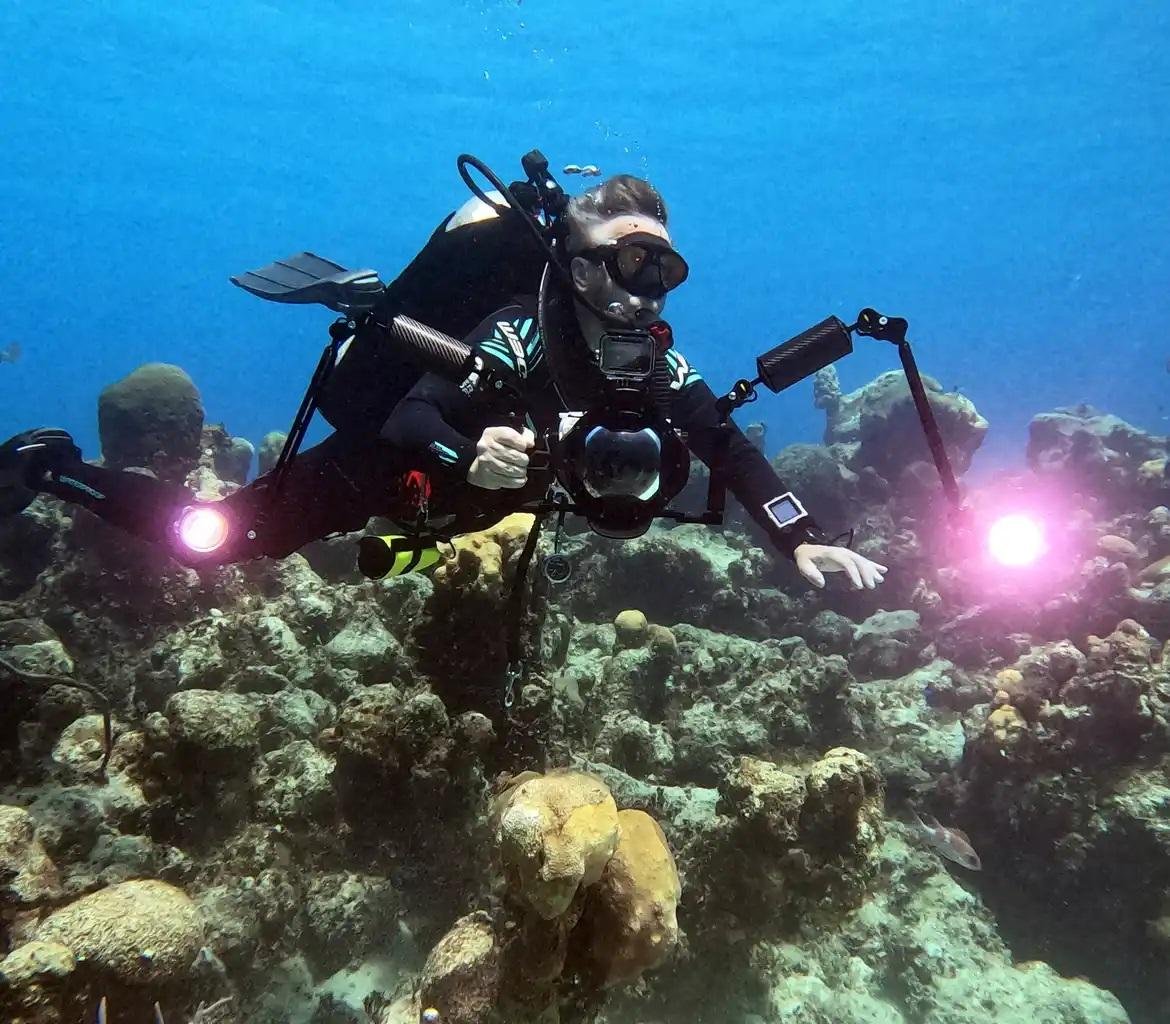
The search brought serious challenges. Nassau Harbor covers a large area, strong tidal currents move through the waters twice a day, and sharks are common. Explorer and filmmaker Chris Atkins described the mission as high risk, with no guarantee of success.
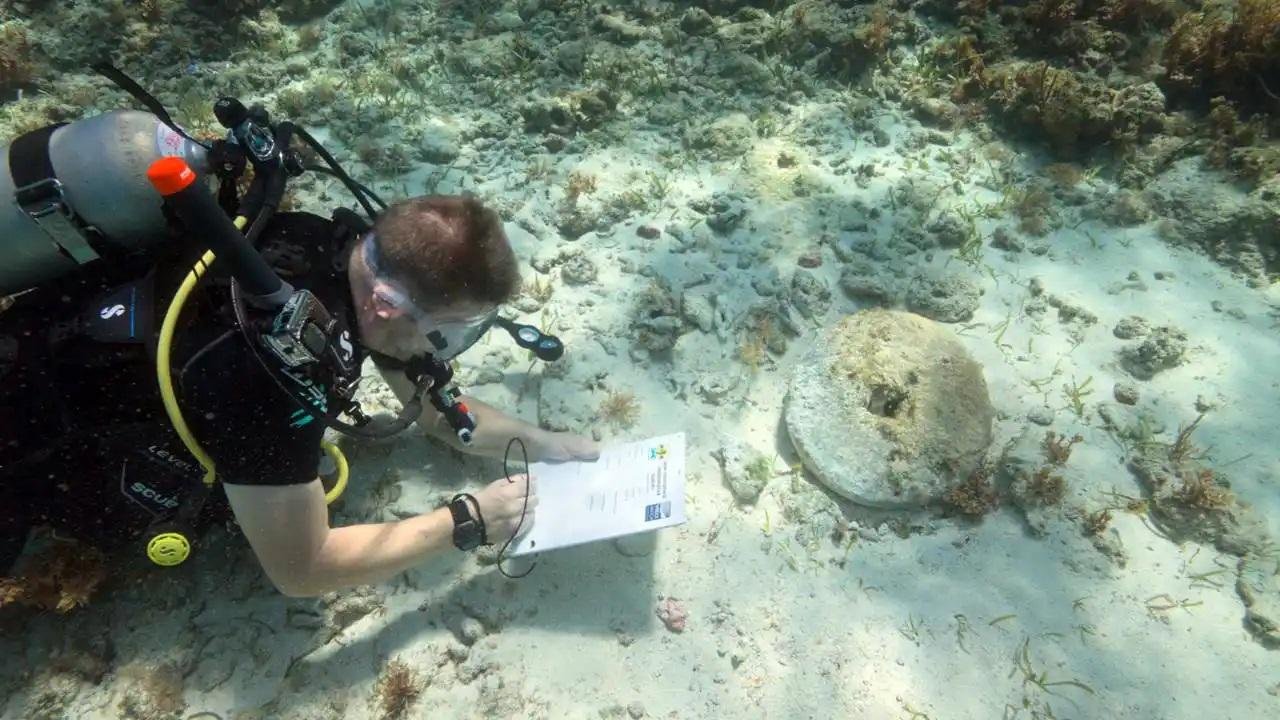
The team combined underwater surveys with information shared by local divers. One wreck, located about 35 kilometers east of Nassau, produced iron cannons, lead musket balls, and a grinding stone likely used to sharpen swords. Archaeologists noted the vessel carried heavy armament, including swivel guns mounted along deck rails. These smaller weapons fired anti-personnel shot and were favored by pirates during close combat.
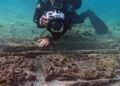
Another wreck inside Nassau Harbor preserved part of its wooden structure beneath a ballast mound of stone. The ship showed features typical of 18th-century construction, including wooden treenails fastening the hull. The remains also carried signs of fire damage.
According to project co-director Dr. Michael Pateman, pirates often stripped captured vessels of cargo, weapons, and useful fittings before destroying the evidence. Burning ships after looting them helped remove traces of piracy from authorities’ view. The burned Nassau wreck fits that pattern.
A third site emerged after the team received a report about an 18th-century wreck lying beneath Nassau’s old bridge, in waters patrolled by a bull shark. Earlier construction work, including pipeline cutting and marina development, was believed to have destroyed the remains.
Instead, archaeologists found surviving hull planks, rigging, bricks from a shipboard galley, glass bottles, and scattered cargo. Dozens of clay tobacco pipes protruded from the sand beside broken wooden crates.
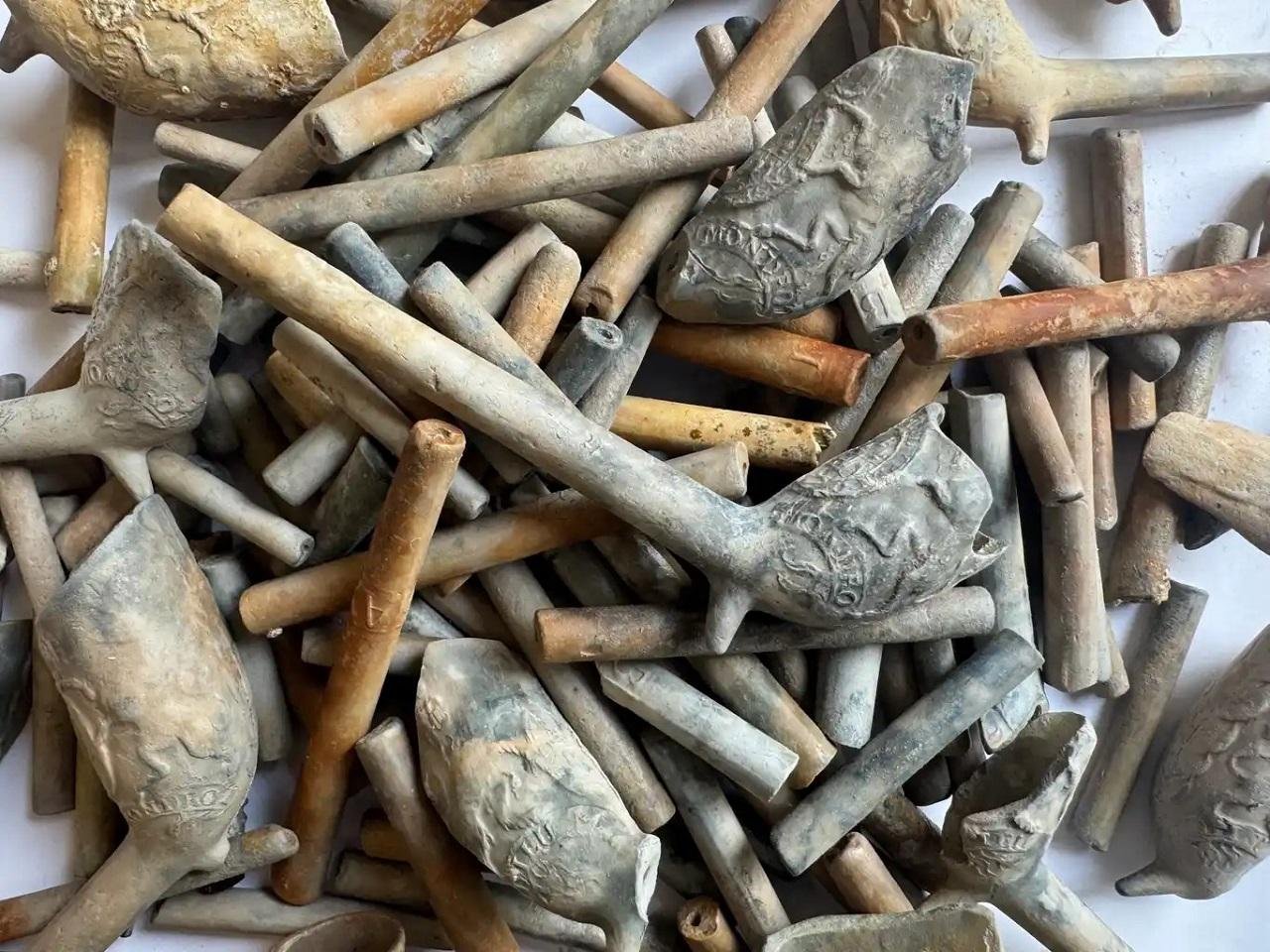
The pipe designs included a unicorn, a horse, a crown, and the royal English motto “Dieu et Mon Droit,” meaning “God and my Right.” Archaeologists dated the cargo to London around the 1740s. The vessel appears to have been an English trader sailing to Nassau after the suppression of piracy.
The wreck offers a different chapter of Bahamian history. Wine bottles and refined smoking pipes point to a port rebuilding itself through trade after years of violence and instability.
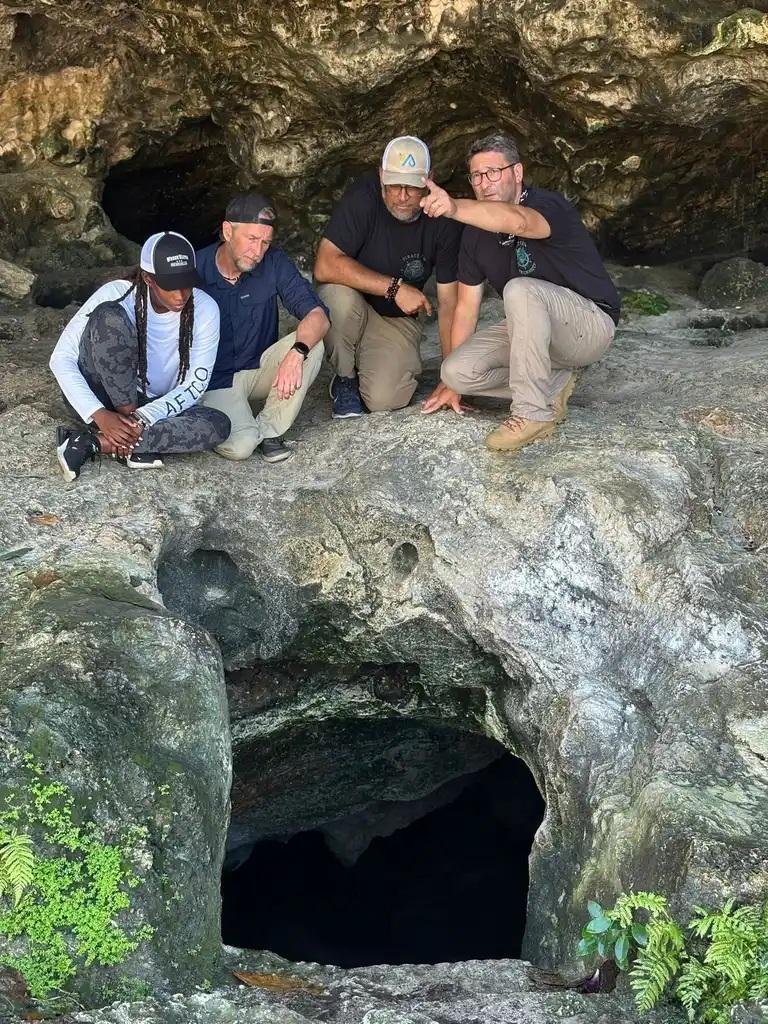
The expedition extended beyond diving operations. Researchers studied historical maps and documents dating back 300 years. They also visited pirate caves, a lookout tower associated with Blackbeard, and a former plantation site.
Their findings paint a picture of Nassau far removed from film portrayals. Kingsley described the pirate settlement as something closer to a rough frontier town mixed with an 18th-century leisure camp than the polished fantasy seen on screen.
Economic pressures helped feed piracy’s rise. In the 1710s, the Royal Navy sharply reduced staffing. Many sailors faced harsh discipline, poor food, and low pay aboard military vessels. Pirate crews offered a different path. Earnings could exceed those of merchant sailors by as much as 1,000 percent. For men seeking quick wealth and escape from naval life, piracy carried deadly risks but offered unusual rewards.
The first results from the New Providence Pirates Expedition will appear in Wreckwatch Magazine on June 4, 2026. A documentary series produced for Wreckwatch TV, also premiering on June 4, presents the discoveries alongside what researchers describe as the first historically based 3D digital reconstruction of Nassau’s pirate settlement around 1715.
More information: Wreckwatch TV — Wreckwatch Magazine



Disclaimer: This website is a science-focused magazine that welcomes both academic and non-academic audiences. Comments are written by users and may include personal opinions or unverified claims. They do not necessarily reflect the views of our editorial team or rely on scientific evidence.
Comment Policy: We kindly ask all commenters to engage respectfully. Comments that contain offensive, insulting, degrading, discriminatory, or racist content will be automatically removed.