
DNA analysis has helped researchers identify four more crew members from Sir John Franklin’s ill-fated 1845 Arctic expedition, including a sailor whose identity had puzzled historians for more than 160 years. The new findings raise the number of positively identified expedition members to six and add new details to one of the most studied disasters in polar history.
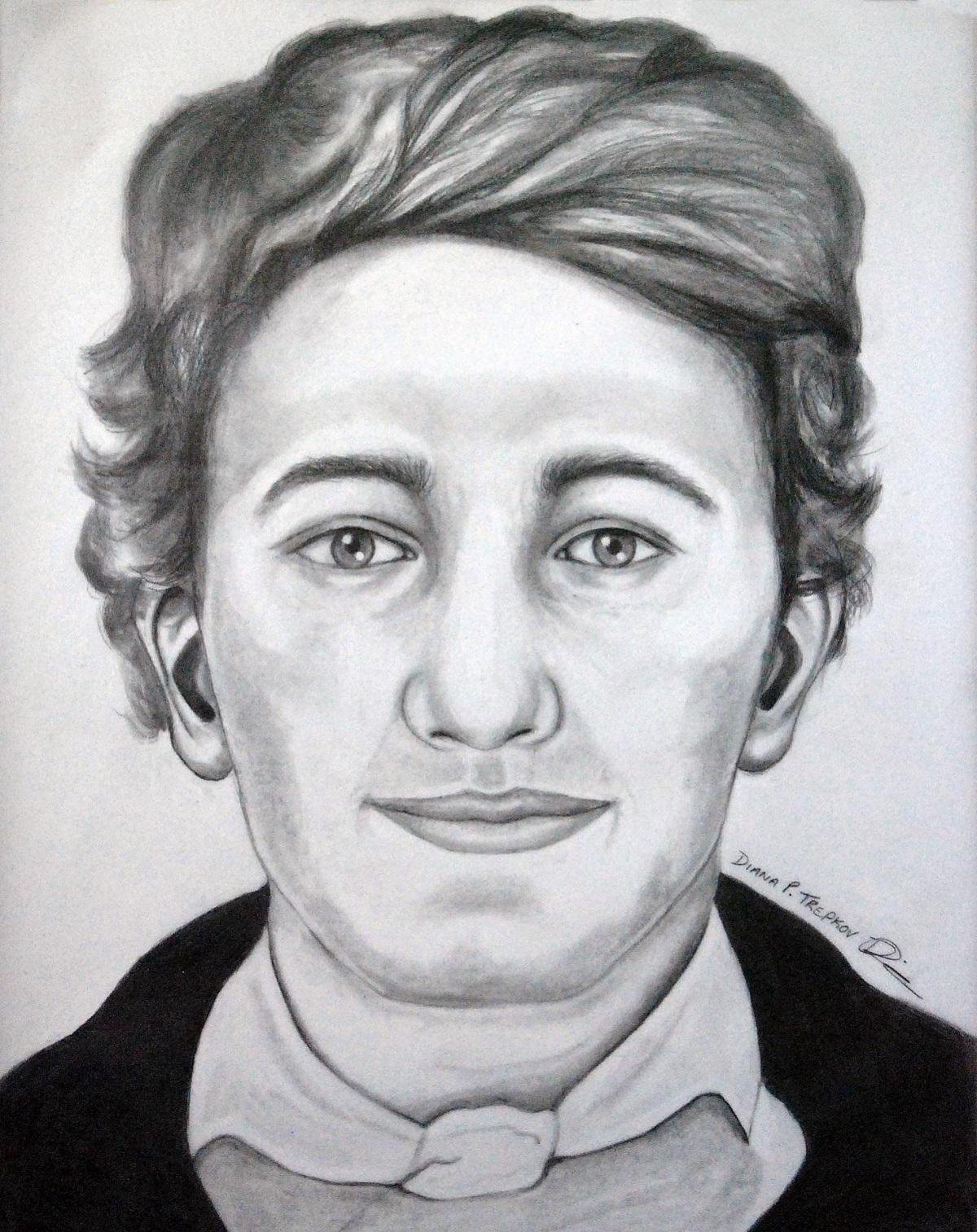
The Franklin expedition left England in 1845 aboard HMS Erebus and HMS Terror to search for the Northwest Passage. Both ships became trapped in Arctic ice near King William Island in what is now Nunavut, Canada. After nearly two years stuck in the ice, 105 surviving crew members abandoned the vessels in April 1848 and began a desperate journey south on foot, dragging sledges and boats across the frozen landscape. None survived.
Human remains linked to the expedition have been found on King William Island and the nearby Adelaide Peninsula since the nineteenth century. For decades, many of these remains remained unidentified.
A research team led by anthropologists at the University of Waterloo used DNA extracted from archaeological tooth and bone samples, then compared the results with DNA donated by living descendants of Franklin crew members. The program began in 2013 and has steadily produced results as researchers tracked down family lines and collected samples.
Three newly identified sailors, William Orren, an Able Seaman, David Young, a Boy 1st Class, and John Bridgens, a Subordinate Officers’ Steward, were all members of HMS Erebus. Their remains were recovered at Erebus Bay, a key archaeological area on the southwest coast of King William Island.


Erebus Bay has long been central to Franklin research because several major expedition sites are located there, including the so-called “boat places,” where crew members left behind boats mounted on sledges along with personal belongings and other equipment. Archaeologists believe at least 21 men died at or near these locations during the failed escape.
The DNA comparisons for the three men produced exact matches, with a genetic distance of zero between archaeological samples and descendant DNA. This result strongly supports a shared maternal or paternal ancestor and confirms the identities of the remains.
The fourth identification solved a much older mystery. Researchers confirmed the identity of skeletal remains found about 130 kilometers away on the Adelaide Peninsula as Harry Peglar, Captain of the Foretop aboard HMS Terror. His case had been debated since 1859, when searchers found a body carrying his papers and seaman’s certificate, but dressed in clothing inconsistent with his naval rank.
Those documents later became known as the “Peglar Papers,” one of the few written records recovered from the expedition. The papers include poetry and notes believed to describe parts of the crew’s final months.
Unlike the previously identified remains of James Fitzjames, captain of HMS Erebus, which showed evidence of cannibalism, the newly identified sailors showed no signs of butchery or cannibalistic processing. This suggests different circumstances of death among crew members during the final stages of the escape.
The study also connected the expedition to the present. One of the living DNA donors, BBC journalist Rich Preston, was identified as a descendant of John Bridgens.
Researchers say more discoveries are possible if additional descendants come forward with genealogical records and DNA samples. Each new identification helps reconstruct the last movements of the Franklin crew and adds human detail to a tragedy that has remained unresolved since the mid-nineteenth century.
The findings were published in Journal of Archaeological Science: Reports and Polar Record.
Publication: Stenton, D. R., Fratpietro, S., Gorsalitz, K., & Park, R. W. (2026). DNA identifications of three 1845 Franklin expedition sailors from HMS Erebus. Journal of Archaeological Science, Reports, (105739), 105739. doi:10.1016/j.jasrep.2026.105739








Disclaimer: This website is a science-focused magazine that welcomes both academic and non-academic audiences. Comments are written by users and may include personal opinions or unverified claims. They do not necessarily reflect the views of our editorial team or rely on scientific evidence.
Comment Policy: We kindly ask all commenters to engage respectfully. Comments that contain offensive, insulting, degrading, discriminatory, or racist content will be automatically removed.