
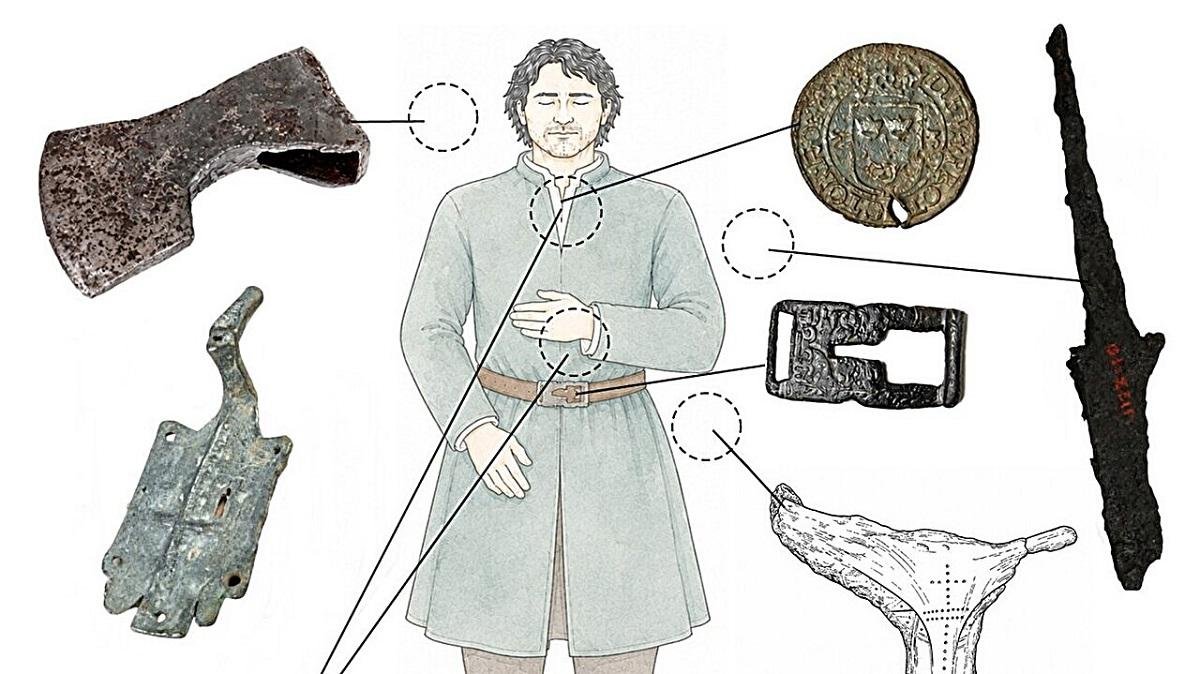
A man buried near Lake Kitka in northern Finland around 400 years ago appears to have lived a far more mobile life than researchers once thought. A new study based on ancient DNA and isotope analysis found close genetic ties between the man and Sámi populations. The findings also point to years spent outside Finland, with Iceland standing out as one possible location.
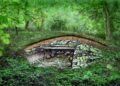
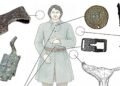
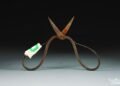
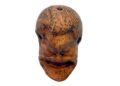
The burial site, found in Kuusamo in the 1970s, dates to the late 1500s or early 1600s. Graves from this period are uncommon in northern Finland. The burial belongs to a time before Finnish settlement reshaped much of the region and before major changes affected Sámi communities and languages.
Researchers extracted DNA from the teeth of the man, who died at about 40 years of age. They compared his genome with ancient and present-day genetic data. The strongest match came from modern and historical Sámi groups.
Within Finland, the closest genetic links appeared among people living in northeastern Lapland. Connections with people from Kuusamo and southern Finland were weaker. Researchers found a similar pattern when they used present-day Sámi DNA in the comparison. The results point toward long-term contact and mixing between Sámi and Finnish populations across northern areas.
The team stressed a separate issue. Genetics offers information about ancestry and population history. Ethnic identity involves culture, history, language, and social life. DNA does not define who belongs to a community.

The Kitka burial has drawn interest from people involved in genetic genealogy. Some hoped ancient DNA might connect the man to living families. The researchers said the data do not support such claims. A person who lived four centuries ago cannot be linked with confidence to named individuals living today.
Chemical traces locked inside the man’s teeth provided another source of evidence. Isotope analysis tracks diet and environment through different stages of life.
His childhood diet included land animals, freshwater fish, and marine foods. Later, marine foods took a larger role. Freshwater fish disappeared from his adult diet. That detail caught the researchers’ attention because freshwater fish formed an important part of food consumption in the Kuusamo region.
The isotope data tied to drinking water suggest a major move during late childhood or adolescence. The geological signal does not match Finland. Researchers instead point toward a volcanic region in the North Atlantic. Iceland fits the evidence best.
Historical records support the idea of movement between northern Fennoscandia and North Atlantic regions during the 1500s. The study suggests the man spent time far from his burial place and arrived in Kuusamo only near the end of his life.
Earlier work proposed that the individual could have been a noaidi, a Sámi ritual specialist. The new study does not dismiss that view. The findings instead present a more detailed picture of a man whose life involved long-distance travel, changing diets, and movement across cultural landscapes.
The research adds new information about a period of major change in northern Finland. Between the 17th and 19th centuries, Finnish agricultural settlement spread across the region. Semi-nomadic Sámi lifeways declined. The Kemi Sámi language disappeared, and many communities became absorbed into the Finnish population.
The Kitka burial offers a rare look at one person from this poorly documented period. Evidence from DNA and isotopes suggests a man with roots in the northeastern borderlands of Finland who spent part of his life far across the North Atlantic before returning north for his final years.

Disclaimer: This website is a science-focused magazine that welcomes both academic and non-academic audiences. Comments are written by users and may include personal opinions or unverified claims. They do not necessarily reflect the views of our editorial team or rely on scientific evidence.
Comment Policy: We kindly ask all commenters to engage respectfully. Comments that contain offensive, insulting, degrading, discriminatory, or racist content will be automatically removed.