
People living along Peru’s Pacific coast traveled long distances and formed connections between distant communities at least 800 years ago, according to a new study published in Nature Communications. The research pushes back the timeline for major coastal migration in the Andes to the thirteenth century, long before the Inca Empire spread across the region.
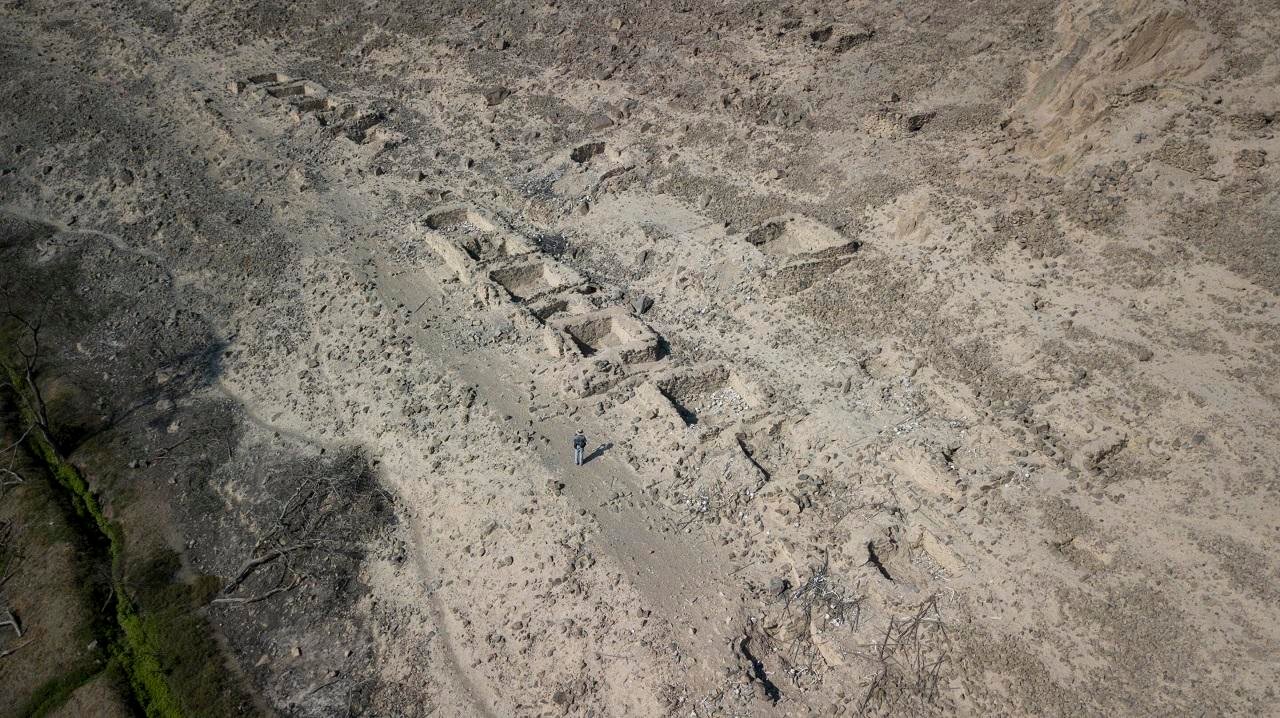
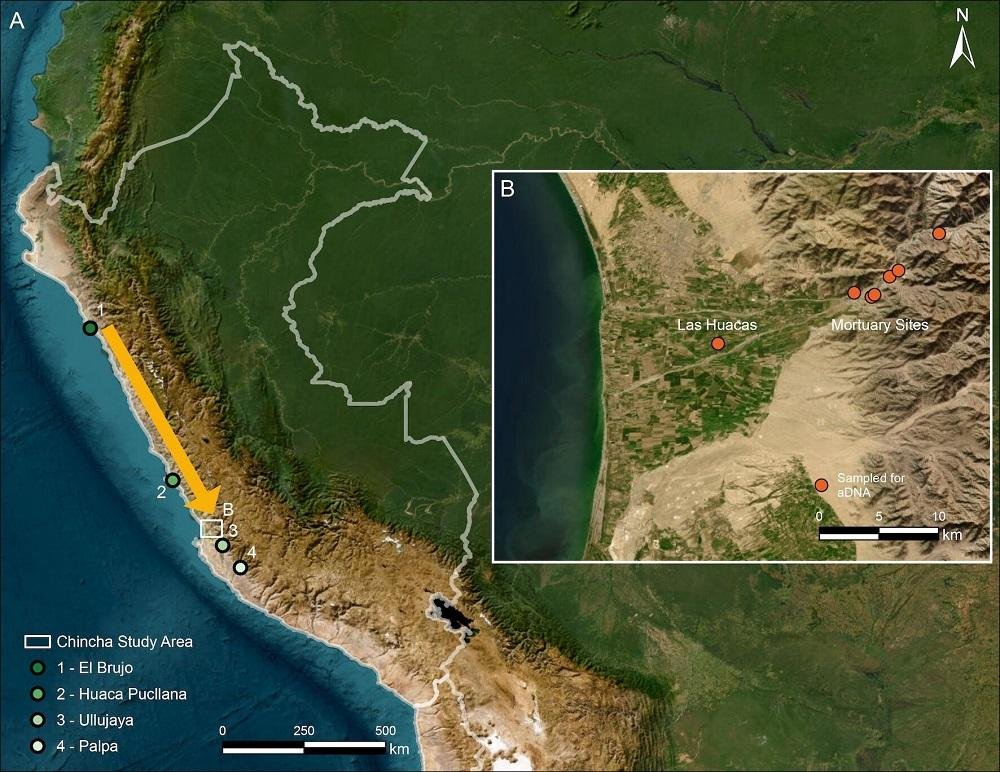
An international team studied ancient DNA from 21 people buried in the Chincha Valley in southern Peru. Genome data showed ancestry linked to Peru’s north coast, more than 700 kilometers away. Early migrants carried almost entirely northern ancestry, which suggests groups arrived in the valley before mixing with nearby populations.
Later generations showed genetic links with people from neighboring coastal regions. Researchers think intermarriage between coastal communities continued for centuries, including during the Spanish Colonial period.
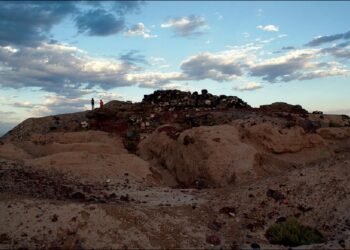
The Chincha Valley belonged to the Chincha Kingdom between the thirteenth and fifteenth centuries. The kingdom later became part of the Inca Empire. Archaeologists have long viewed many pre-Inca coastal societies as more isolated from one another. The new findings point to regular movement and contact between distant groups before Inca expansion.
Researchers combined ancient DNA with archaeological evidence and radiocarbon dating. Coastal dating often creates problems because seafood-rich diets affect radiocarbon results. Marine foods contain older carbon, which shifts burial dates. To improve accuracy, the team built a Bayesian model using family relationships from DNA data and estimates of marine food consumption.

The dates showed northern migrants had already reached the Chincha Valley by the thirteenth century CE. The same population stayed in the region for at least 200 years.
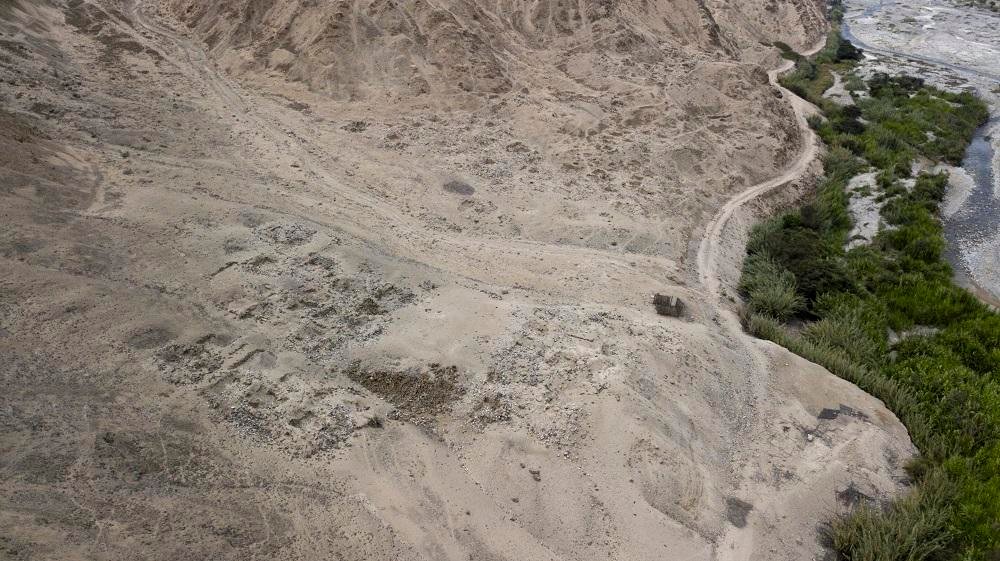
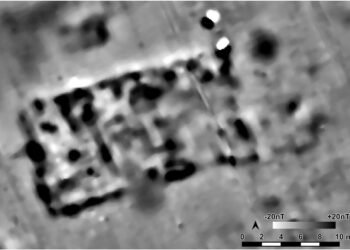
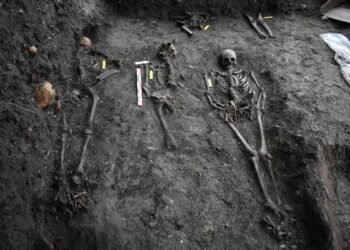
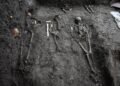
Burial customs tied these migrants to Peru’s north coast. Several individuals had modified skulls, shaped during infancy with boards or bindings. Archaeologists also found skulls covered with red pigment after death and human vertebrae threaded onto reed sticks. Similar practices appear in earlier north coast burials, which suggests migrants carried cultural traditions with them after moving south.
The study also identified a burial containing close relatives. Genetic evidence pointed to consanguineous endogamy, where close biological relatives had children together. Researchers think such unions helped families keep control over land, labor, and other resources inside kin-based groups known as ayllus or parcialidades.
All sampled individuals carried some degree of northern ancestry. Researchers see this as evidence for long-term continuity inside the Chincha Valley. Cultural traditions linked to the north coast survived across generations even after intermarriage with neighboring groups.
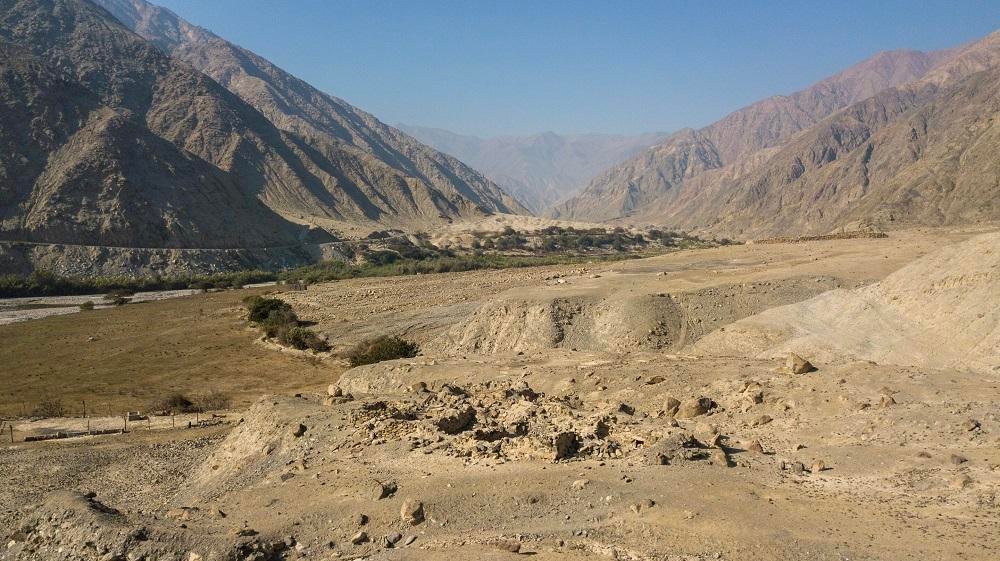
Several factors may explain why people moved south along the coast. Climate instability likely placed pressure on coastal communities. Expansion by the Chimú state in northern Peru may have pushed migration as well. Access to seabird guano, used as fertilizer in Andean agriculture, may have attracted people to new areas.
The findings show coastal societies in ancient Peru maintained broad social and family networks centuries before the Inca Empire absorbed the region. Ancient communities along the Pacific coast moved, married, traded, and shared customs across large distances, shaping the social landscape later encountered by Inca rulers.


Disclaimer: This website is a science-focused magazine that welcomes both academic and non-academic audiences. Comments are written by users and may include personal opinions or unverified claims. They do not necessarily reflect the views of our editorial team or rely on scientific evidence.
Comment Policy: We kindly ask all commenters to engage respectfully. Comments that contain offensive, insulting, degrading, discriminatory, or racist content will be automatically removed.